M Venkaiah Naidu appeals people to call off agitation over Jallikattu
Taking exception to the attack on the NDA government over the issue, he alleged that the bull-taming sport suffered setbacks during the previous UPA rule.
By PTI | Updated:

HYDERABAD: Stressing that the Centre and Tamil Nadu governments are "sensitive" towards the culture and ethos of the state, Union Minister M Venkaiah Naidu today appealed to those agitating on the Jallikattu issue to give up their stir as steps have been taken to address their concerns.
Taking exception to the attack on the NDA government over the issue, he alleged that the bull-taming sport suffered setbacks during the previous UPA rule.
"I appeal them to give up their agitation. The Centre and the state, we are sensitive to the ethos. Steps have been taken. The matter is being heard in the Supreme Court," Naidu told reporters here on the sidelines of a meeting of Geospatial World Forum.
Asserting that the Centre and state governments are alive to the situation, he urged the protesters to call off their stir.
"What else can be done... That will be kept in mind. The matter should rest there," he said.
Referring to the criticism of NDA government and Prime Minister Narendra Modi by some opposition parties on the issue, he wondered what mistake was committed by the NDA regime.
If at all there was any mistake in the issue, the Congress and DMK, who were coalition partners during the UPA government, should take the primary responsibility, he said.
Recalling the sequence of events vis-a-vis Jallikattu, Naidu said Modi was not the Prime Minister in 2006 when the sport was banned.
The use of bulls was banned during the UPA rule when Congress leader Jairam Ramesh was Environment minister in 2011, he said.
Jallikattu and bullock-cart races were allowed in 2016 during the present NDA government, Naidu said.
Taking exception to the attack on the NDA government over the issue, he alleged that the bull-taming sport suffered setbacks during the previous UPA rule.
"I appeal them to give up their agitation. The Centre and the state, we are sensitive to the ethos. Steps have been taken. The matter is being heard in the Supreme Court," Naidu told reporters here on the sidelines of a meeting of Geospatial World Forum.
Asserting that the Centre and state governments are alive to the situation, he urged the protesters to call off their stir.
"What else can be done... That will be kept in mind. The matter should rest there," he said.
Referring to the criticism of NDA government and Prime Minister Narendra Modi by some opposition parties on the issue, he wondered what mistake was committed by the NDA regime.
ADVERTISEMENT
If at all there was any mistake in the issue, the Congress and DMK, who were coalition partners during the UPA government, should take the primary responsibility, he said.
Recalling the sequence of events vis-a-vis Jallikattu, Naidu said Modi was not the Prime Minister in 2006 when the sport was banned.
The use of bulls was banned during the UPA rule when Congress leader Jairam Ramesh was Environment minister in 2011, he said.
Jallikattu and bullock-cart races were allowed in 2016 during the present NDA government, Naidu said.
Download
The Economic Times Business News App for the Latest News in Business, Sensex, Stock Market Updates & More.
The Economic Times Business News App for the Latest News in Business, Sensex, Stock Market Updates & More.
Download
The Economic Times News App for Quarterly Results, Latest News in ITR, Business, Share Market, Live Sensex News & More.
The Economic Times News App for Quarterly Results, Latest News in ITR, Business, Share Market, Live Sensex News & More.
Related Articles
 "People importing from Russia are objecting to us for importing from Russia," says Venkaiah Naidu on US tariffs2025-08-10T00:55:02Z
- Despite NTR's cajoling, Venkaiah Naidu Garu stayed with BJP & helped it grow in Andhra Pradesh2024-07-01T00:30:00Z
- "Consider him my true comrade who was tested in fire of Emergency": PM Modi hails Venkaiah Naidu in his virtual address2024-06-30T08:54:28Z
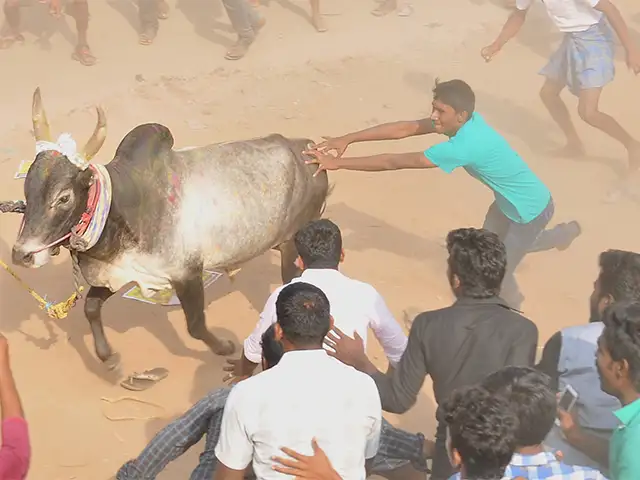
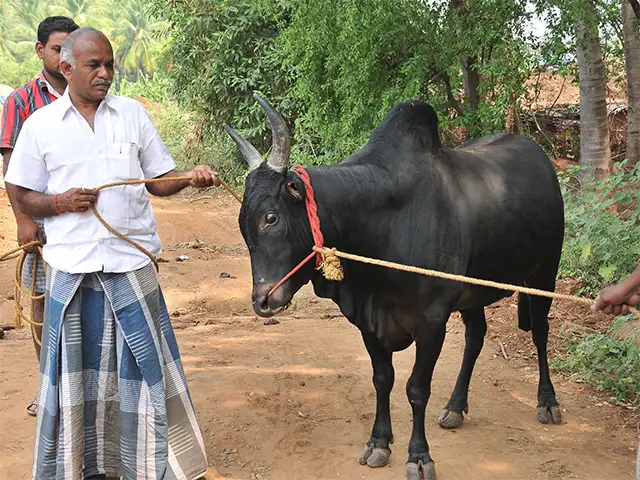
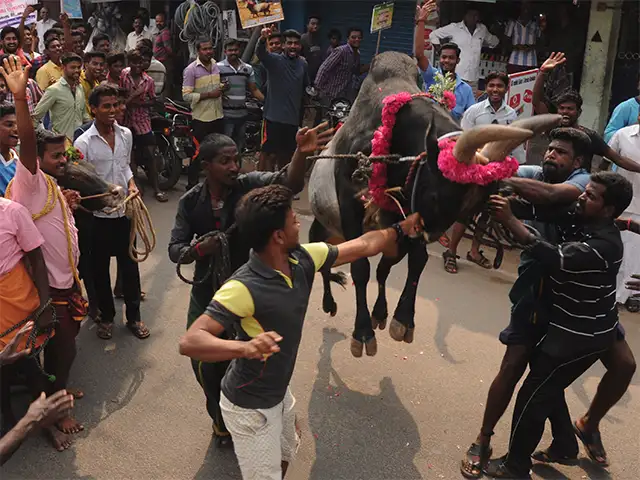
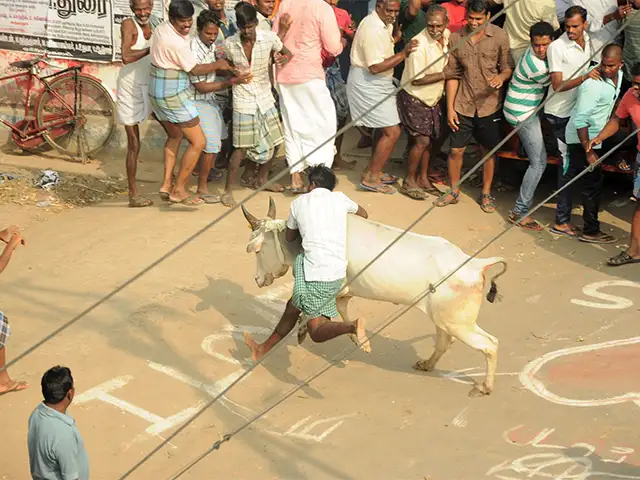
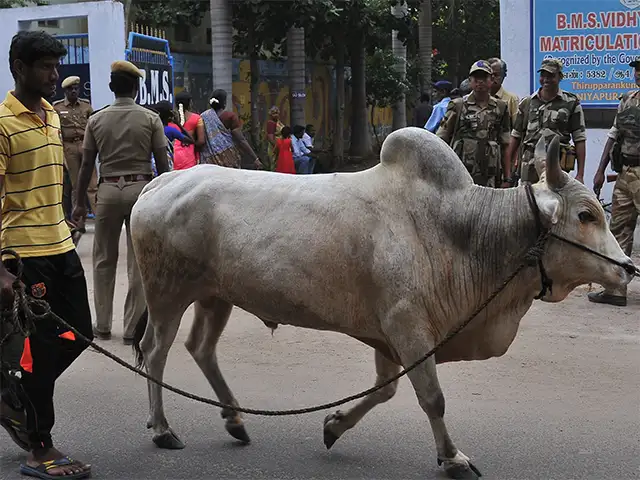
It has spawned an economy of its own in rural parts of the state that has far-reaching implications.
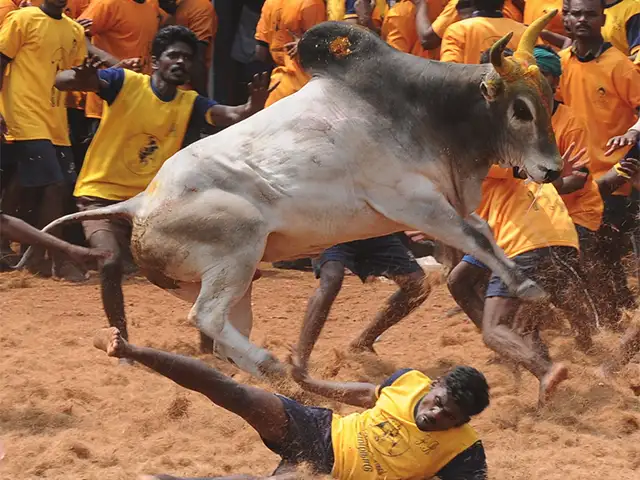
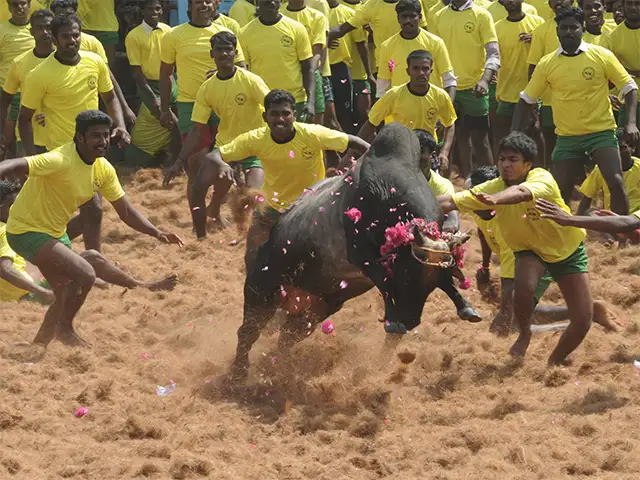
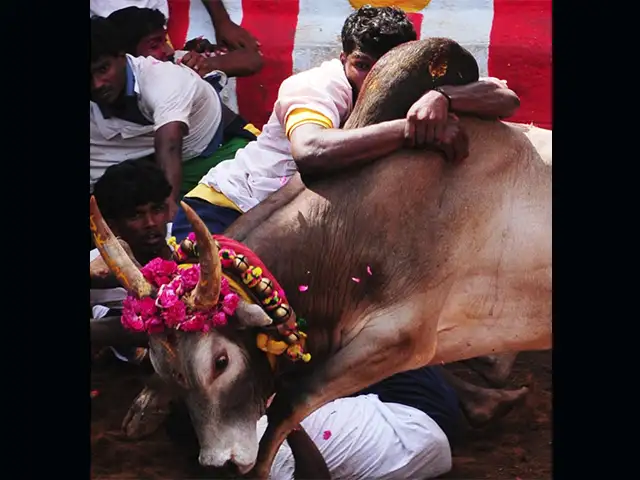
Below are the ways the economy and business of Jallikattu works:

ADVERTISEMENT


