Parliament passes Maternity Benefit Bill to provide 26-weeks paid leave, crèche in office
However, a woman with two or more children will get only 12 weeks. In case a woman adopts a child below three months, she will be given 12 weeks leave.
By Rakesh Mohan Chaturvedi, ET Bureau | Updated:

ThinkStock Photos
NEW DELHI: Eloquent speeches on the rights of women notwithstanding, the Lok Sabha had just 53 MPs, including 11 women members, when the Maternity Benefit (Amendment) Bill, 2016, came up for discussion in the House on Thursday.
Once the President gives his assent to the Maternity Benefit (Amendment) Bill, 2016, working women in all establishments- public and private will be entitled to 26 weeks of maternity leave.
However, a woman with two or more children will get only 12 weeks of leave. In case a woman adopts a child below three months, she will be given 12 weeks leave from the date the child is handed over to her.
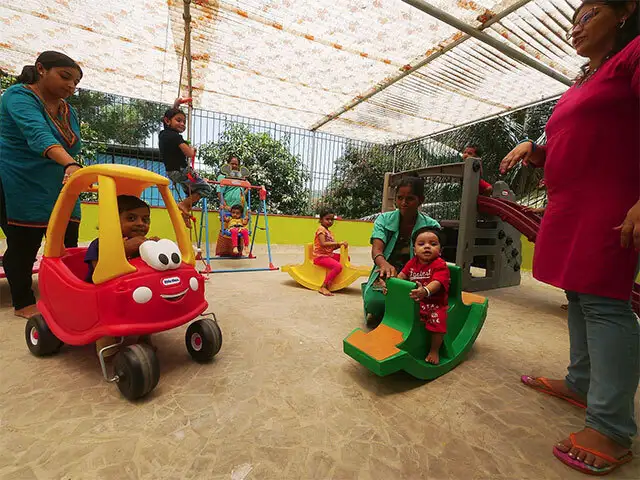
All establishments with 50 or more employees will also have to provide crèches once the bill becomes law. NGOs and women’s rights organisations have been pressing for passage of this amendment bill for a long time.

Text: Agencies
The Government's passing of the Maternity Benefit (Amendment) Bill, 2016 is a step aimed at benefitting the 1.9 million women in the organised sector, as well as increasing the strength of the working women force.
The Government is of the view that the maternal care to the child during early childhood is crucial for growth and development of the child.
Take a look at how things changed for new and expectant mothers, with the passing of this Bill.
Once the President gives his assent to the Maternity Benefit (Amendment) Bill, 2016, working women in all establishments- public and private will be entitled to 26 weeks of maternity leave.
The Maternity Benefit Amendment Bill, 2016, will pave way for a healthy & secure mother and a well-nourished child.… https://t.co/NRbqHWUvkZ
— Ministry of WCD (@MinistryWCD) 1489064488000However, a woman with two or more children will get only 12 weeks of leave. In case a woman adopts a child below three months, she will be given 12 weeks leave from the date the child is handed over to her.
All establishments with 50 or more employees will also have to provide crèches once the bill becomes law. NGOs and women’s rights organisations have been pressing for passage of this amendment bill for a long time.
Text: Agencies
The Government's passing of the Maternity Benefit (Amendment) Bill, 2016 is a step aimed at benefitting the 1.9 million women in the organised sector, as well as increasing the strength of the working women force.
The Government is of the view that the maternal care to the child during early childhood is crucial for growth and development of the child.
Take a look at how things changed for new and expectant mothers, with the passing of this Bill.





Labour and Employment Minister Bandaru Dattatreya moved the bill for consideration and passage in the Lower House in the post-lunch session when only 53 members were present in the House. They included 8 women MPs from the Opposition and 3 from the treasury benches.
ADVERTISEMENT
Sushmita Dev (Congress) and Thagata Sathpathy (BJD) were among the members who participated in the debate that took place before the bill was passed. The bill has already been passed by the Rajya Sabha. It seeks to amend the Maternity Benefits Act that provides for 12 weeks of maternity leave.
Passage of the Maternity Benefit Amendment Bill in the Lok Sabha is a landmark moment in our efforts towards women-led development.
— Narendra Modi (@narendramodi) 1489127915000The bill has been pending in Parliament for long. The Rajya Sabha passed the Bill last August. Union ministers like Maneka Gandhi had fielded queries on social media from women waiting patiently for passage of this bill.
On Thursday, Maneka hailed the passage of the bill, saying: “I am very, very happy that we have made history today. This will help thousands of women and produce much healthier children. We have been working on it for a long time.”
Download
The Economic Times Business News App for the Latest News in Business, Sensex, Stock Market Updates & More.
The Economic Times Business News App for the Latest News in Business, Sensex, Stock Market Updates & More.
Download
The Economic Times News App for Quarterly Results, Latest News in ITR, Business, Share Market, Live Sensex News & More.
The Economic Times News App for Quarterly Results, Latest News in ITR, Business, Share Market, Live Sensex News & More.
 Consumer Protectiom Bill, Maternity Benefit Bill, GST may be cleared in this Budget session

