Isro successfully launches its monster rocket GSLV Mk III
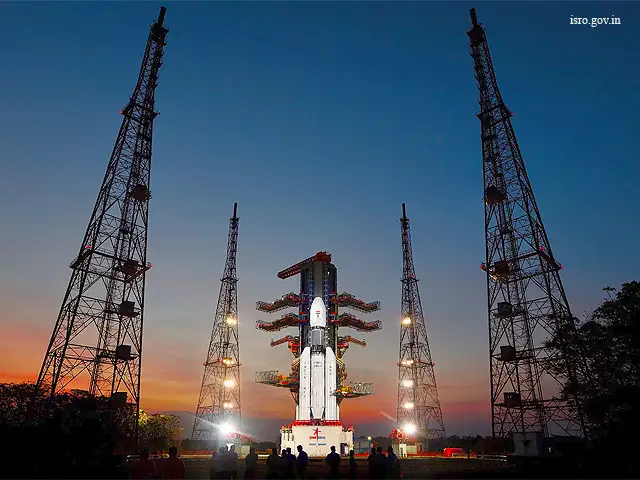
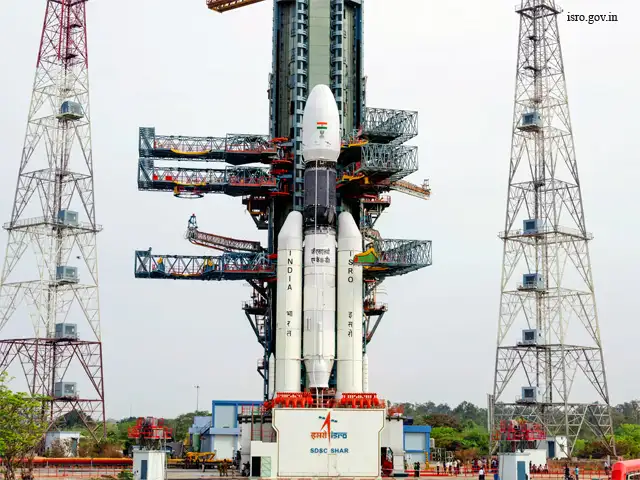
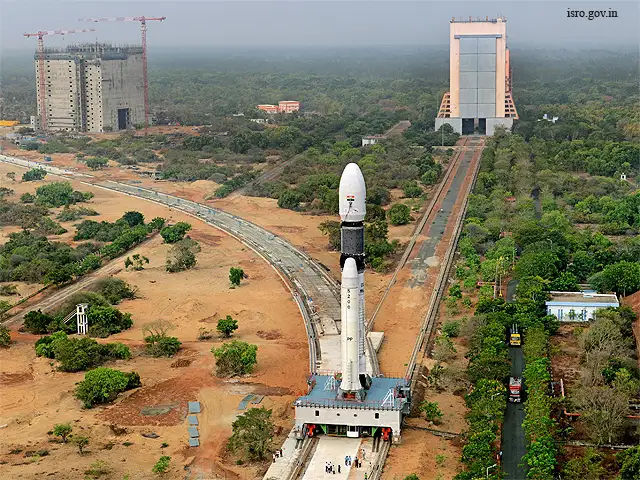
The rocket that was as heavy as 200 full-grown Asian elephants, or equivalent to the weight of five fully-loaded Boeing Jumbo Jets, was launched Sriharikota.
By ET Online | Updated:

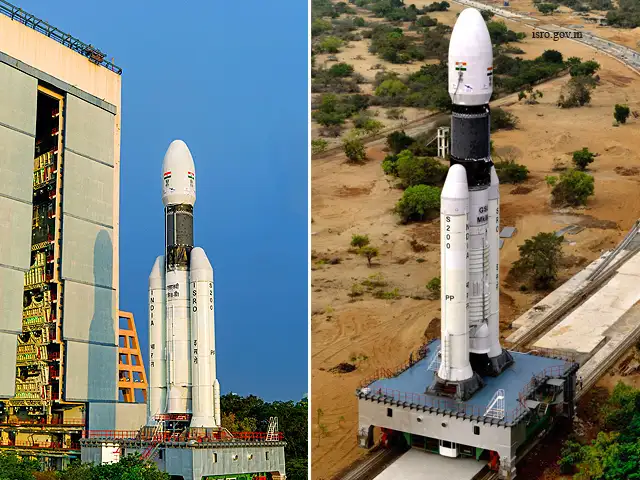
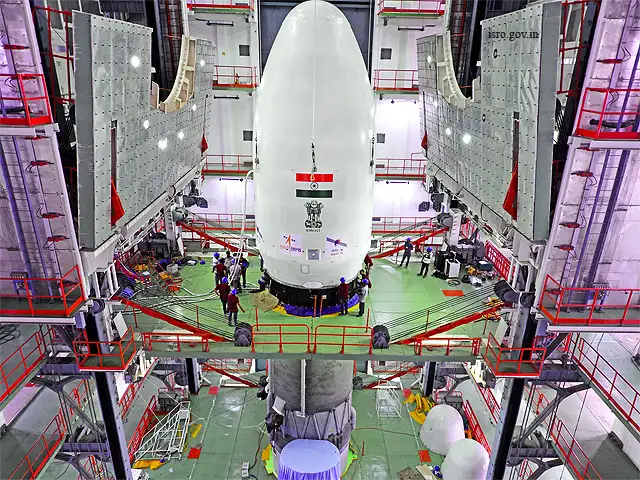
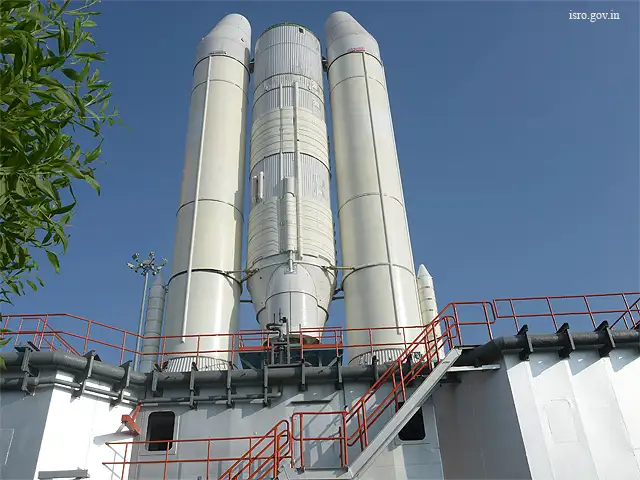
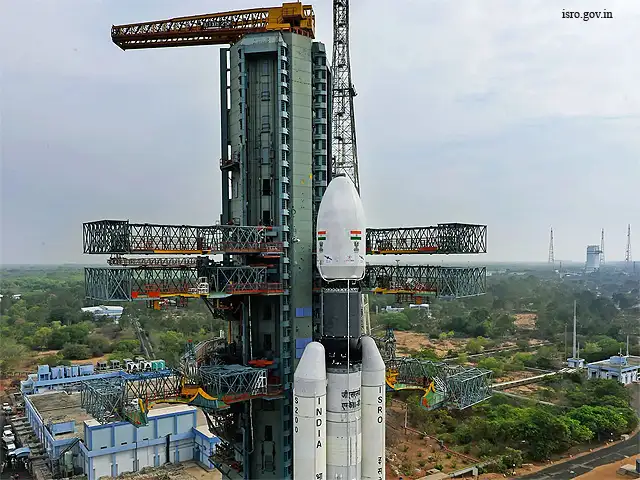
Indian Space Research Organisation, today, launched its monster rocket, Geosynchronous Satellite Launch Vehicle Mark III ( GSLV Mk III), with 3,136 kg communication satellite GSAT-19 from the spaceport of Sriharikota, in Andhra Pradesh. The launch will give India self-reliance in delivering large payloads and also prepare the country for its attempt to put astronauts into space.
Here are some facts that you might not have known about the rocket:
1. The GSLV MkIII-D1 carried payloads of up to 4,000 kg into the Geosynchronous Transfer Orbit (GTO) and 10,000 kg into the Low Earth Orbit. The rocket was developed for 15 years at a cost of around Rs 300 crore.
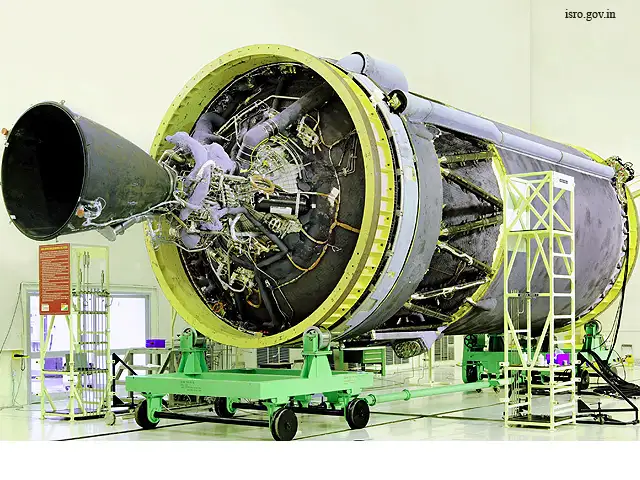
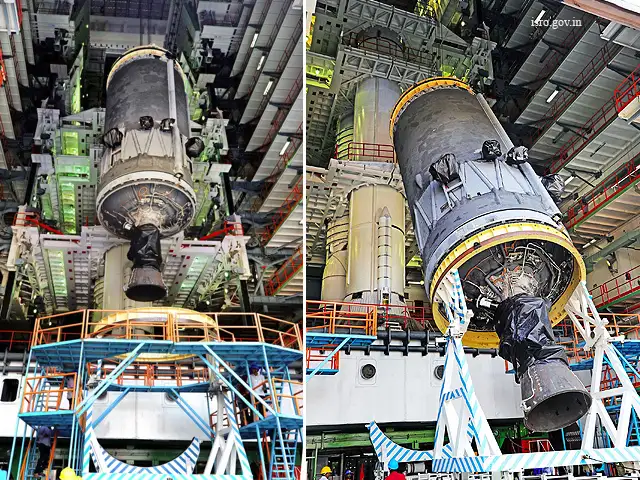
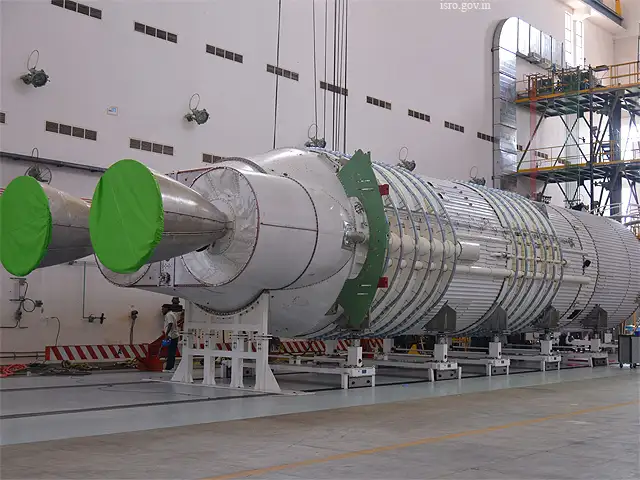
2. The GSLV Mk III D1 was a three-stage vehicle with indigenous cryogenic upper stage engine designed to carry heavier communication satellites into the Geosynchronous Transfer Orbit (GTO).
3. The GSLV MkIII, which was earlier known as Launch Vehicle Mark-III or LMV Mark III, could be India’s first vehicle to ferry people into space.
4. The rocket’s main and bigger cryogenic engine was developed by space scientists indigenously. It will help India get a greater share of the multi-billion dollar global space market and reduce dependency on international launching vehicles.
5. GSAT-19 is be powered for the first time with indigenously-made Lithium-ion batteries. These batteries have been made so that India's self-reliance quotient can increase. In addition, similar batteries can then be used to power electric vehicles like cars and buses.
6. The 43.43 metre tall, 640 ton rocket, will, just over 16 minutes into its flight, sling the GSAT-19 at its intended orbit at an altitude of 179 km.
7. The satellite, which has a life span of 10 years, also features certain advanced spacecraft technologies including miniaturised heat pipe, a fibre optic gyro, micro electro-mechanical systems (MEMS) accelerometer, Ku-band TTC transponder, as well an indigenous lithium-ion battery.
Here are some facts that you might not have known about the rocket:
1. The GSLV MkIII-D1 carried payloads of up to 4,000 kg into the Geosynchronous Transfer Orbit (GTO) and 10,000 kg into the Low Earth Orbit. The rocket was developed for 15 years at a cost of around Rs 300 crore.
2. The GSLV Mk III D1 was a three-stage vehicle with indigenous cryogenic upper stage engine designed to carry heavier communication satellites into the Geosynchronous Transfer Orbit (GTO).
3. The GSLV MkIII, which was earlier known as Launch Vehicle Mark-III or LMV Mark III, could be India’s first vehicle to ferry people into space.
4. The rocket’s main and bigger cryogenic engine was developed by space scientists indigenously. It will help India get a greater share of the multi-billion dollar global space market and reduce dependency on international launching vehicles.
ADVERTISEMENT
5. GSAT-19 is be powered for the first time with indigenously-made Lithium-ion batteries. These batteries have been made so that India's self-reliance quotient can increase. In addition, similar batteries can then be used to power electric vehicles like cars and buses.
6. The 43.43 metre tall, 640 ton rocket, will, just over 16 minutes into its flight, sling the GSAT-19 at its intended orbit at an altitude of 179 km.
7. The satellite, which has a life span of 10 years, also features certain advanced spacecraft technologies including miniaturised heat pipe, a fibre optic gyro, micro electro-mechanical systems (MEMS) accelerometer, Ku-band TTC transponder, as well an indigenous lithium-ion battery.
Download
The Economic Times Business News App for the Latest News in Business, Sensex, Stock Market Updates & More.
The Economic Times Business News App for the Latest News in Business, Sensex, Stock Market Updates & More.
Download
The Economic Times News App for Quarterly Results, Latest News in ITR, Business, Share Market, Live Sensex News & More.
The Economic Times News App for Quarterly Results, Latest News in ITR, Business, Share Market, Live Sensex News & More.
Related Articles
 Missed JEE Advanced by 2 marks, now ISRO scientist: Meerut youth who studied on YouTube without costly coaching will help power India’s space programme2026-06-21T03:41:33Z
- In 1981, when ISRO carried its APPLE on bullock cart for just Rs 150, the world laughed; Today, the same story is hailed as a masterstroke of innovation2026-06-19T04:42:15Z
- He once scored 51 marks in Maths, now owns a space company worth $1.1 billion. Meet 35-year-old rocket man who gave up ISRO job2026-06-17T05:52:25Z

ADVERTISEMENT


