View: Is ban on Jallikattu a case of misplaced activism?
NGOs and rights activists have asserted that bulls are 'tortured' and have drawn comparisons with Spanish bull-fighting, this is far from reality.
By TNN | Updated:

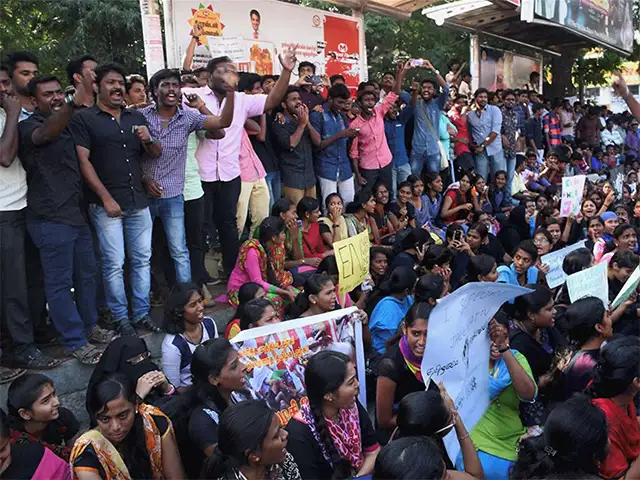
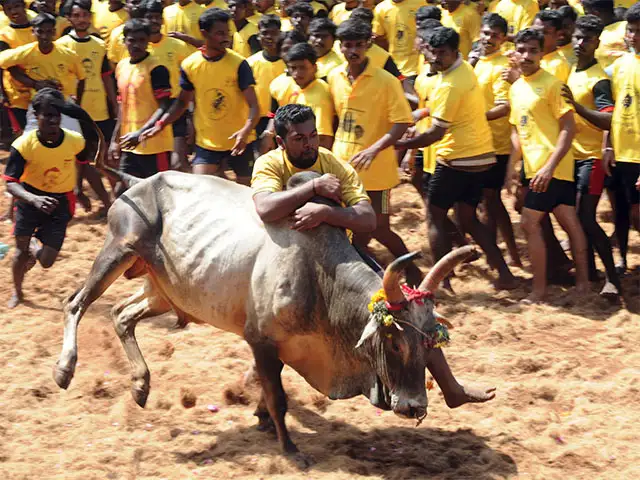
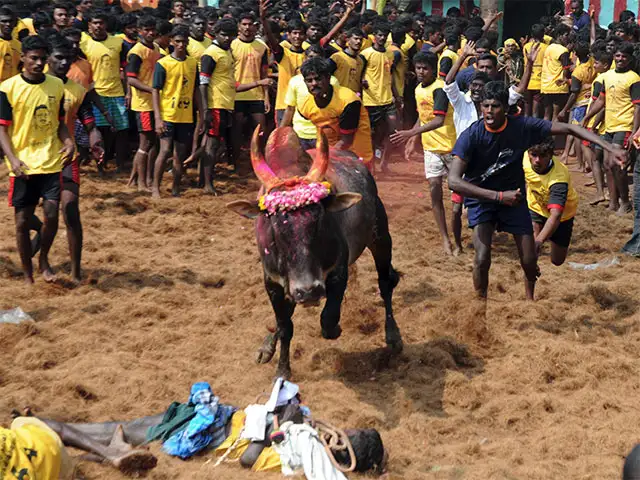
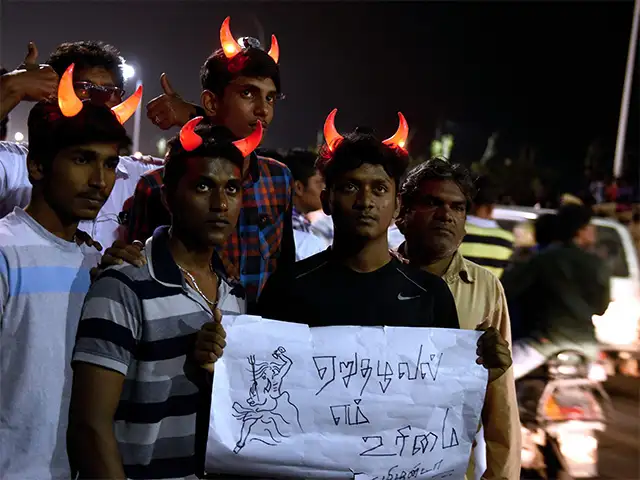
The growing protests against the ban on the bull-taming sport of jallikattu in Tamil Nadu shed light on yet another case of misplaced animal rights and judicial activism. In 2014, the Supreme Court had banned jallikattu on the ground that bulls could not be allowed as performing animals. However, jallikattu is an age-old tradition in Tamil Nadu and continues to enjoy significant popularity. It is intrinsically linked to the rural-agrarian economy of the state where only the best bulls from indigenous species are reared for jallikattu.
While NGOs and animal rights activists have asserted that bulls are ‘tortured’ in jallikattu and have drawn comparisons with Spanish bull-fighting, this is far from reality. In fact, jallikattu is an event where the best bulls are displayed and the ones that win are sought for breeding by farmers. Thus, there’s no question of harming the bulls as they serve an important economic and cultural function. In that sense, jallikattu plays a significant part in preserving and propagating native cattle breeds in Tamil Nadu.
Also read: Jallikattu protests spread; What is fuelling the fire
The argument that engaging the bulls in sport itself is cruelty doesn’t cut ice either. Agriculture in Tamil Nadu is getting mechanised and farmers cannot afford to keep bulls simply as pets. Would animal rights activists prefer that the bulls be sold and slaughtered for meat? Besides, the jallikattu ban is hardly enforceable as benign cultural practices enjoying widespread support can’t be curbed through fiat. In fact, the issue has seen Tamil Nadu’s rival political parties – AIADMK and DMK – both oppose the ban.
Chief minister O Panneerselvam has met Prime Minister Narendra Modi to push for an ordinance to allow jallikattu. However, the PM’s office has merely observed that the matter is sub judice as the Supreme Court is currently seized of petitions challenging the Centre’s year-old notification allowing jallikattu.
If BJP wishes to make political inroads in Tamil Nadu it makes sense for the national ruling party to explore the ordinance route on jallikattu, or alternatively to bring an amendment to the original prevention of animal cruelty legislation in the upcoming parliamentary session to allow jallikattu. As far as the Supreme Court is concerned, it must stick to its remit of narrowly interpreting the law. Judicial activism should not morph into social engineering projects. On jallikattu, it would suffice if the apex court regulates the sport rather than prescribe a wholesale ban.
While NGOs and animal rights activists have asserted that bulls are ‘tortured’ in jallikattu and have drawn comparisons with Spanish bull-fighting, this is far from reality. In fact, jallikattu is an event where the best bulls are displayed and the ones that win are sought for breeding by farmers. Thus, there’s no question of harming the bulls as they serve an important economic and cultural function. In that sense, jallikattu plays a significant part in preserving and propagating native cattle breeds in Tamil Nadu.
Also read: Jallikattu protests spread; What is fuelling the fire
The argument that engaging the bulls in sport itself is cruelty doesn’t cut ice either. Agriculture in Tamil Nadu is getting mechanised and farmers cannot afford to keep bulls simply as pets. Would animal rights activists prefer that the bulls be sold and slaughtered for meat? Besides, the jallikattu ban is hardly enforceable as benign cultural practices enjoying widespread support can’t be curbed through fiat. In fact, the issue has seen Tamil Nadu’s rival political parties – AIADMK and DMK – both oppose the ban.
Chief minister O Panneerselvam has met Prime Minister Narendra Modi to push for an ordinance to allow jallikattu. However, the PM’s office has merely observed that the matter is sub judice as the Supreme Court is currently seized of petitions challenging the Centre’s year-old notification allowing jallikattu.
If BJP wishes to make political inroads in Tamil Nadu it makes sense for the national ruling party to explore the ordinance route on jallikattu, or alternatively to bring an amendment to the original prevention of animal cruelty legislation in the upcoming parliamentary session to allow jallikattu. As far as the Supreme Court is concerned, it must stick to its remit of narrowly interpreting the law. Judicial activism should not morph into social engineering projects. On jallikattu, it would suffice if the apex court regulates the sport rather than prescribe a wholesale ban.
Download
The Economic Times Business News App for the Latest News in Business, Sensex, Stock Market Updates & More.
The Economic Times Business News App for the Latest News in Business, Sensex, Stock Market Updates & More.
Download
The Economic Times News App for Quarterly Results, Latest News in ITR, Business, Share Market, Live Sensex News & More.
The Economic Times News App for Quarterly Results, Latest News in ITR, Business, Share Market, Live Sensex News & More.
Related Articles
 AIADMK chief Palaniswami assures Rs 10 lakh relief to tamers who die during Jallikattu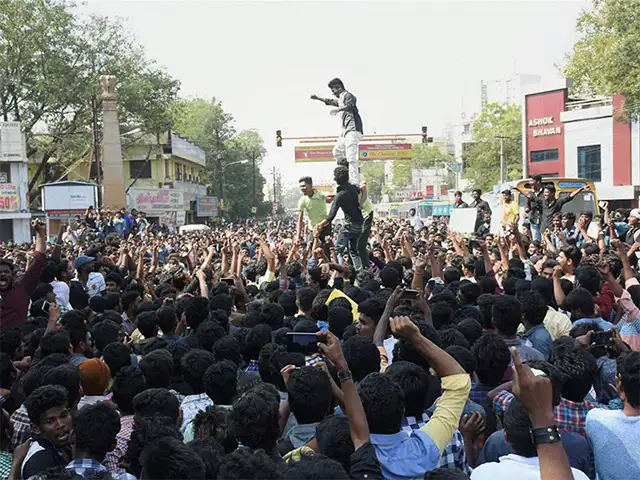
They are protesting against animal welfare organisations like People for the Ethical Treatment of Animals (PETA) on whose petitions the Supreme Court banned the bull-taming sport.

ADVERTISEMENT


