
Invasive catfish thrive in Coimbatore lakes, snapped up by gullible buyer
1/5
Snake like delicacy
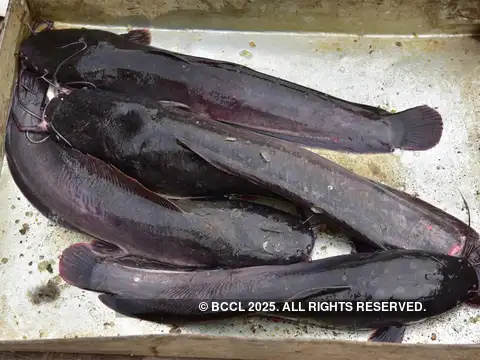
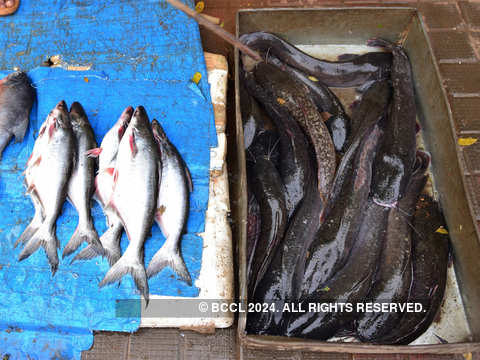
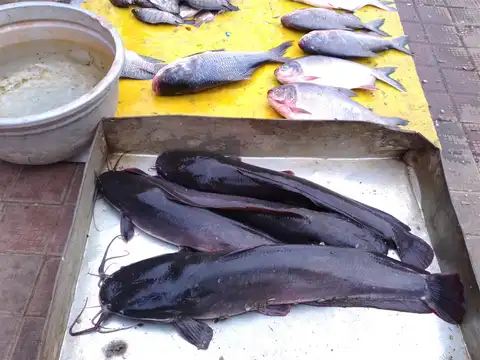
Unlike the other fish displayed by fishmongers at the Ukkadam market in Coimbatore, eel-like African catfish that are kept in trays often jump out and crawl like snakes on the floor. Running behind them, a seller hits them with a stick and put them back in the tray, much to the amusement of buyers.
African catfish (Clarias gariepinus) are found in abundance in all city lakes, including Periyakulam and Valankulam, the sellers said. A kilogram is sold for Rs 80 to Rs 100.
African catfish (Clarias gariepinus) are found in abundance in all city lakes, including Periyakulam and Valankulam, the sellers said. A kilogram is sold for Rs 80 to Rs 100.
2/5
Threat to indigenous varieties
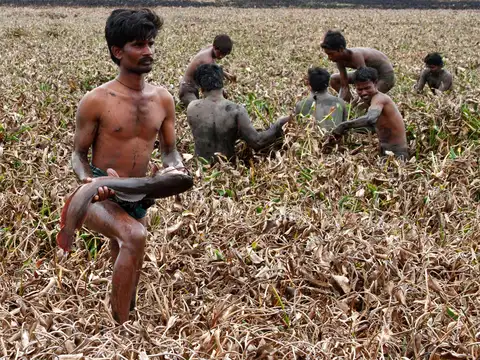
The central government had banned breeding, transportation and sale of the invasive species in 2000.
In 1997, a committee constituted to regulate the introduction of exotic aquatic organisms in India had directed the state governments and Union territories to initiate steps to destroy catfish, also called exotic magur, that were introduced without permission.
After three years, following a high court order, the ban was implemented across the country as the carnivorous fish was posing a threat to indigenous fish varieties.
In 1997, a committee constituted to regulate the introduction of exotic aquatic organisms in India had directed the state governments and Union territories to initiate steps to destroy catfish, also called exotic magur, that were introduced without permission.
After three years, following a high court order, the ban was implemented across the country as the carnivorous fish was posing a threat to indigenous fish varieties.
3/5
The survivors
Compared to native fish species, catfish can survive in any water, even in sludge, an environmentalist said.
“Local fishermen leave catfish hatchlings into lakes as they have a high growth, survival and breeding rate. As they grow faster, the fishers could earn almost double or triple the amount than breeding and selling native varieties. The hatchlings are sourced from Andhra Pradesh,” he said.
“Local fishermen leave catfish hatchlings into lakes as they have a high growth, survival and breeding rate. As they grow faster, the fishers could earn almost double or triple the amount than breeding and selling native varieties. The hatchlings are sourced from Andhra Pradesh,” he said.
Amazon Top Deals
POWERED BY

Crompton Ozone 75 Litres Desert Air Cooler for home | Large & Easy Clean Ice Chamber | 4-Way Air Deflection | High Density Honeycomb Pads | Everlast Pump | Auto Fill| 3 Year Brand Warranty
₹9,798Buy Now43%
OFF

LG 32 L Convection Microwave Oven (MC3286BRUM, Black, 360° Motorised Rotisserie for Bar-be-queing, 301 Auto Cook Menu, Stainless steel cavity, Indian Cuisine, Tandoor Se, Steam Clean & Diet Fry)
₹19,340Buy Now19%
OFF
4/5
The disrupting species
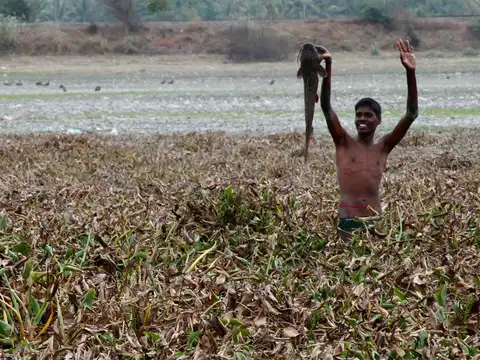
The species disrupts the ecosystem in the lakes and destroys biodiversity, said V Senthil Kumar, assistant professor and head of the Thanjavur Centre for Sustainable Aquaculture. “They eat all kinds of native fish.
Over a period of time, they will become the dominant variety proliferating in water bodies and native fish would have reached the stage of extinction.”
Over a period of time, they will become the dominant variety proliferating in water bodies and native fish would have reached the stage of extinction.”
5/5
Awareness- Only solution
Biosafety measures like installing filters on the inlets should be taken to prevent the fish from moving from one lake to another, Kumar said.
"Fishermen are selling them only because there is a good demand and the input cost is minimum. If people refuse to purchase it, there will be no need for them to breed it. It could be achieved only by creating awareness.”
"Fishermen are selling them only because there is a good demand and the input cost is minimum. If people refuse to purchase it, there will be no need for them to breed it. It could be achieved only by creating awareness.”