Industries seek CISF expertise to thwart terror
During 2014, the CISF lent its consultancy services to reputed names in the country's business domain with clients like IIM Indore, Bajaj Auto Limited etc.
By PTI | Updated:

NEW DELHI: In order to secure their business premises and large workforce against potential security threats, India Inc. is increasingly investing in professional anti-terror consultancy provided by CISF, with such demands from the business sector witnessing a six-time jump in 2014.
The Central Industrial Security Force (CISF), the premier force that guards vital and strategic installations in the private and public sector across the country, has earned over Rs 1.35 crore by providing its niche and elite security consultancy services in the last year, a six-time jump in terms of money earned as compared to 2013.
The figures assume significance as the CISF had last sent its troops to guard an installation in the private sector during 2010-11 at IT giant Infosys's campus in Mysore, after it was mandated by the government to secure this sector against terror threats in the aftermath of the 2008 Mumbai attacks where terrorists targeted five-star hotels in the western metropolis of India.
"Since 2011, the force has not taken up full-time security duties at any private concern. This may have prompted large industrial and business installations to go for professional and government-approved consultancy services which is only available with CISF," an expert said.
During 2014, the CISF lent its consultancy services to reputed names in the country's business domain with clients like IIM Indore, Bajaj Auto Limited, Aditya Birla Group, Infosys Limited--for its campuses in Hyderabad, Bangalore, Mysore and Pune, the Lucknow bench of the Allahabad High Court, Hyderabad Race Club and the Naya Raipur Development Authority (NRDA) of Chhattisgarh.
"No doubt, we are witnessing an increased number of entities in the private and public sector approach us for providing security consultancy for their premises. This force has been the centre for excellence in this domain by virtue of its charter and mandate. The wing dedicated for this task is addressing all such requests," CISF Director General Arvind Ranjan told PTI.
The DG, officials said, has undertaken an aggressive marketing of this service provided by the force and he makes it a point to go through the fine points of each of the blueprints recommended by the force to the business houses in order to ensure that there is no compromise on quality of suggestions made by the force.
Official records state that while the force used to earn about an average of Rs 20 lakh per annum over the last few years, it earned over Rs 1.35 crore during 2014, the bulk consultancy fee coming in during November-December last year.
"About two dozen requests from industrial houses and others are in the pipeline and they will be provided with the required specialist service soon," officials said.
DG Ranjan said the CISF is enthusiastically lending its support in this domain as these measures are aimed at securing the country's "economic and strategic might."
The force was tasked for providing these services in 1999 by the government.
Under this charter, the CISF helps organisations and work premises to plan and strengthen their fire and anti-terror related mechanisms, crisis management protocols, access control and perimeter security defences, threat perception analysis, application and integration of different security and non-security systems, firewalls against information security loss, generation of internal intelligence, materials and document security.
Once a request is received, specially trained CISF officials tour the premises that are to be secured and later prepare a set of recommendations in this regard to be implemented.
The CISF also undertakes efforts to train the security personnel of the client firm in rendering security duties and using required gadgets.
Some of the past clients of the force in this regard include LNG petronet Limited at Dahej and Kochi, Reliance Refinery in Jamnagar, TISCO Limited, Hero Honda Motors, IIT Chennai, Tata Power and MOIL amongst others.
The Central Industrial Security Force (CISF), the premier force that guards vital and strategic installations in the private and public sector across the country, has earned over Rs 1.35 crore by providing its niche and elite security consultancy services in the last year, a six-time jump in terms of money earned as compared to 2013.
The figures assume significance as the CISF had last sent its troops to guard an installation in the private sector during 2010-11 at IT giant Infosys's campus in Mysore, after it was mandated by the government to secure this sector against terror threats in the aftermath of the 2008 Mumbai attacks where terrorists targeted five-star hotels in the western metropolis of India.
"Since 2011, the force has not taken up full-time security duties at any private concern. This may have prompted large industrial and business installations to go for professional and government-approved consultancy services which is only available with CISF," an expert said.
During 2014, the CISF lent its consultancy services to reputed names in the country's business domain with clients like IIM Indore, Bajaj Auto Limited, Aditya Birla Group, Infosys Limited--for its campuses in Hyderabad, Bangalore, Mysore and Pune, the Lucknow bench of the Allahabad High Court, Hyderabad Race Club and the Naya Raipur Development Authority (NRDA) of Chhattisgarh.
"No doubt, we are witnessing an increased number of entities in the private and public sector approach us for providing security consultancy for their premises. This force has been the centre for excellence in this domain by virtue of its charter and mandate. The wing dedicated for this task is addressing all such requests," CISF Director General Arvind Ranjan told PTI.
ADVERTISEMENT
The DG, officials said, has undertaken an aggressive marketing of this service provided by the force and he makes it a point to go through the fine points of each of the blueprints recommended by the force to the business houses in order to ensure that there is no compromise on quality of suggestions made by the force.
Official records state that while the force used to earn about an average of Rs 20 lakh per annum over the last few years, it earned over Rs 1.35 crore during 2014, the bulk consultancy fee coming in during November-December last year.
"About two dozen requests from industrial houses and others are in the pipeline and they will be provided with the required specialist service soon," officials said.
DG Ranjan said the CISF is enthusiastically lending its support in this domain as these measures are aimed at securing the country's "economic and strategic might."
ADVERTISEMENT
The force was tasked for providing these services in 1999 by the government.
Under this charter, the CISF helps organisations and work premises to plan and strengthen their fire and anti-terror related mechanisms, crisis management protocols, access control and perimeter security defences, threat perception analysis, application and integration of different security and non-security systems, firewalls against information security loss, generation of internal intelligence, materials and document security.
ADVERTISEMENT
Once a request is received, specially trained CISF officials tour the premises that are to be secured and later prepare a set of recommendations in this regard to be implemented.
The CISF also undertakes efforts to train the security personnel of the client firm in rendering security duties and using required gadgets.
Some of the past clients of the force in this regard include LNG petronet Limited at Dahej and Kochi, Reliance Refinery in Jamnagar, TISCO Limited, Hero Honda Motors, IIT Chennai, Tata Power and MOIL amongst others.
Download
The Economic Times Business News App for the Latest News in Business, Sensex, Stock Market Updates & More.
The Economic Times Business News App for the Latest News in Business, Sensex, Stock Market Updates & More.
Download
The Economic Times News App for Quarterly Results, Latest News in ITR, Business, Share Market, Live Sensex News & More.
The Economic Times News App for Quarterly Results, Latest News in ITR, Business, Share Market, Live Sensex News & More.
Related Articles
 CISF gears up for cyber, drone threats as security risks evolve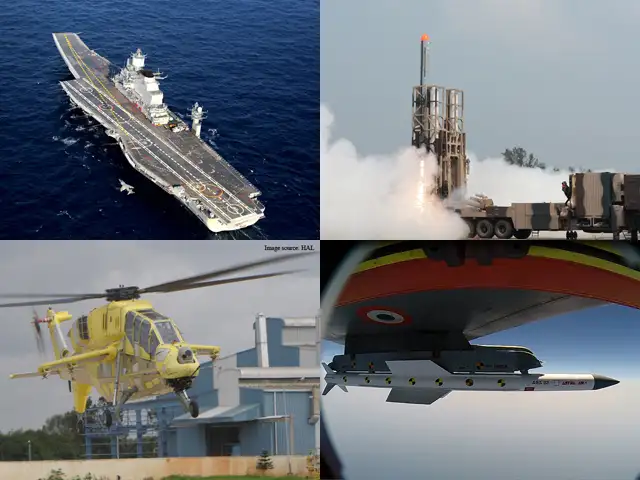
Economictimes.com & Agencies
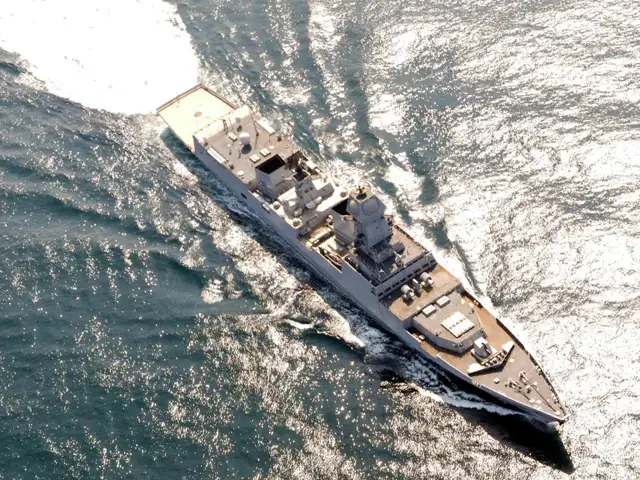
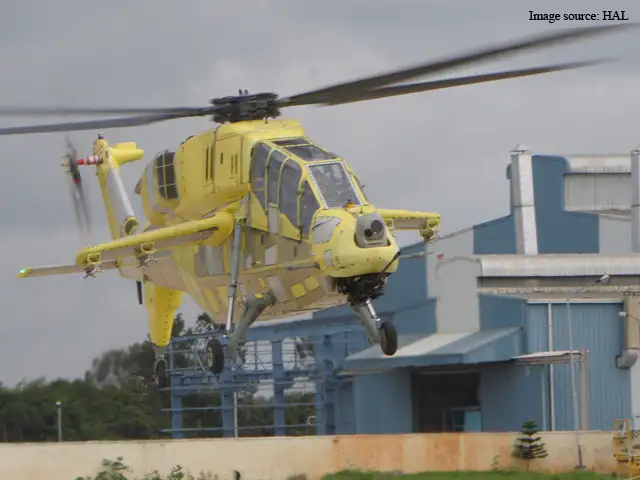
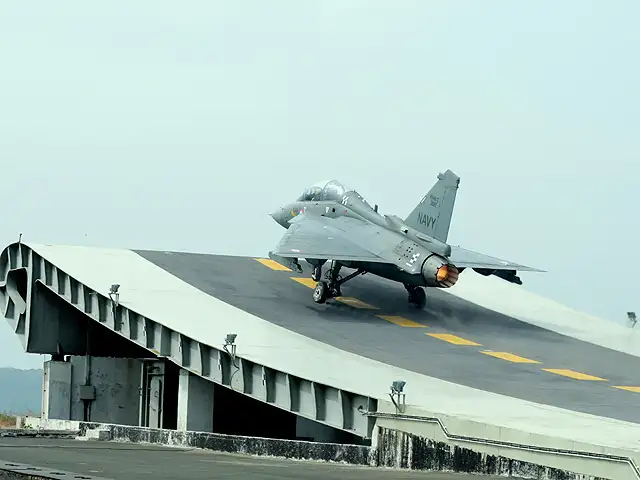
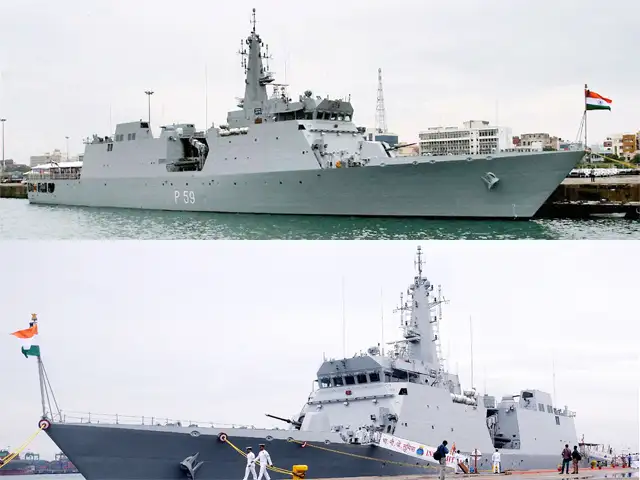
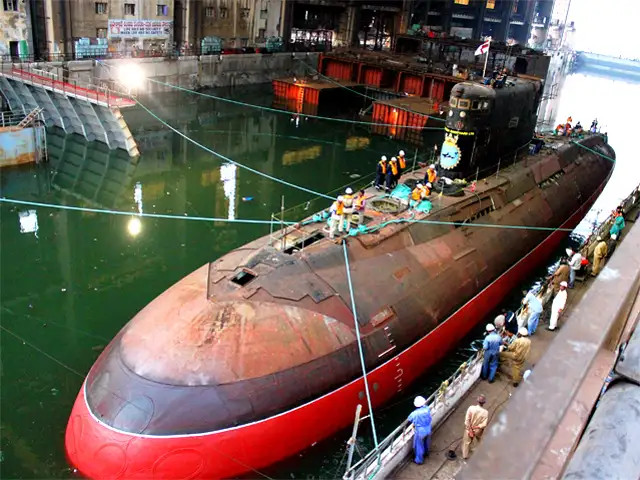
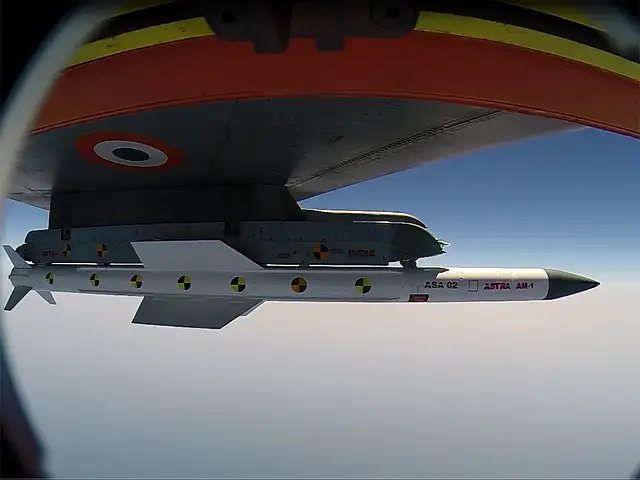
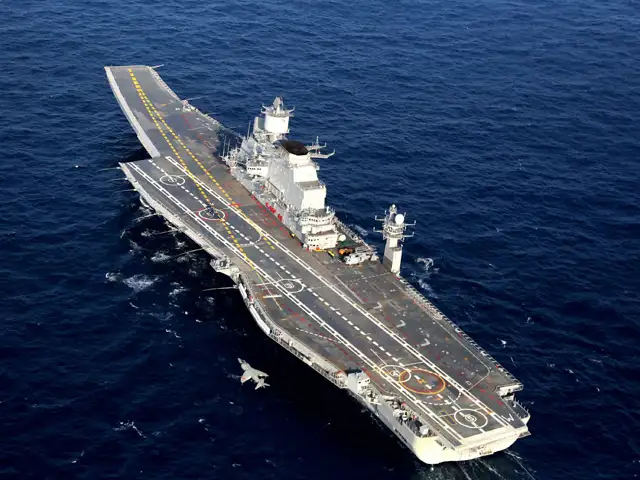
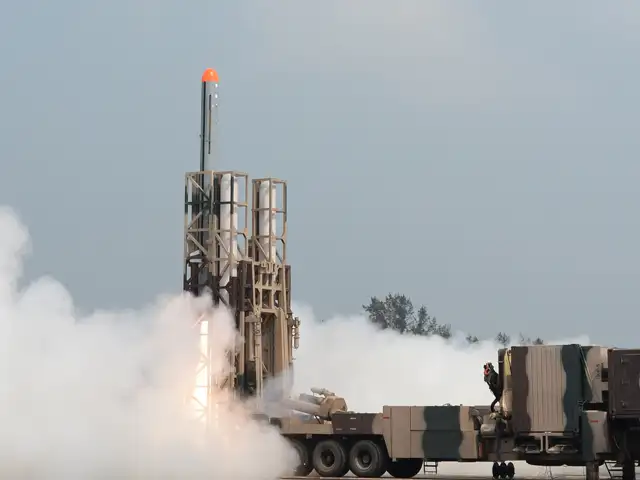
The need to have robust defence capabilities in today's day and age cannot be overstated. India has been aggressively pushing to enhance its ability to deter attacks and up its defence prowess.
2014 saw multiple steps being taken in that direction and India saw many new additions to its defence fleet. We take a look at eight achievements that deserve a special mention:
The need to have robust defence capabilities in today's day and age cannot be overstated. India has been aggressively pushing to enhance its ability to deter attacks and up its defence prowess.
2014 saw multiple steps being taken in that direction and India saw many new additions to its defence fleet. We take a look at eight achievements that deserve a special mention:

ADVERTISEMENT


