India's record satellite launch ramps up space race: Chinese media
China may fast-track the commercialisation of its rocket launches after India's success, state run media quoted Chinese officials as saying.
By PTI | Updated:

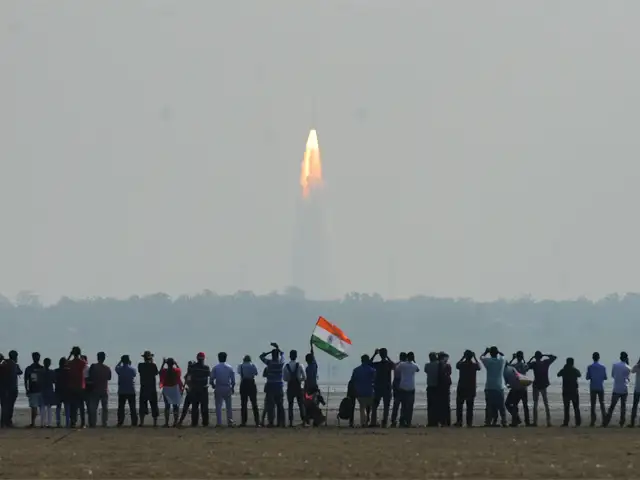
India has done a better job than China in promoting satellite launch technology which could prompt Beijing to fast-track commercialisation of its rocket launches to vie for the world's small satellite market, Chinese officials said today.
"The launch indicated that India can send commercial satellites into space at lower costs, giving the country's competitiveness in the global race for the burgeoning commercial space businesses," Zhang Yonghe, director with the new technology department of the Shanghai Engineering Centre for Microsatellites, said.
China may fast-track the commercialisation of its rocket launches after India's success, Chinese-state run media quoted Chinese officials as saying in a report titled 'India's satellite launch ramps up space race'.
Zhang believes that India did a better job promoting its launch services internationally than China, the report said.
Acknowledging that after reaching Mars ahead of China, India stole the march last week by putting 104 satellites into orbit from a single rocket, Zhang said, "China will likely fast-track the commercialisation of its rocket launches to vie for the world's burgeoning small satellite launch market.
Also Read: As ISRO heralds Space renaissance in India, why our policies need to keep up.
"The Wednesday's launch is India's latest triumph for its space programme"," a Global Times report said.
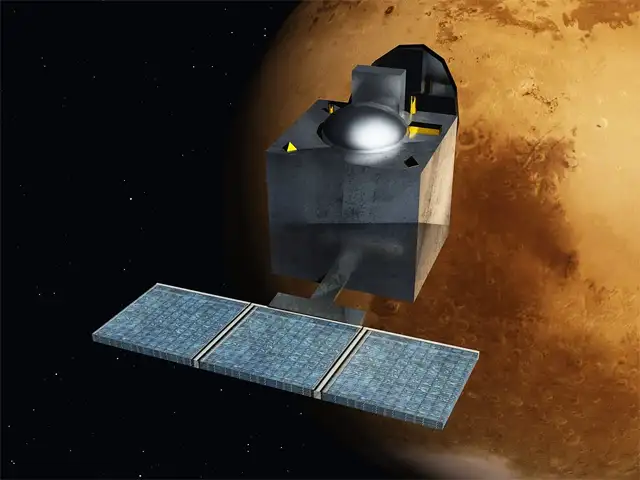
"In 2014, India became the fourth country to successfully send a spacecraft to orbit Mars, signalling a regional rivalry with China which suffered a failure in its Mars mission in 2012," it said.
"Nearly all of its 103 smaller satellites are from other countries including Israel, Kazakhstan, Switzerland and the US," it said.
After Indian Space Research Organisation's successful feat, the daily, part of the ruling Communist Party of China publications, had said the achievement made Indians proud but it sought to belittle the significance saying that its impact is "limited".
While praising the record launch as "India's triumph", today's report also said "with respect to the research and development of both military and commercial rocket launch services, India lags behind China, the US and Russia".
"India cannot match them yet unless it has enough rockets types to fulfil all satellites launches," it quoted Zhang as saying.
Xue Lijun, general manager assistant of Shenzhen Aerospace Dongfanghong Development Ltd said that India's launch on Wednesday is a breakthrough in terms of numbers, but not in technology.
"Technologically speaking, the launch did not have any big difficulties... what [Indian engineers] need to do is to avoid the conflicts among satellites, which involves lots of calculation and data analysis, but is not a tough task," Xue told the daily.
"The 104 satellites are mostly in the same orbit, indicating that India still lacks capabilities of sending multiple satellites into various orbits," the report quoted the "experts" as saying.
"The launch indicated that India can send commercial satellites into space at lower costs, giving the country's competitiveness in the global race for the burgeoning commercial space businesses," Zhang Yonghe, director with the new technology department of the Shanghai Engineering Centre for Microsatellites, said.
China may fast-track the commercialisation of its rocket launches after India's success, Chinese-state run media quoted Chinese officials as saying in a report titled 'India's satellite launch ramps up space race'.
Zhang believes that India did a better job promoting its launch services internationally than China, the report said.
Acknowledging that after reaching Mars ahead of China, India stole the march last week by putting 104 satellites into orbit from a single rocket, Zhang said, "China will likely fast-track the commercialisation of its rocket launches to vie for the world's burgeoning small satellite launch market.
Also Read: As ISRO heralds Space renaissance in India, why our policies need to keep up.
ADVERTISEMENT
"The Wednesday's launch is India's latest triumph for its space programme"," a Global Times report said.
"In 2014, India became the fourth country to successfully send a spacecraft to orbit Mars, signalling a regional rivalry with China which suffered a failure in its Mars mission in 2012," it said.
"Nearly all of its 103 smaller satellites are from other countries including Israel, Kazakhstan, Switzerland and the US," it said.
After Indian Space Research Organisation's successful feat, the daily, part of the ruling Communist Party of China publications, had said the achievement made Indians proud but it sought to belittle the significance saying that its impact is "limited".
ADVERTISEMENT
While praising the record launch as "India's triumph", today's report also said "with respect to the research and development of both military and commercial rocket launch services, India lags behind China, the US and Russia".
"India cannot match them yet unless it has enough rockets types to fulfil all satellites launches," it quoted Zhang as saying.
ADVERTISEMENT
Xue Lijun, general manager assistant of Shenzhen Aerospace Dongfanghong Development Ltd said that India's launch on Wednesday is a breakthrough in terms of numbers, but not in technology.
"Technologically speaking, the launch did not have any big difficulties... what [Indian engineers] need to do is to avoid the conflicts among satellites, which involves lots of calculation and data analysis, but is not a tough task," Xue told the daily.
"The 104 satellites are mostly in the same orbit, indicating that India still lacks capabilities of sending multiple satellites into various orbits," the report quoted the "experts" as saying.
Download
The Economic Times Business News App for the Latest News in Business, Sensex, Stock Market Updates & More.
The Economic Times Business News App for the Latest News in Business, Sensex, Stock Market Updates & More.
Download
The Economic Times News App for Quarterly Results, Latest News in ITR, Business, Share Market, Live Sensex News & More.
The Economic Times News App for Quarterly Results, Latest News in ITR, Business, Share Market, Live Sensex News & More.
Related Articles
 The Japan-India Summit: Strategy maturing into substance2026-06-28T06:16:14Z
- Mann ki Baat: PM Modi highlights India's significant strides in defence, security and self-reliance2026-06-28T06:13:13Z
- Startup founder claims foreign client honoured contract after dropping project internally, compares it to India's "adjust kar lo" culture2026-06-28T06:04:48Z
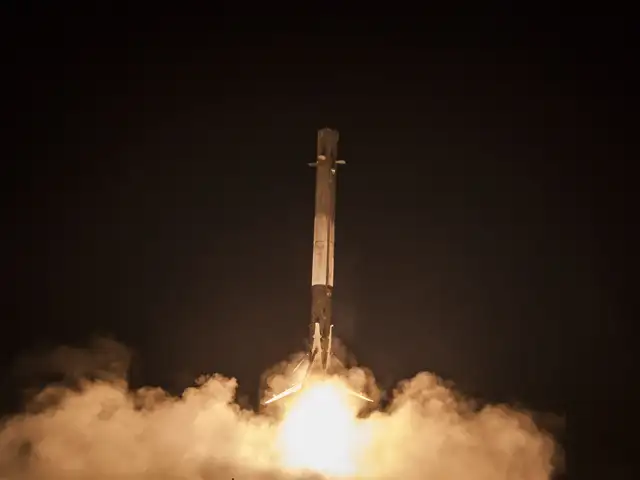
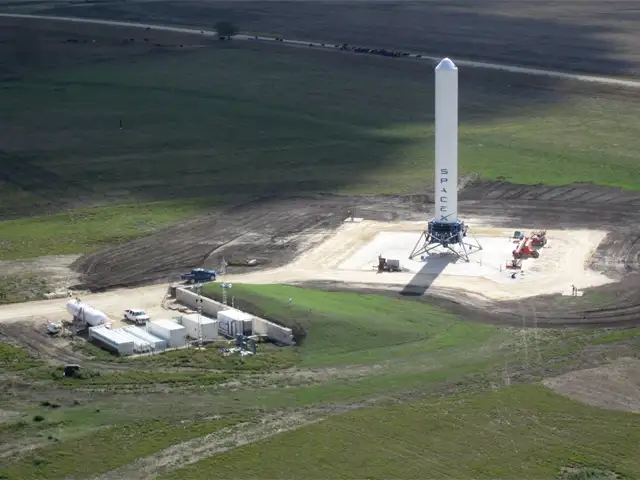
But India's low-cost edge may not remain forever as latest technology developing in the US might reduce costs drastically.

ADVERTISEMENT


