Indian Navy working on policy to allow women on-board warships
As armed forces prepare to showcase "Nari Shakti" at the Republic Day parade on January 26, the Navy is working on a policy to allow women officers on-board warships in the next few years.
By PTI | Updated:

NEW DELHI: As armed forces prepare to showcase " Nari Shakti" at the Republic Day parade on January 26, the Navy is working on a policy to allow women officers on-board warships in the next few years.
"The living conditions in ships are entirely different. So now, we are modifying the ships and designing them as per the conditions required for women officers," Commodore B K Munjal, who is in-charge of the Navy's women contingent at Republic Day parade said.
He said the country will "soon" have women officers fighting shoulder to shoulder with men in every field.
Munjal said higher authorities in the Navy are working on the proposal and a decision should come soon.
"We are looking forward to it and hopefully it should be sorted out soon," he told PTI here.
While all the three wings of the armed forces have women officers on the roll, combat duties are not extended to them.
For the first time in history, all women contingents from the Navy, Air Force and the Army will march down the Rajpath this Republic Day following a suggestion from Prime Minister Narendra Modi himself.
"It was a suggestion by the Prime Minister that we should try and showcase Nari Shakti (women power)," a senior Navy officer said.
The women officers, who have been practicing for nearly a month for hours together, are looking forward to it.
"The experience is great, it is a proud feeling to march on Rajpath. It is the first time for lady officers. I guess we should set the tradition and every year they should march," lieutenant Nandita Bharadwaj said.
Asked whether she would want to go on a ship and serve shoulder to shoulder with men, she said, "Definitely yes. Nowadays all the warships which are coming in Indian Navy, have different provisions and different rooms for lady officers. In the next few years, lady officers will go onboard ships," she said.
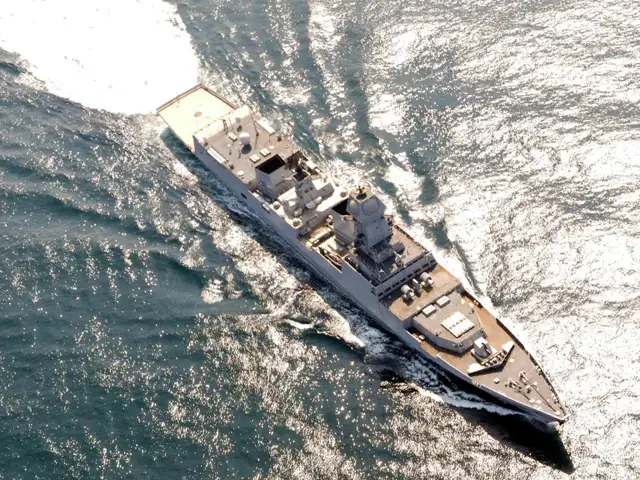
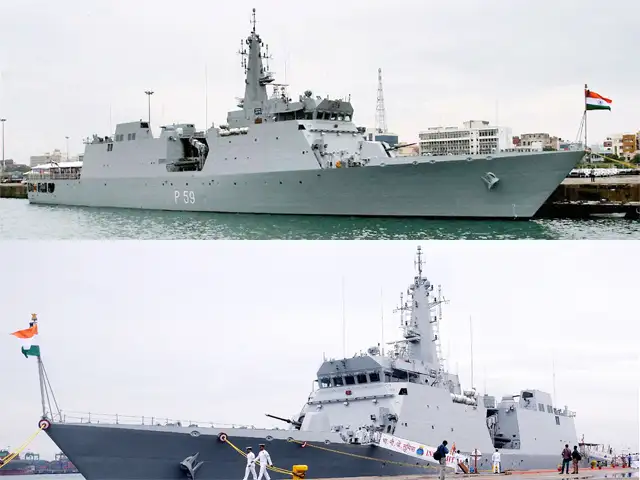
Her views were echoed by Lt Deepika Chaudhary who said the Shivalik Class ships have been designed to accommodate women officers.
"The higher authorities have to decide when they want lady officers to sail," she said.
Originally conceived as a successor to the Talwar-class frigates, the new Shivalik class frigates feature improved stealth and land attacking capabilities.
A total of three ships were built between 2000 and 2010, and all three were in commission by 2012.
On an argument against having women officers or sailors on-board warships being that it involves physical labour, Chaudhary and Bharadwaj shot back saying Indian women have been doing physical work for ages.
The Naval all-women contingent will also have Sub Lieutenant Yamini Dalal, a fourth generation in armed forces.
Her great grandfather fought for India in World War II in North African contingent while her grandfather commanded the Madras Regiment and her father received the Sena Medal for his gallantry in Jammu and Kashmir.
"She is in Navy now. She does not have any brothers. They are two sisters and the family wanted to continue the tradition and hence the elder daughter joined the Navy," Commodore Munjal said.
Also among the contingents are two widows of Navy officers including Sub Lt Sandhya, wife of Commander Kuntal Wadhwa, the chief engineer-designate of INS Kolkata, who was killed in an accident on-board the ship last year in March.
The armed forces have a provision under which wife of an officers gets the opportunity to join the force after clearing written and physical tests.
"The only relaxation we give is of age. The senior-most of the two women officers is 40 years old and the other one is 25," an official said.
"The living conditions in ships are entirely different. So now, we are modifying the ships and designing them as per the conditions required for women officers," Commodore B K Munjal, who is in-charge of the Navy's women contingent at Republic Day parade said.
He said the country will "soon" have women officers fighting shoulder to shoulder with men in every field.
Munjal said higher authorities in the Navy are working on the proposal and a decision should come soon.
"We are looking forward to it and hopefully it should be sorted out soon," he told PTI here.
While all the three wings of the armed forces have women officers on the roll, combat duties are not extended to them.
ADVERTISEMENT
For the first time in history, all women contingents from the Navy, Air Force and the Army will march down the Rajpath this Republic Day following a suggestion from Prime Minister Narendra Modi himself.
"It was a suggestion by the Prime Minister that we should try and showcase Nari Shakti (women power)," a senior Navy officer said.
The women officers, who have been practicing for nearly a month for hours together, are looking forward to it.
"The experience is great, it is a proud feeling to march on Rajpath. It is the first time for lady officers. I guess we should set the tradition and every year they should march," lieutenant Nandita Bharadwaj said.
ADVERTISEMENT
Asked whether she would want to go on a ship and serve shoulder to shoulder with men, she said, "Definitely yes. Nowadays all the warships which are coming in Indian Navy, have different provisions and different rooms for lady officers. In the next few years, lady officers will go onboard ships," she said.
Her views were echoed by Lt Deepika Chaudhary who said the Shivalik Class ships have been designed to accommodate women officers.
ADVERTISEMENT
"The higher authorities have to decide when they want lady officers to sail," she said.
Originally conceived as a successor to the Talwar-class frigates, the new Shivalik class frigates feature improved stealth and land attacking capabilities.
A total of three ships were built between 2000 and 2010, and all three were in commission by 2012.
On an argument against having women officers or sailors on-board warships being that it involves physical labour, Chaudhary and Bharadwaj shot back saying Indian women have been doing physical work for ages.
The Naval all-women contingent will also have Sub Lieutenant Yamini Dalal, a fourth generation in armed forces.
Her great grandfather fought for India in World War II in North African contingent while her grandfather commanded the Madras Regiment and her father received the Sena Medal for his gallantry in Jammu and Kashmir.
"She is in Navy now. She does not have any brothers. They are two sisters and the family wanted to continue the tradition and hence the elder daughter joined the Navy," Commodore Munjal said.
Also among the contingents are two widows of Navy officers including Sub Lt Sandhya, wife of Commander Kuntal Wadhwa, the chief engineer-designate of INS Kolkata, who was killed in an accident on-board the ship last year in March.
The armed forces have a provision under which wife of an officers gets the opportunity to join the force after clearing written and physical tests.
"The only relaxation we give is of age. The senior-most of the two women officers is 40 years old and the other one is 25," an official said.
Download
The Economic Times Business News App for the Latest News in Business, Sensex, Stock Market Updates & More.
The Economic Times Business News App for the Latest News in Business, Sensex, Stock Market Updates & More.
Download
The Economic Times News App for Quarterly Results, Latest News in ITR, Business, Share Market, Live Sensex News & More.
The Economic Times News App for Quarterly Results, Latest News in ITR, Business, Share Market, Live Sensex News & More.
Related Articles
 Desperate India take on Australia in do-or-die Women's T20 World Cup clash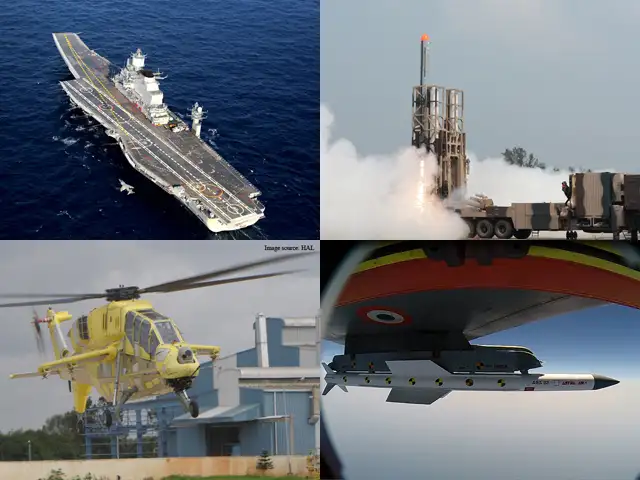
Economictimes.com & Agencies
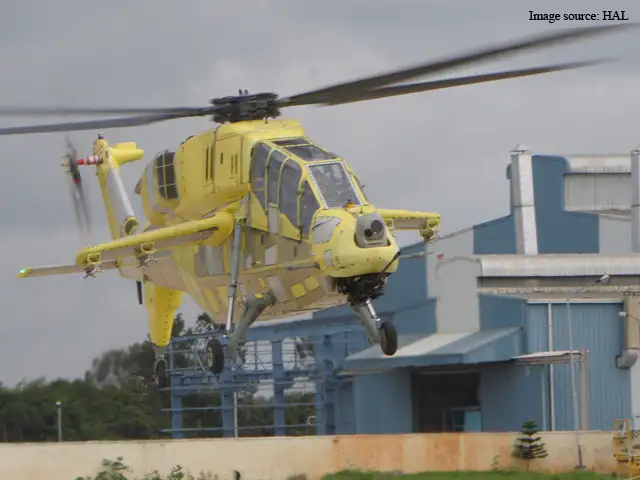
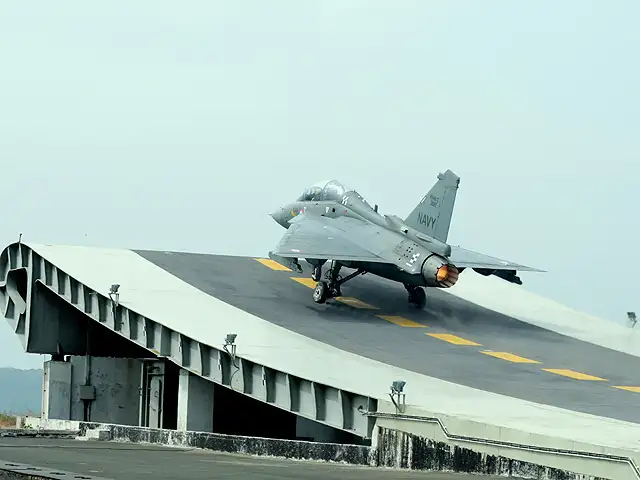
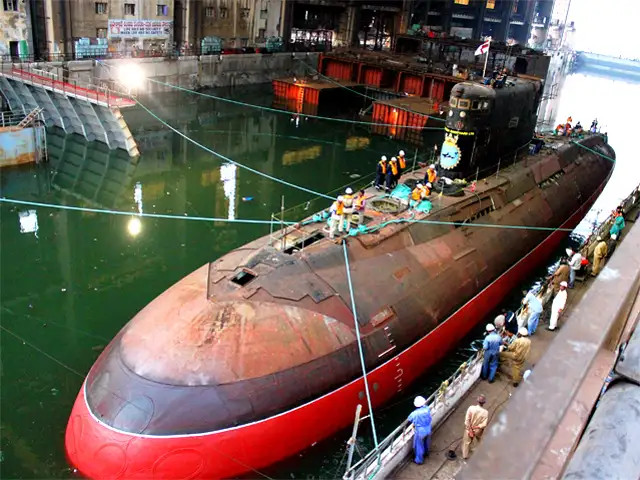
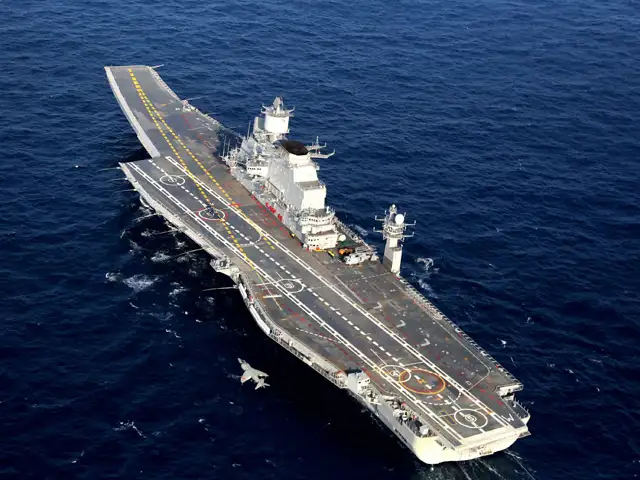
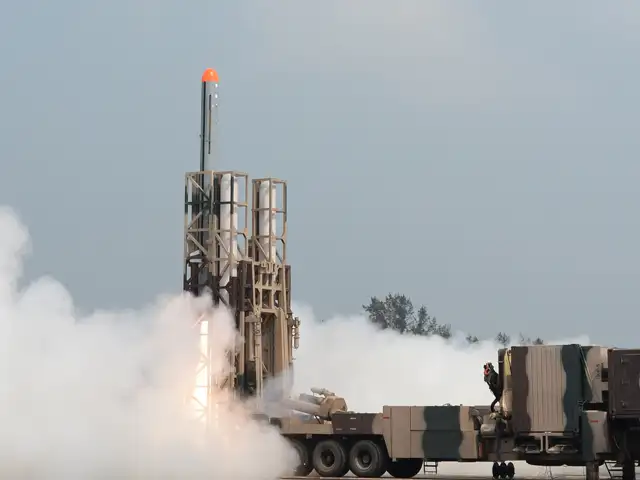
The need to have robust defence capabilities in today's day and age cannot be overstated. India has been aggressively pushing to enhance its ability to deter attacks and up its defence prowess.
2014 saw multiple steps being taken in that direction and India saw many new additions to its defence fleet. We take a look at eight achievements that deserve a special mention:
The need to have robust defence capabilities in today's day and age cannot be overstated. India has been aggressively pushing to enhance its ability to deter attacks and up its defence prowess.
2014 saw multiple steps being taken in that direction and India saw many new additions to its defence fleet. We take a look at eight achievements that deserve a special mention:


ADVERTISEMENT


