India, US to kick off joint production on 4 defence projects
Renewing their expansive defence framework India and the US have decided to kick off joint manufacturing of four relatively modest military products.
By Rajat Pandit, TNN | Updated:

NEW DELHI: Renewing their expansive defence framework for another 10 years, India and the US on Sunday decided to kick off joint manufacturing of four relatively modest military products and explore the development of two more high-end technologies.
The two nations agreed to step up joint combat exercises, maritime security endeavours, intelligence-sharing mechanisms, military exchanges and the like through the framework, which has the key new element of Defence Trade and Technology Initiative (DTTI) to bolster India's fledgling defence-industrial base, as reported by TOI on January 11.
The DTTI will be launched with four aptly-called "pathfinder projects" since India wants to first ascertain how these "not-so-complex technologies" actually materialize on the ground. The Indian defence establishment, after all, is yet to fully shed its long-standing inhibitions about the US being a reliable long-term supplier of top-notch technologies.
The four products to be co-produced are the next-generation Raven unmanned aerial vehicles (UAVs), "roll-on, roll-off" intelligence-gathering and reconnaissance modules for C-130J Super Hercules aircraft, mobile electric hybrid power sources and "uniform integrated protection ensemble increment-2 (chemical, biological warfare protection gear for soldiers)".
The Raven, for instance, is not an advanced spy or combat drone. A hand-launched mini drone, it is used by soldiers in the battlefield to keep tabs on enemy formations within a range of 10km.
The two sides, however, plan to extend its range to 18km and flying endurance to six hours from the existing four hours. Similarly, the 12 C-130Js acquired by India from the US for over $2 billion since 2007 did not have the requisite surveillance modules that they will now get.
Both Obama and Modi promised the DTTI would take the bilateral defence cooperation to a new level altogether with "additional joint projects in the near future". Towards this end, the decision to set up working groups to explore development of aircraft carrier technologies and jet engines is crucial.
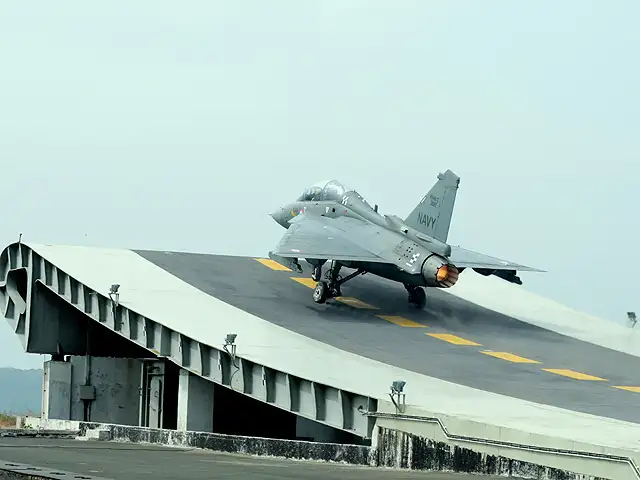
India has miserably flopped to develop the Kaveri engine for its indigenous Tejas light combat aircraft, which is going to be powered by American GE engines for the foreseeable future.
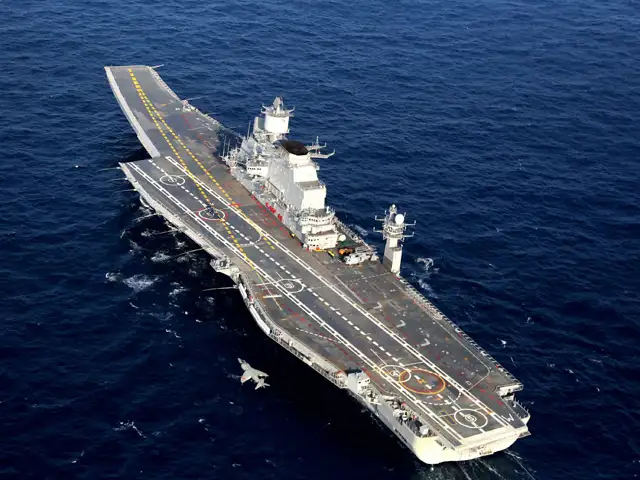
As for aircraft carriers, India is currently constructing the 40,000-tonne INS Vikrant at Cochin Shipyard, as also planning a second, much larger one thereafter. The two sides are likely to collaborate on the electromagnetic aircraft launch systems — which propel fighters into the sky from carrier decks.
The two nations agreed to step up joint combat exercises, maritime security endeavours, intelligence-sharing mechanisms, military exchanges and the like through the framework, which has the key new element of Defence Trade and Technology Initiative (DTTI) to bolster India's fledgling defence-industrial base, as reported by TOI on January 11.
The DTTI will be launched with four aptly-called "pathfinder projects" since India wants to first ascertain how these "not-so-complex technologies" actually materialize on the ground. The Indian defence establishment, after all, is yet to fully shed its long-standing inhibitions about the US being a reliable long-term supplier of top-notch technologies.
The four products to be co-produced are the next-generation Raven unmanned aerial vehicles (UAVs), "roll-on, roll-off" intelligence-gathering and reconnaissance modules for C-130J Super Hercules aircraft, mobile electric hybrid power sources and "uniform integrated protection ensemble increment-2 (chemical, biological warfare protection gear for soldiers)".
The Raven, for instance, is not an advanced spy or combat drone. A hand-launched mini drone, it is used by soldiers in the battlefield to keep tabs on enemy formations within a range of 10km.
The two sides, however, plan to extend its range to 18km and flying endurance to six hours from the existing four hours. Similarly, the 12 C-130Js acquired by India from the US for over $2 billion since 2007 did not have the requisite surveillance modules that they will now get.
ADVERTISEMENT
Both Obama and Modi promised the DTTI would take the bilateral defence cooperation to a new level altogether with "additional joint projects in the near future". Towards this end, the decision to set up working groups to explore development of aircraft carrier technologies and jet engines is crucial.
India has miserably flopped to develop the Kaveri engine for its indigenous Tejas light combat aircraft, which is going to be powered by American GE engines for the foreseeable future.
As for aircraft carriers, India is currently constructing the 40,000-tonne INS Vikrant at Cochin Shipyard, as also planning a second, much larger one thereafter. The two sides are likely to collaborate on the electromagnetic aircraft launch systems — which propel fighters into the sky from carrier decks.
The US has been hard-selling a score of "transformative defence technologies" for co-development and co-production with India under the DTTI, which range from the next-generation of Javelin anti-tank guided missiles (ATGMs) and MH-60 Romeo multi-role helicopters to long-endurance UAVs and 127mm warship guns.
But India has chosen simpler technologies to get the process going. Rejecting the American offer, it has already chosen an initial off-the-shelf purchase of Israeli Spike ATGMs, with 321 launchers and 8,356 missiles, for Rs 3,200 crore.
Download
The Economic Times Business News App for the Latest News in Business, Sensex, Stock Market Updates & More.
The Economic Times Business News App for the Latest News in Business, Sensex, Stock Market Updates & More.
Download
The Economic Times News App for Quarterly Results, Latest News in ITR, Business, Share Market, Live Sensex News & More.
The Economic Times News App for Quarterly Results, Latest News in ITR, Business, Share Market, Live Sensex News & More.
Economictimes.com & Agencies
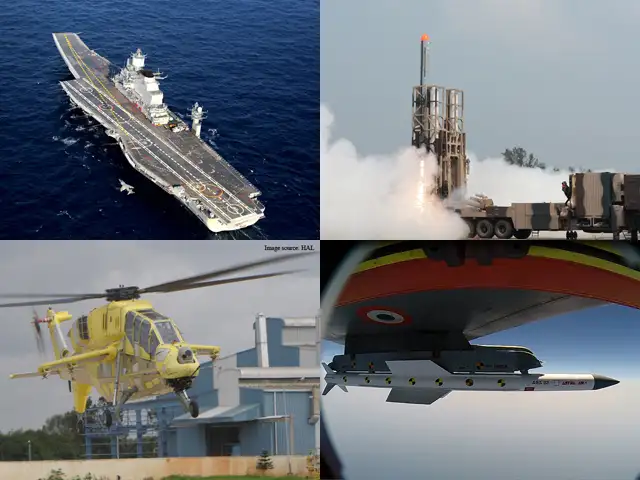
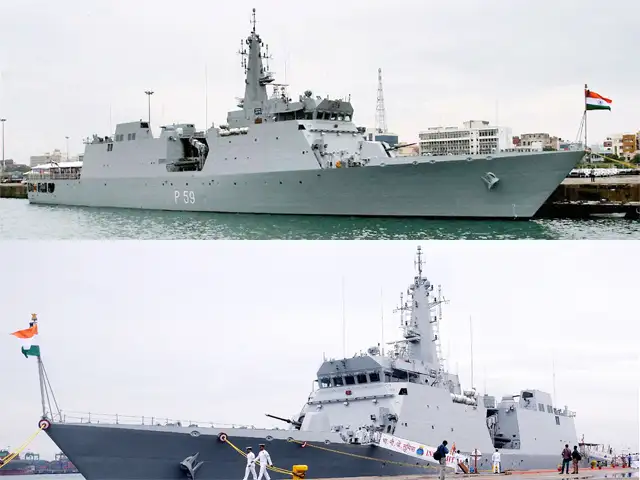
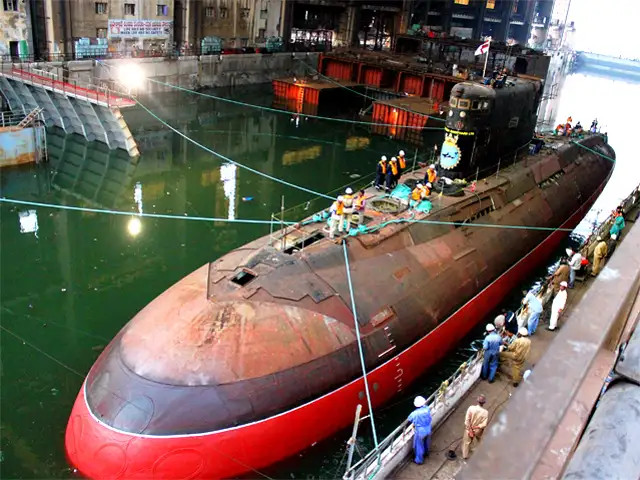
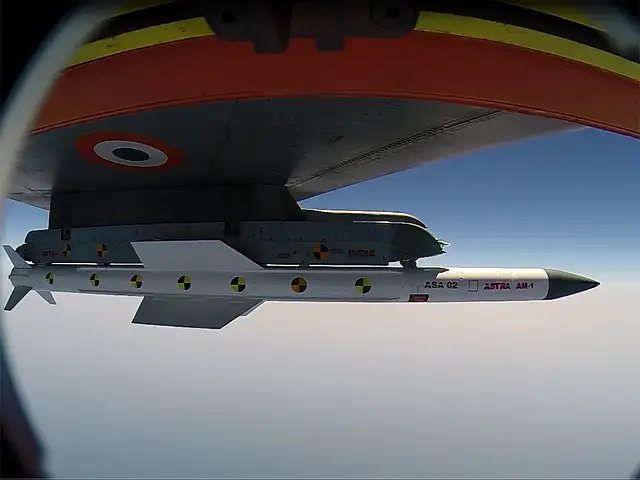
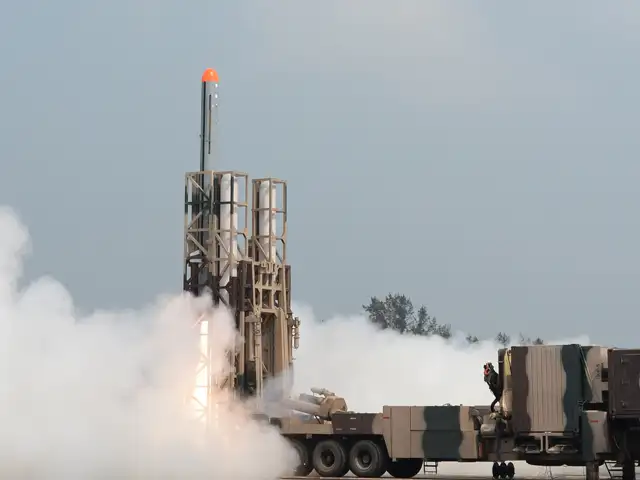
The need to have robust defence capabilities in today's day and age cannot be overstated. India has been aggressively pushing to enhance its ability to deter attacks and up its defence prowess.
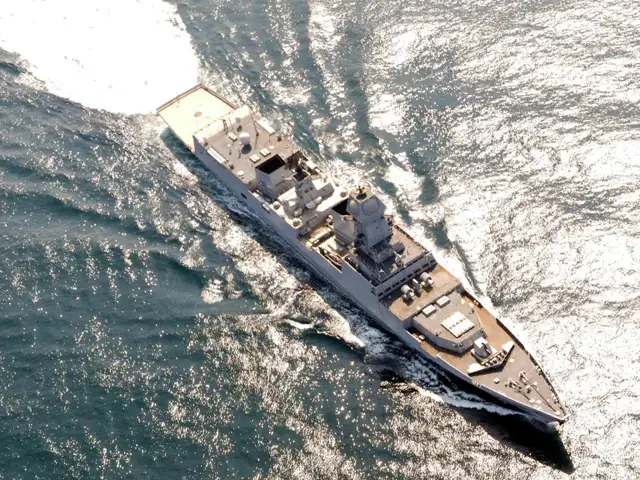
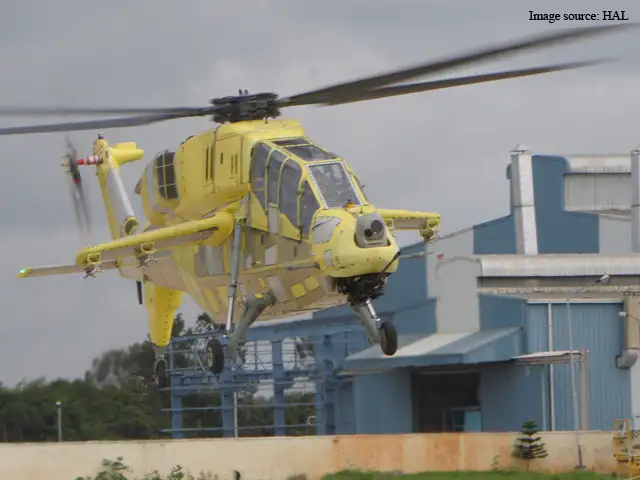
2014 saw multiple steps being taken in that direction and India saw many new additions to its defence fleet. We take a look at eight achievements that deserve a special mention:
The need to have robust defence capabilities in today's day and age cannot be overstated. India has been aggressively pushing to enhance its ability to deter attacks and up its defence prowess.
2014 saw multiple steps being taken in that direction and India saw many new additions to its defence fleet. We take a look at eight achievements that deserve a special mention:

ADVERTISEMENT


