India asks Japan if it’s interested in Rs 50,000-crore submarine project
Russia, France, Germany and Spain, all better watch out. They may have to contend with Japan in the race to supply submarines to India.
By Rajat Pandit, TNN | Updated:

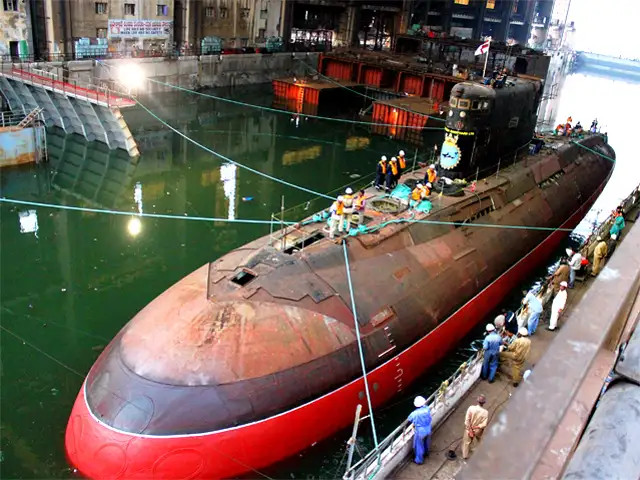
NEW DELHI: Russia, France, Germany and Spain, all better watch out. They may have to contend with Japan in the race to supply submarines to India. In keeping with their expanding strategic partnership, the Modi government has asked the Shinzo Abe administration whether it would be interested in the over Rs 50,000 crore project to build six stealth submarines in India.
With Japan recently ending its decades old self-imposed arms export embargo, New Delhi has forwarded "a proposal" to Tokyo to "consider the possibility" of making its latest diesel-electric Soryu-class submarines in India, say sources.
This "feeler" dovetails into PM Narendra Modi's strategic outreach to Japan, as well as Australia and the US, since he took over last year. The possible sale of Japanese US-2i ShinMayva amphibious aircraft to the Indian Navy is already being discussed. Australia, too, is considering the Soryu submarines to replace its ageing Collins-class vessels.
The US, on its part, has been pushing for greater defence cooperation among India, Japan and Australia to counter China's assertiveness in the Asia-Pacific region. The recent Obama-Modi summit led to the "joint strategic vision for Asia-Pacific and Indian Ocean Region" with a direct reference to South China Sea, where China is locked in territorial disputes with its neighbours. Both Japan and Australia are also keen to participate in the annual Indo-US Malabar naval exercise on a regular basis, which has riled China in the past.
But the 4,200-tonne Soryu submarines, manufactured by Mitsubishi Heavy Industries and Kawasaki Heavy Industries, may not meet Indian requirements. Japan will also be just one of the contenders for the mega programme, called Project-75-India, if it agrees to throw its hat into the ring.
Countries like France (ship-builder DCNS), Germany (HDW), Russia (Rosoboronexport) and Spain (Navantia) are already girding up, with the first three having the experience of building submarines for India.
The six new submarines, with both land-attack missile capabilities and air-independent propulsion for greater underwater endurance, are to be built at an Indian shipyard with foreign collaboration. "If Japan is really interested, it will have to form a joint venture with an Indian public/private shipyard," said the source.
The Modi government wants to kick-start Project-75-I, which has not taken off due to politico-bureaucratic apathy since being accorded "acceptance of necessity" in November 2007, in the backdrop of India's rapidly depleting conventional submarine fleet.
A high-level committee, led by Vice Admiral AV Subhedar, is slated to submit a report to the defence ministry next month on the domestic shipyards which are capable of submarine-manufacturing. "The tender or RFP (request for proposal) to the shipyards should be issued this year," he said.
With Japan recently ending its decades old self-imposed arms export embargo, New Delhi has forwarded "a proposal" to Tokyo to "consider the possibility" of making its latest diesel-electric Soryu-class submarines in India, say sources.
This "feeler" dovetails into PM Narendra Modi's strategic outreach to Japan, as well as Australia and the US, since he took over last year. The possible sale of Japanese US-2i ShinMayva amphibious aircraft to the Indian Navy is already being discussed. Australia, too, is considering the Soryu submarines to replace its ageing Collins-class vessels.
The US, on its part, has been pushing for greater defence cooperation among India, Japan and Australia to counter China's assertiveness in the Asia-Pacific region. The recent Obama-Modi summit led to the "joint strategic vision for Asia-Pacific and Indian Ocean Region" with a direct reference to South China Sea, where China is locked in territorial disputes with its neighbours. Both Japan and Australia are also keen to participate in the annual Indo-US Malabar naval exercise on a regular basis, which has riled China in the past.
But the 4,200-tonne Soryu submarines, manufactured by Mitsubishi Heavy Industries and Kawasaki Heavy Industries, may not meet Indian requirements. Japan will also be just one of the contenders for the mega programme, called Project-75-India, if it agrees to throw its hat into the ring.
Countries like France (ship-builder DCNS), Germany (HDW), Russia (Rosoboronexport) and Spain (Navantia) are already girding up, with the first three having the experience of building submarines for India.
ADVERTISEMENT
The six new submarines, with both land-attack missile capabilities and air-independent propulsion for greater underwater endurance, are to be built at an Indian shipyard with foreign collaboration. "If Japan is really interested, it will have to form a joint venture with an Indian public/private shipyard," said the source.
 |
The Modi government wants to kick-start Project-75-I, which has not taken off due to politico-bureaucratic apathy since being accorded "acceptance of necessity" in November 2007, in the backdrop of India's rapidly depleting conventional submarine fleet.
A high-level committee, led by Vice Admiral AV Subhedar, is slated to submit a report to the defence ministry next month on the domestic shipyards which are capable of submarine-manufacturing. "The tender or RFP (request for proposal) to the shipyards should be issued this year," he said.
ADVERTISEMENT
The Soryu submarines, incidentally, were inducted into the Japanese maritime self-defence force from 2009 onwards. Already equipped with AIP, Japan is now working to install lithium-ion battery propulsion systems in its next-generation of the Soryu submarines. Download
The Economic Times Business News App for the Latest News in Business, Sensex, Stock Market Updates & More.
The Economic Times Business News App for the Latest News in Business, Sensex, Stock Market Updates & More.
Download
The Economic Times News App for Quarterly Results, Latest News in ITR, Business, Share Market, Live Sensex News & More.
The Economic Times News App for Quarterly Results, Latest News in ITR, Business, Share Market, Live Sensex News & More.
Related Articles
 Mazagon Dock Shipbuilders begins negotiations on Submarine Project-P75(I) with Indian Navy2025-09-10T15:11:09Z
- Mazagon Dock Shipbuilders shares jump nearly 4% as Centre clears Rs 70,000 crore submarine project negotiations2025-08-25T02:54:45Z
- North Korea's Kim inspects 'nuclear-powered submarine' project2025-03-08T06:42:38Z
Economictimes.com & Agencies
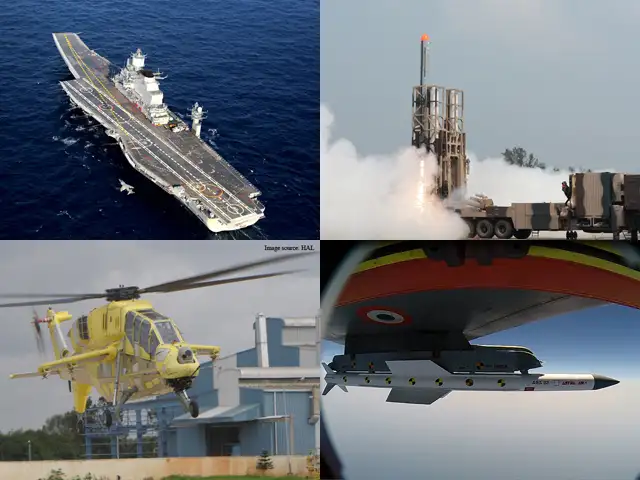
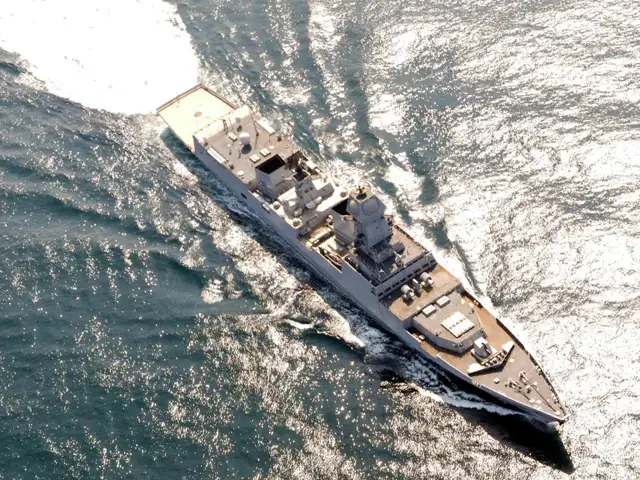
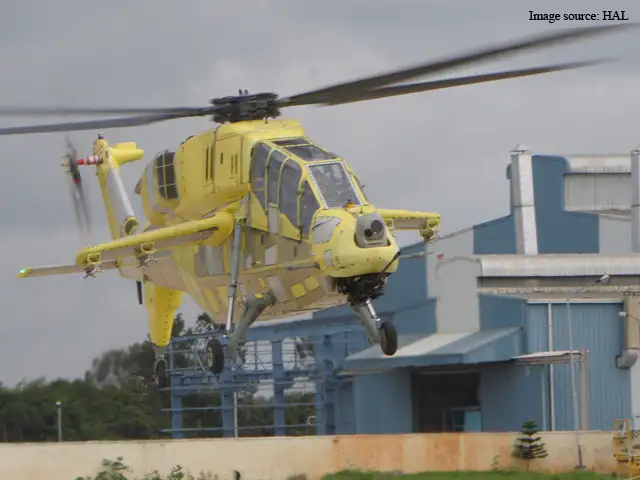
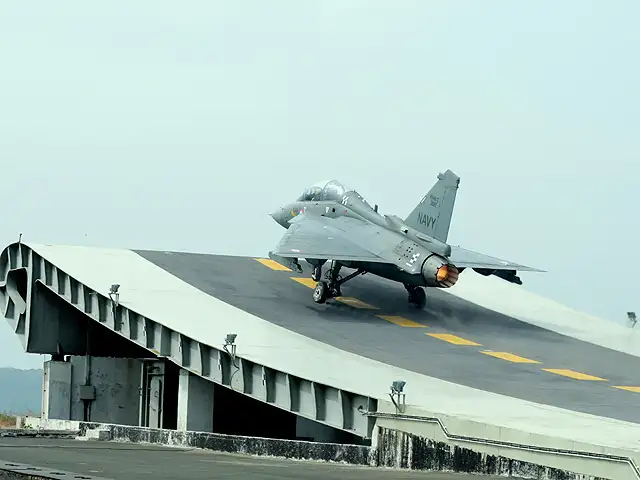
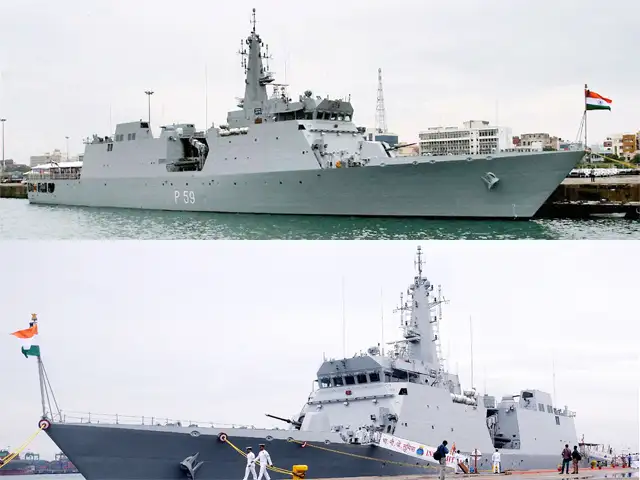
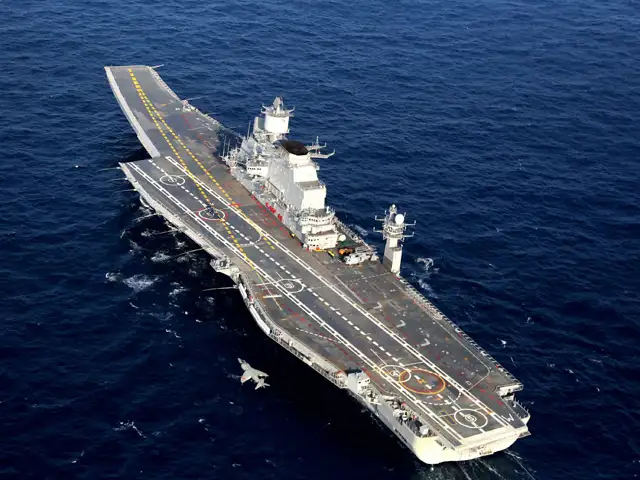
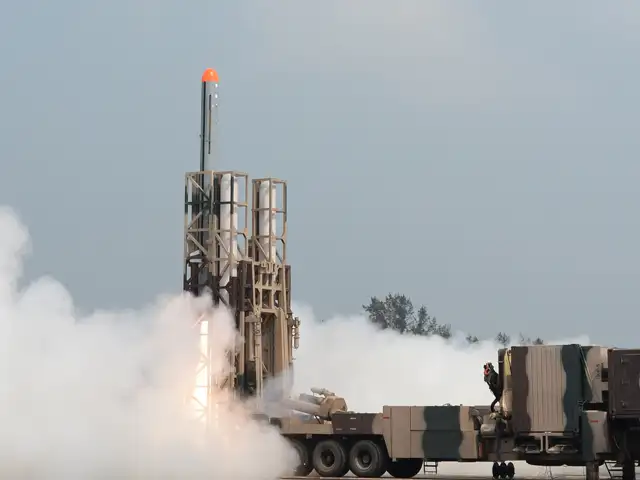
The need to have robust defence capabilities in today's day and age cannot be overstated. India has been aggressively pushing to enhance its ability to deter attacks and up its defence prowess.
2014 saw multiple steps being taken in that direction and India saw many new additions to its defence fleet. We take a look at eight achievements that deserve a special mention:
The need to have robust defence capabilities in today's day and age cannot be overstated. India has been aggressively pushing to enhance its ability to deter attacks and up its defence prowess.
2014 saw multiple steps being taken in that direction and India saw many new additions to its defence fleet. We take a look at eight achievements that deserve a special mention:


ADVERTISEMENT


