How Narendra Modi reworked Rafale deal, and why it’s a winner
Two themes dominated PM Modi's decision to do an outright buy of 36 Rafale fighters from France — national security and cutting through bureaucratic red tape.
By Indrani Bagchi, TNN | Updated:

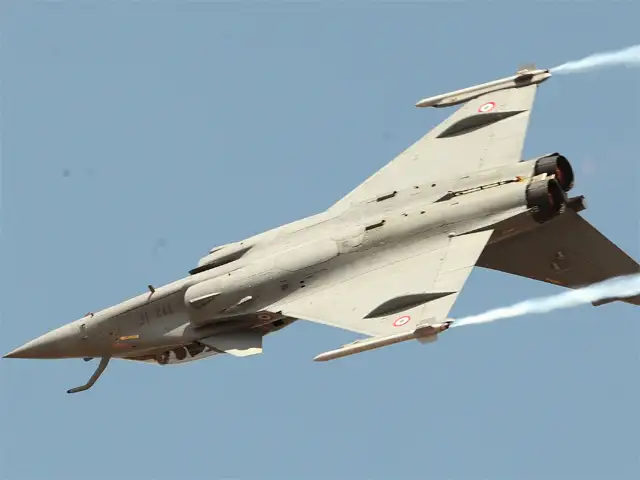
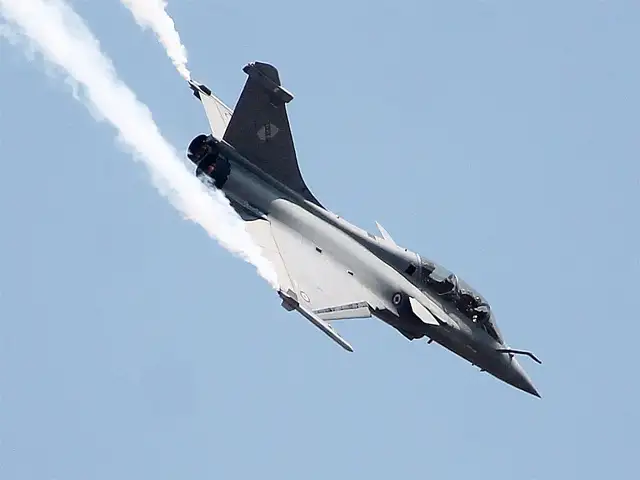
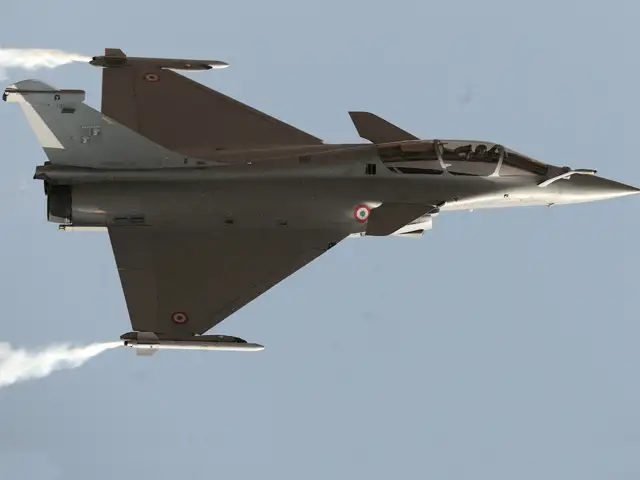
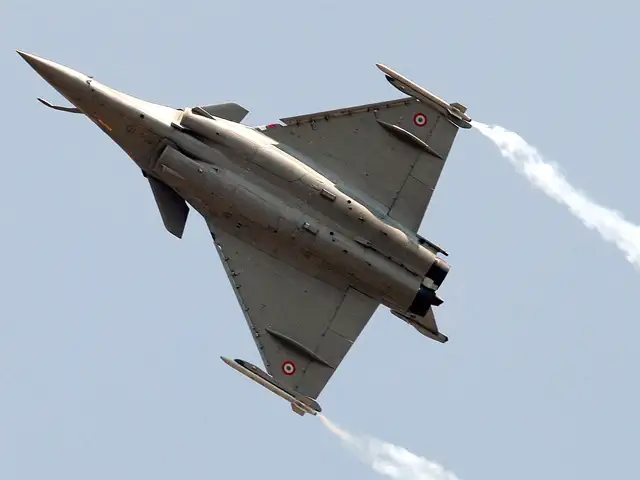
NEW DELHI: Two themes dominated Prime Minister Narendra Modi's decision to do an outright buy of 36 Rafale fighter aircraft from France — national security and cutting through bureaucratic red tape. In the process, India was able to get better terms for the fighters, which has been hanging fire for the past few years.
The Indian Air Force has been raising red flags over the appalling lack of India's defence preparedness for some time. But this time, the Air chief received a sympathetic hearing from the PM. While it was the same shortcoming that had prompted the Rafale deal in the first place, the subsequent tortuous negotiations meant that the deal had less and less chances of going through.
Between the Dassault-HAL mistrust, looming liability issues that Dassault flagged for the 108 aircraft supposed to be built in India, and rising lifecycle costs for the aircraft, it was threatening to become one of those famous defence quagmires that have regularly bedeviled Indian defence procurement.
India was not only in danger of not getting the Rafale, but not getting anything else either because nobody would be able to actually scrap the deal without incurring penalties. It would have been a festering sore that would have impacted India-France relations.
Late last year, the Indian government decided to look at other options on how to get the necessary aircraft without raising hackles or having the deal questioned. The Modi government decided to cut through the red tape, which included everything from offset rules to pricing. Abandoning the 'Make in India' mantra for 36 planes, Modi was able to do two things.
First get a better price from France for the 36 planes because they are a direct G2G buy and do not involve technology transfer. Secondly, there was also no question of going back to the drawing board to re-issue the RFP (Request for Proposal) which would have added to the delay and could attract unnecessary criticism, political opposition and allegations of corruption, which this government is keen to avoid.

A national security assessment also highlighted the growing uncertainty in India's neighbourhood-- not only with its traditional challenges of China and Pakistan, but the growing instability in India's western neighbourhood. An aggressive China could also be unpredictable and any potential conflict with India's northern neighbour would be all about air power.
The Indian Air Force has been raising red flags over the appalling lack of India's defence preparedness for some time. But this time, the Air chief received a sympathetic hearing from the PM. While it was the same shortcoming that had prompted the Rafale deal in the first place, the subsequent tortuous negotiations meant that the deal had less and less chances of going through.
Between the Dassault-HAL mistrust, looming liability issues that Dassault flagged for the 108 aircraft supposed to be built in India, and rising lifecycle costs for the aircraft, it was threatening to become one of those famous defence quagmires that have regularly bedeviled Indian defence procurement.
India was not only in danger of not getting the Rafale, but not getting anything else either because nobody would be able to actually scrap the deal without incurring penalties. It would have been a festering sore that would have impacted India-France relations.
Late last year, the Indian government decided to look at other options on how to get the necessary aircraft without raising hackles or having the deal questioned. The Modi government decided to cut through the red tape, which included everything from offset rules to pricing. Abandoning the 'Make in India' mantra for 36 planes, Modi was able to do two things.
First get a better price from France for the 36 planes because they are a direct G2G buy and do not involve technology transfer. Secondly, there was also no question of going back to the drawing board to re-issue the RFP (Request for Proposal) which would have added to the delay and could attract unnecessary criticism, political opposition and allegations of corruption, which this government is keen to avoid.
ADVERTISEMENT
A national security assessment also highlighted the growing uncertainty in India's neighbourhood-- not only with its traditional challenges of China and Pakistan, but the growing instability in India's western neighbourhood. An aggressive China could also be unpredictable and any potential conflict with India's northern neighbour would be all about air power.
China, because of its arms embargo, cannot access the kind of weapons that India can - but in the past few years, Beijing has ramped up its fighter aircraft production with a lot of help from Russia. With its deep pockets and near absent bureaucratic delays on defence production, China would soon have an unbeatable edge over India.
Meanwhile, Dassault itself was having problems, until they got a shot in the arm with Egypt ordering 24 Rafale jets off the shelf in February for $5.9 billion, a much higher price than negotiated by India for 126 aircraft. This gave them the ability to continue negotiations with India while they worked on the Egypt order. It would mean that India would add several years to its already long waiting period to get the aircraft. In the meantime, Indian Air Force would continue its downward spiral.
French defence minister Jean-Yves Le Drian visited India in December and in February after India indicated it would seriously relook at overcoming the hurdles for Rafale. India sent a number of teams to France to complete the negotiations in time for the PM's visit. As in the India-US nuclear deal, negotiations went down to the wire, with Indian officials negotiating the minutiae of the deal as late as late last week.
The order for 36 jets, double the original number, was used by the government to drive a harder bargain with France. The government was persuaded to pressure Dassault to fast track delivery, and secure better terms for servicing and maintenance besides spares. The political heavy lifting was spearheaded by the PM, including the internal decision to slice away at the red tape.
Sources said the earlier deal on 108 aircraft to be manufactured in India still stands and would be renegotiated with Dassault incorporating the new terms agreed on. It's not yet clear whether government entity HAL would be the Indian manufacturer or whether with the liberalized defence production norms, it could be someone else. For the moment, India will continue to hold the French feet to the fire for swift delivery of the aircraft.
ADVERTISEMENT
The government has already announced the two new squadrons would be inducted into the IAF in two years. The India-France joint statement said the order for the 36 jets would be "on terms that would be better than conveyed by Dassault Aviation as part of a separate process underway".
Download
The Economic Times Business News App for the Latest News in Business, Sensex, Stock Market Updates & More.
The Economic Times Business News App for the Latest News in Business, Sensex, Stock Market Updates & More.
Download
The Economic Times News App for Quarterly Results, Latest News in ITR, Business, Share Market, Live Sensex News & More.
The Economic Times News App for Quarterly Results, Latest News in ITR, Business, Share Market, Live Sensex News & More.
Related Articles
 Prime Minister Narendra Modi participates in Yoga Day celebrations at Red Road in Kolkata2026-06-21T01:25:56Z
- PM Narendra Modi lines up middle-power talks ahead of Trump meeting at G72026-06-16T10:38:53Z
- Human-centric technology at heart of India's AI ambitions: PM Narendra Modi at Bharat Innovates 20262026-06-14T15:47:10Z

Poll
ADVERTISEMENT


