How Kalam's role helped avert 'Hindu bomb' tag
Struggling to get India's space programme going in the face of an inimical US-led sanctions, Kalam was at the wrong end of Washington's technology denial regime.
By Chidanand Rajghatta, TNN | Updated:

WASHINGTON: Abdul Kalam did not visit the United States in the years he was President of India (2002-2007). It was the aftermath of 9/11; Washington was in an angry red haze and had launched a "war on terror." There was little appetite in the Bush administration, which was yet to get its teeth into the US-India nuclear deal, to host a titular head of state, although it has already begun recalibrating its ties with India. Dr Manmohan Singh was the go-to man. Kalam may well have been the "to-go" man.
After all, he had defied US sanctions for more than two decades to help India eventually become a de facto nuclear and ballistic missile power, circumventing an American-led effort by world powers to "cap, roll-back, and eliminate" New Delhi's progress. With his crazy-looking hair-do and pronounced accent, he was, more than any other scientist in the Indian establishment, imbued with a diabolic, mephistophelian avatar in western non-proliferation narrative - India's Dr Strangelove.
Kalam had visited the United States before. As a young rocket scientist, he had spent time in the 1960s at NASA's Langley Research Center in Hampton, Virginia, and at the Goddard Space Flight Center in Greenbelt, Maryland, on either side of the US capital, in an era when Washington happily patronized India's fledgling space programme. But things went south after Richard Nixon's toxic tilt in 1971 and India's first nuclear test in 1974, resulting in long years of ever-tightening sanctions on the country's nuclear and missile programme.
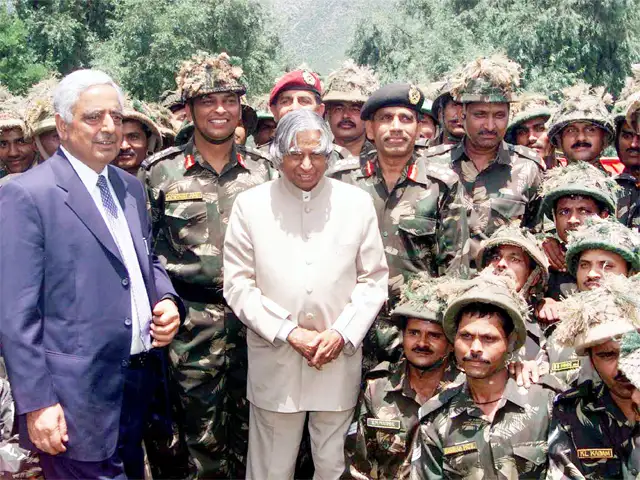
Struggling to get India's space programme going in the face of an inimical US-led sanctions, Kalam was at the wrong end of Washington's technology denial regime. The experience motivated him to work on indigenizing every aspect of India's space and nuclear programme, not always with great success. By the time he adopted the nom de guerre "Major General Prithviraj" and donned military camouflage during the Shakti tests in 1998 to escape US spy satellites and spooks tasked with monitoring India's nuclear programme, he had become a past master at working his way around American restrictions.
Taking on the name "Prithviraj" may or may not have indicated the comfort with which he carried a syncretic Indian heritage. But his association with India's overt nuclearisation, which he had long pressed for as it's "missile man," perhaps helped avoid the weapon being dubbed a "Hindu bomb." It was a term that western headline writers and non-proliferation nabobs were all too eager to bestow as a counterpoint to the "Islamic Bomb."

As it is, India's return to the world nuclear center-stage has been coloured by corrosive commentary on bouts of Hindu triumphalism that followed the Shakti tests. Some analysts attributed the tests as much to BJP's domestic political compulsions and instinct for survival (it led a minority government) as to India's security needs or strategic foresight.
So there was a spate of editorials, analyses, and cartoons with a "Hindu" angle -- from India's "Hindu Prime Minister" offering his home minister "Hindu sweets," to a weekend New York Times story that was accompanied by a reproduction of a painting of Shiva -- with five heads, ten arms, and a garland of skulls. Other commentaries spoke of a recidivist, revanchist mood in India, flogging the usual cliche-d images... snake charmers, fakirs, even sati and Kipling.
But there was one problem with the "Hindu bomb" narrative. One of its principals was a Muslim, even though he was an unusual one: Kalam read the Bhagavad Gita, listened to Carnatic music, liked to play the Rudra Veena, and even had praying rights at the Rameswaram temple. In fact, he had seldom been seen at a mosque; one rare public visit to the Fatehpuri Masjid in 2007 occasioned much surprised commentary.
Not that he disdained religion. In fact, when he did resume his US visits after demitting the presidential office, one of his trips was to attend the anniversary of the JSS spiritual mission in Maryland outside Washington. Associated with the Suttur mutth (monastery), the mission is avowedly Hindu, but Kalam chose to recognize its commitment to education above all else. In his book Ignited Minds, the former President also cited this writer's book The Horse That Flew, referring in particular to a passage that described a Silicon Valley eco-system where enterprise and teamwork trumped religion, politics, and even nationality.
In more recent years, Kalam, like the current Prime Minister, demonstrated that pique was not part of his psyche despite Washington's one-time discrimination and demonization. There was the odd security flub and protocol gaffe even on post 2007 visits to the US, but he took it in his stride, accepting honorary degrees from University of Houston and Carnegie Mellon among others, while unfailingly speaking about his first love: learning. In more than one way, he was an inspirational man of words.
After all, he had defied US sanctions for more than two decades to help India eventually become a de facto nuclear and ballistic missile power, circumventing an American-led effort by world powers to "cap, roll-back, and eliminate" New Delhi's progress. With his crazy-looking hair-do and pronounced accent, he was, more than any other scientist in the Indian establishment, imbued with a diabolic, mephistophelian avatar in western non-proliferation narrative - India's Dr Strangelove.
Kalam had visited the United States before. As a young rocket scientist, he had spent time in the 1960s at NASA's Langley Research Center in Hampton, Virginia, and at the Goddard Space Flight Center in Greenbelt, Maryland, on either side of the US capital, in an era when Washington happily patronized India's fledgling space programme. But things went south after Richard Nixon's toxic tilt in 1971 and India's first nuclear test in 1974, resulting in long years of ever-tightening sanctions on the country's nuclear and missile programme.
Struggling to get India's space programme going in the face of an inimical US-led sanctions, Kalam was at the wrong end of Washington's technology denial regime. The experience motivated him to work on indigenizing every aspect of India's space and nuclear programme, not always with great success. By the time he adopted the nom de guerre "Major General Prithviraj" and donned military camouflage during the Shakti tests in 1998 to escape US spy satellites and spooks tasked with monitoring India's nuclear programme, he had become a past master at working his way around American restrictions.
Taking on the name "Prithviraj" may or may not have indicated the comfort with which he carried a syncretic Indian heritage. But his association with India's overt nuclearisation, which he had long pressed for as it's "missile man," perhaps helped avoid the weapon being dubbed a "Hindu bomb." It was a term that western headline writers and non-proliferation nabobs were all too eager to bestow as a counterpoint to the "Islamic Bomb."
ADVERTISEMENT
As it is, India's return to the world nuclear center-stage has been coloured by corrosive commentary on bouts of Hindu triumphalism that followed the Shakti tests. Some analysts attributed the tests as much to BJP's domestic political compulsions and instinct for survival (it led a minority government) as to India's security needs or strategic foresight.
So there was a spate of editorials, analyses, and cartoons with a "Hindu" angle -- from India's "Hindu Prime Minister" offering his home minister "Hindu sweets," to a weekend New York Times story that was accompanied by a reproduction of a painting of Shiva -- with five heads, ten arms, and a garland of skulls. Other commentaries spoke of a recidivist, revanchist mood in India, flogging the usual cliche-d images... snake charmers, fakirs, even sati and Kipling.
But there was one problem with the "Hindu bomb" narrative. One of its principals was a Muslim, even though he was an unusual one: Kalam read the Bhagavad Gita, listened to Carnatic music, liked to play the Rudra Veena, and even had praying rights at the Rameswaram temple. In fact, he had seldom been seen at a mosque; one rare public visit to the Fatehpuri Masjid in 2007 occasioned much surprised commentary.
ADVERTISEMENT
In truth, Kalam professed to be neither Muslim nor Hindu in public: his religion was learning.Not that he disdained religion. In fact, when he did resume his US visits after demitting the presidential office, one of his trips was to attend the anniversary of the JSS spiritual mission in Maryland outside Washington. Associated with the Suttur mutth (monastery), the mission is avowedly Hindu, but Kalam chose to recognize its commitment to education above all else. In his book Ignited Minds, the former President also cited this writer's book The Horse That Flew, referring in particular to a passage that described a Silicon Valley eco-system where enterprise and teamwork trumped religion, politics, and even nationality.
ADVERTISEMENT
The US itself had secretly begun citing his ascension as president as proof that even under a BJP/NDA government, notwithstanding aberrations, India was well and truly secular, and the opportunity the country's democracy offered to minorities boded well in the fight against terrorism. "With a Muslim President (Abdul Kalam) occupying the highest political position in the country, Muslims have been encouraged to seek political power in electoral and parliamentary politics, all but eliminating the appeal of violent extremism," then US ambassador to New Delhi David Mulford wrote to Washington, according to a cable cited by Wikileaks.In more recent years, Kalam, like the current Prime Minister, demonstrated that pique was not part of his psyche despite Washington's one-time discrimination and demonization. There was the odd security flub and protocol gaffe even on post 2007 visits to the US, but he took it in his stride, accepting honorary degrees from University of Houston and Carnegie Mellon among others, while unfailingly speaking about his first love: learning. In more than one way, he was an inspirational man of words.
Download
The Economic Times Business News App for the Latest News in Business, Sensex, Stock Market Updates & More.
The Economic Times Business News App for the Latest News in Business, Sensex, Stock Market Updates & More.
Download
The Economic Times News App for Quarterly Results, Latest News in ITR, Business, Share Market, Live Sensex News & More.
The Economic Times News App for Quarterly Results, Latest News in ITR, Business, Share Market, Live Sensex News & More.
Related Articles
 Life Advice of the Day by the 'Missile Man of India' Dr. A.P.J. Abdul Kalam: 'Dream, Dream, Dream...' – The incredible power of turning thoughts into action2026-06-03T20:44:53Z
- How APJ Abdul Kalam warned India about an energy crisis 20 years before today’s fuel anxiety2026-03-13T05:50:39Z
- Quote of the Day by Dr APJ Abdul Kalam: 'Don’t read success stories, you will only get a message. Read failure stories, you will get some ideas to achieve success'2026-01-18T12:47:25Z
Text: PTI, TNN
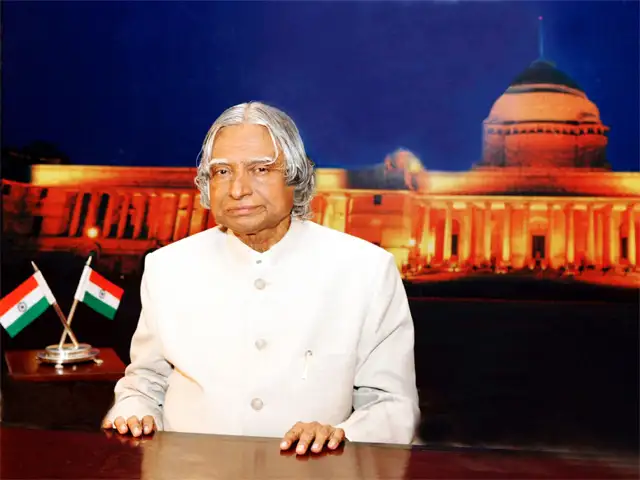
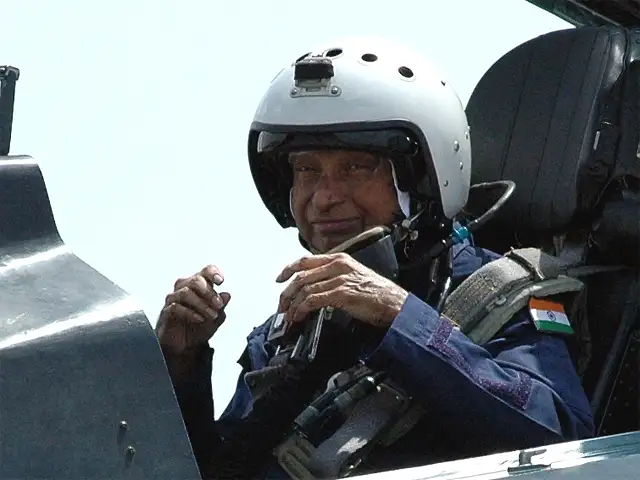
Popularly called the "Missile Man" of India, Dr APJ Abdul Kalam rose from humble beginnings and earned the reputation of being the "people's President" who endeared himself to all sections, especially the young.
A devout Muslim and son of a boatowner, Avul Pakir Jainulabdeen Abdul Kalam, who assumed office as the 11th President on July 18, 2002, was seen as a figurehead who could help heal some of the scars of the communal riots which broke out in Gujarat just a few months before.
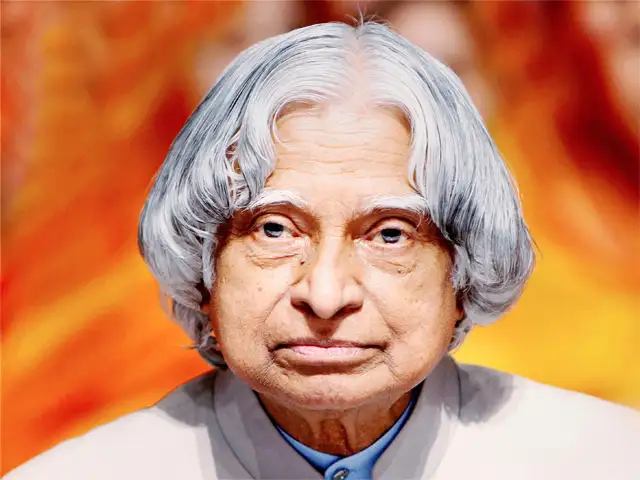
The country's first bachelor President, Kalam, whose flowing grey hair is seen as being at odds with what Indians thought a president ought to look like, was one amongst the most respected people of the country who contributed immensely both as a scientist and as a president.
On July 27, India's Missile Man-turned-People's President went as suddenly-at a youthful 83-as he had arrived centre stage to become a national icon.
Kalam collapsed while delivering a lecture at the Indian Institute of Management, Shillong at around 6.30pm. He was rushed to Bethany Hospital but the doctors couldn't save him. His body is being flown to Delhi this morning.
Popularly called the "Missile Man" of India, Dr APJ Abdul Kalam rose from humble beginnings and earned the reputation of being the "people's President" who endeared himself to all sections, especially the young.
A devout Muslim and son of a boatowner, Avul Pakir Jainulabdeen Abdul Kalam, who assumed office as the 11th President on July 18, 2002, was seen as a figurehead who could help heal some of the scars of the communal riots which broke out in Gujarat just a few months before.
The country's first bachelor President, Kalam, whose flowing grey hair is seen as being at odds with what Indians thought a president ought to look like, was one amongst the most respected people of the country who contributed immensely both as a scientist and as a president.
On July 27, India's Missile Man-turned-People's President went as suddenly-at a youthful 83-as he had arrived centre stage to become a national icon.
Kalam collapsed while delivering a lecture at the Indian Institute of Management, Shillong at around 6.30pm. He was rushed to Bethany Hospital but the doctors couldn't save him. His body is being flown to Delhi this morning.

ADVERTISEMENT


