'Handshake in the open' may see $1.5 billion defence deals with Israel
India is close to finalizing several major defence deals with Israel, including the ones for two additional Phalcon AWACS and four aerostat radars.
By Rajat Pandit, TNN | Updated:

NEW DELHI: India is close to finalizing several major defence deals with Israel, including the ones for two additional Phalcon AWACS (airborne warning and control systems) and four aerostat radars, together worth well over $1.5 billion (Rs 9,330 crore).
This comes even as Israeli defence minister Moshe Ya'alon is all set to touch down in India on Tuesday, the first such ministerial visit after the two countries established full diplomatic ties in 1992, as earlier reported by TOI. Ya'alon, accompanied by director-general of his ministry Major Gen (retd) Dan Harel and CEOs of Israeli arms companies, will hold meetings with his Indian counterpart Manohar Parrikar and others as well as visit the Aero-India show at Bengaluru from February 18 to 22.
It marks a significant departure from the long-standing policy to keep the expansive bilateral military ties under wraps due to international and domestic political sensitivities despite Israel being among the top three defence suppliers to India since the 1999 Kargil conflict.
From Heron and Searcher UAVs (unmanned aerial vehicles), Harop "killer" drones and Green Pine radars to Python and Derby air-to-air missiles and Crystal Maze precision-guided munitions, as well as several joint projects, Israel has notched up sales worth over $10 billion to India.
The figure will only head further north, with the finance ministry now vetting the acquisition of two more Phalcon AWACS or "eyes in the sky" that can detect incoming fighters, cruise missiles and drones much before ground-based radars.
The AWACS, with a 400km range and 360-degree coverage, also act as potent force-multipliers by directing air defence fighters during combat operations with enemy jets. "The CNC (contract negotiations committee) has been concluded. After the finance ministry, it will be sent to the cabinet committee on security for the final nod," said a source.
India already has three Phalcon AWACS in the shape of Israeli early-warning radar suites mounted on Russian IL-76 aircraft, which were inducted under a $1.1 billion tripartite agreement among India, Israel and Russia in 2004.
Similarly, India is now finalizing the acquisition of four more aerostat radars, which are basically sensors mounted on blimp-like large balloons tethered to the ground, after inducting two such EL/M-2083 radars in 2004-2005 under a $145-million deal.
In recent months, India has gone in for acquisition of 250 Israeli Spice missiles or "stand-off autonomous air-to-ground weapon systems" for fighter jets and two additional "troops" of Heron medium altitude, long-endurance UAVs.
In October, India also rejected the hard-sell by the US for its Javelin anti-tank guided missiles by clearing an initial purchase of 321 Israeli Spike ATGM launchers and 8,356 missiles for Rs 3,200 crore.
While the US is still pushing India for co-development and co-production of the next-generation of Javelin ATGMs, Israel could eventually bag the mega Indian project for large-scale indigenous manufacture of the tank-killers by defence PSU Bharat Dynamics. The Army, after all, wants to equip all its 382 infantry battalions and 44 mechanized infantry units with the fire-and-forget ATGMs.
This comes even as Israeli defence minister Moshe Ya'alon is all set to touch down in India on Tuesday, the first such ministerial visit after the two countries established full diplomatic ties in 1992, as earlier reported by TOI. Ya'alon, accompanied by director-general of his ministry Major Gen (retd) Dan Harel and CEOs of Israeli arms companies, will hold meetings with his Indian counterpart Manohar Parrikar and others as well as visit the Aero-India show at Bengaluru from February 18 to 22.
It marks a significant departure from the long-standing policy to keep the expansive bilateral military ties under wraps due to international and domestic political sensitivities despite Israel being among the top three defence suppliers to India since the 1999 Kargil conflict.
From Heron and Searcher UAVs (unmanned aerial vehicles), Harop "killer" drones and Green Pine radars to Python and Derby air-to-air missiles and Crystal Maze precision-guided munitions, as well as several joint projects, Israel has notched up sales worth over $10 billion to India.
The figure will only head further north, with the finance ministry now vetting the acquisition of two more Phalcon AWACS or "eyes in the sky" that can detect incoming fighters, cruise missiles and drones much before ground-based radars.
The AWACS, with a 400km range and 360-degree coverage, also act as potent force-multipliers by directing air defence fighters during combat operations with enemy jets. "The CNC (contract negotiations committee) has been concluded. After the finance ministry, it will be sent to the cabinet committee on security for the final nod," said a source.
ADVERTISEMENT
India already has three Phalcon AWACS in the shape of Israeli early-warning radar suites mounted on Russian IL-76 aircraft, which were inducted under a $1.1 billion tripartite agreement among India, Israel and Russia in 2004.
Similarly, India is now finalizing the acquisition of four more aerostat radars, which are basically sensors mounted on blimp-like large balloons tethered to the ground, after inducting two such EL/M-2083 radars in 2004-2005 under a $145-million deal.
In recent months, India has gone in for acquisition of 250 Israeli Spice missiles or "stand-off autonomous air-to-ground weapon systems" for fighter jets and two additional "troops" of Heron medium altitude, long-endurance UAVs.
In October, India also rejected the hard-sell by the US for its Javelin anti-tank guided missiles by clearing an initial purchase of 321 Israeli Spike ATGM launchers and 8,356 missiles for Rs 3,200 crore.
ADVERTISEMENT
While the US is still pushing India for co-development and co-production of the next-generation of Javelin ATGMs, Israel could eventually bag the mega Indian project for large-scale indigenous manufacture of the tank-killers by defence PSU Bharat Dynamics. The Army, after all, wants to equip all its 382 infantry battalions and 44 mechanized infantry units with the fire-and-forget ATGMs.
Download
The Economic Times Business News App for the Latest News in Business, Sensex, Stock Market Updates & More.
The Economic Times Business News App for the Latest News in Business, Sensex, Stock Market Updates & More.
Download
The Economic Times News App for Quarterly Results, Latest News in ITR, Business, Share Market, Live Sensex News & More.
The Economic Times News App for Quarterly Results, Latest News in ITR, Business, Share Market, Live Sensex News & More.
Related Articles
 Israel government recognises Armenian genocide in rebuke to Turkey2026-06-28T11:51:11Z
- Israel damaged heritage sites across south Lebanon, minister says2026-06-28T09:13:05Z
- Hezbollah declares Israel-Lebanon framework "null and void", vows to continue resistance until total Israeli withdrawal2026-06-28T08:42:11Z
Economictimes.com & Agencies
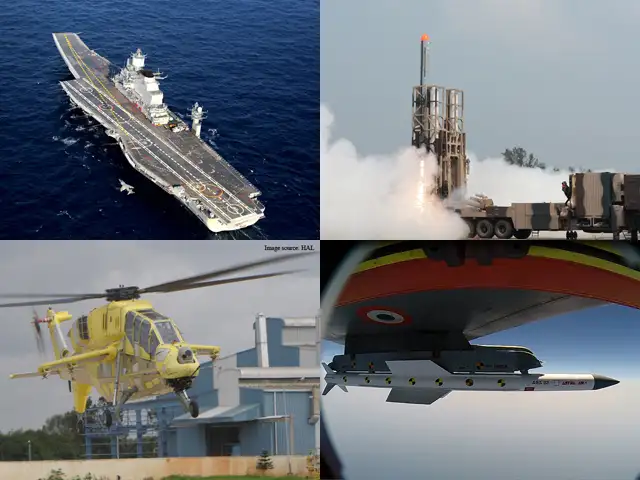
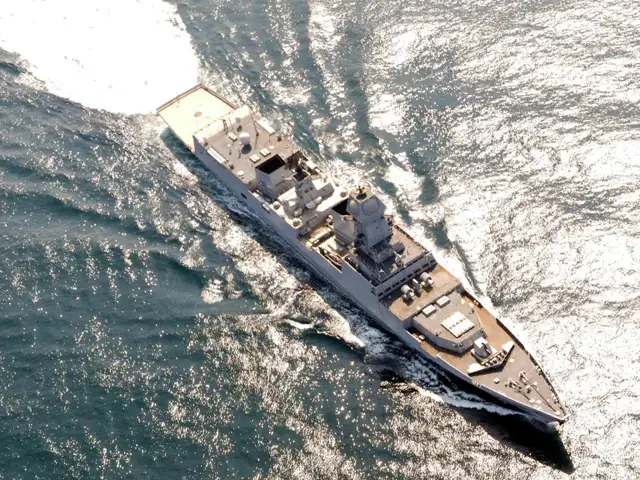
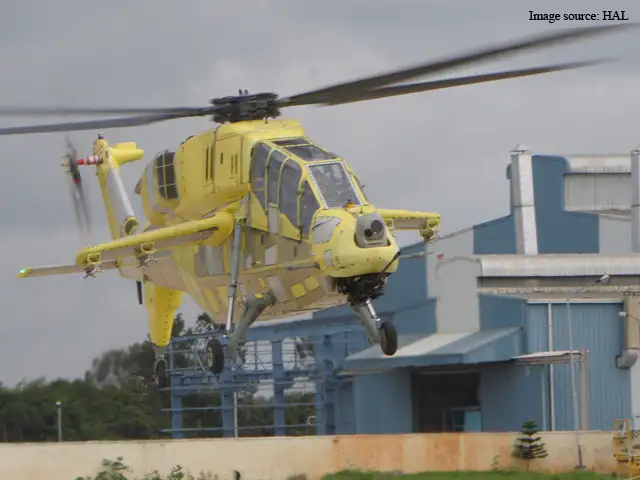
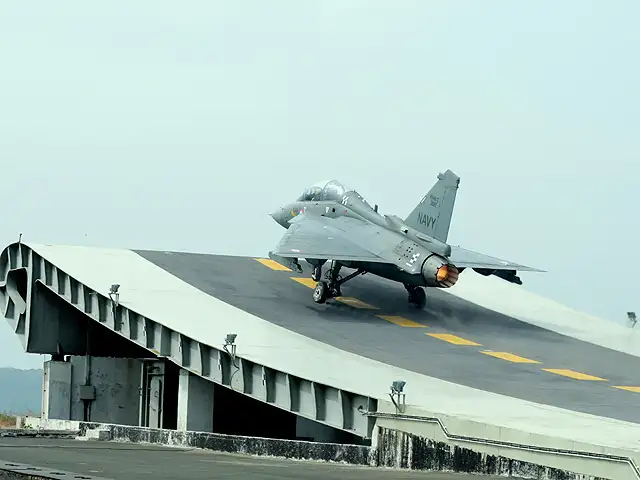
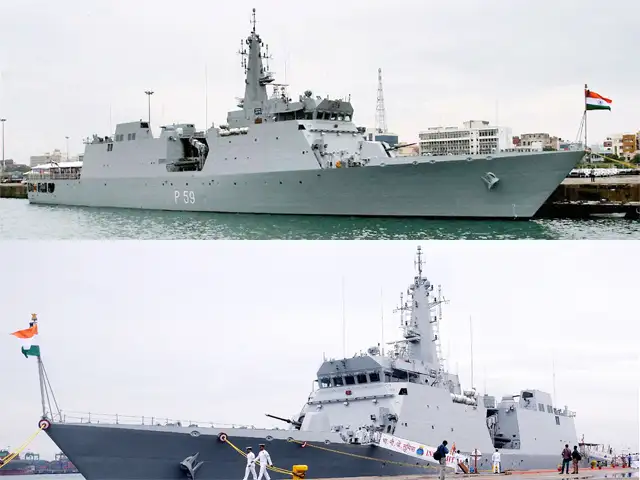
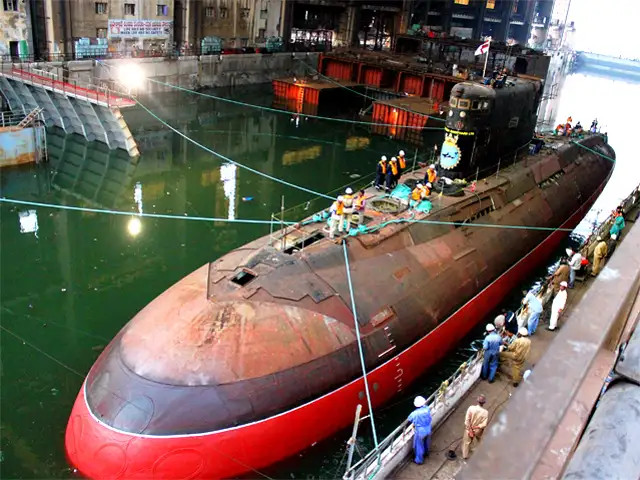
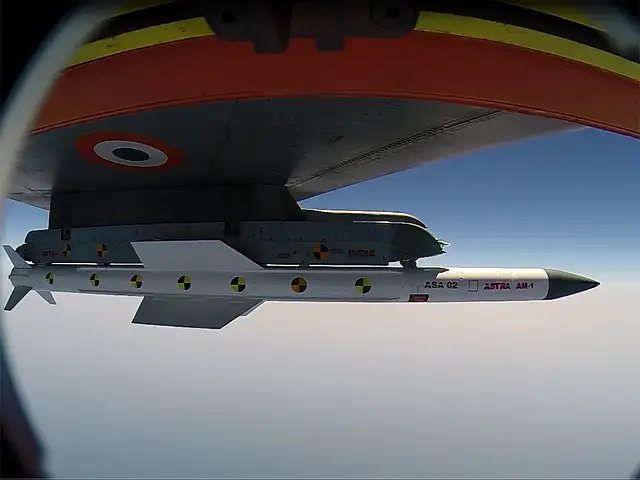
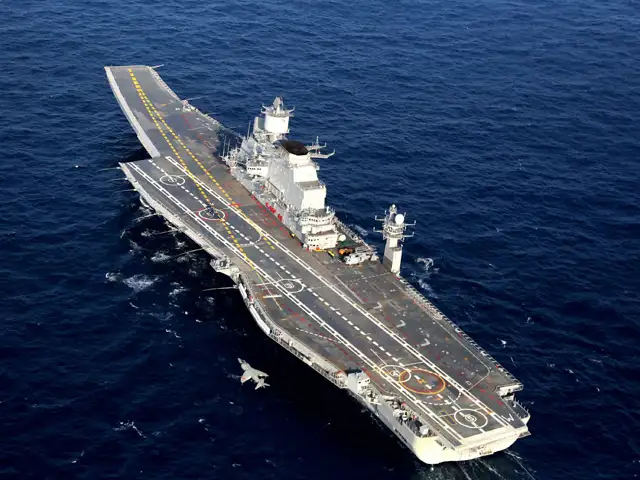
The need to have robust defence capabilities in today's day and age cannot be overstated. India has been aggressively pushing to enhance its ability to deter attacks and up its defence prowess.
2014 saw multiple steps being taken in that direction and India saw many new additions to its defence fleet. We take a look at eight achievements that deserve a special mention:
The need to have robust defence capabilities in today's day and age cannot be overstated. India has been aggressively pushing to enhance its ability to deter attacks and up its defence prowess.
2014 saw multiple steps being taken in that direction and India saw many new additions to its defence fleet. We take a look at eight achievements that deserve a special mention:

ADVERTISEMENT


