Government plans nuclear missile shield in Delhi
Placing the radars is the beginning of an accelerated process in creating a missile cover for major Indian cities, said officials.
By Manu Pubby, ET Bureau | Updated:

NEW DELHI: Modi Sarkar has taken the first real step in giving India’s capital city, Delhi, a security cover that cities such as Beijing and Washington already have — a nuclear missile shield. Two long-range missile-tracking radars have been placed in the national capital region.
When completed, the shield will be able to intercept missiles fired from as far as 5,000 km away. Senior government officials familiar with the matter told ET placing the radars is the beginning of an accelerated process in creating a missile cover for major Indian cities. The next Indian city to be covered is Mumbai.
Major cities around the world such as Washington, Beijing, Paris, London and Tel Aviv all have missile shields.
India’s missile shield programme has fallen behind over the past two years. The programme started in real earnest in 2006 and 2009-12 saw many tests. However, say senior officials, 2013 and 2014 were lull years for the programme. There was a failed test in April 2014.
Officials said the Modi government had ordered a major acceleration of the missile shield programme immediately after coming to power last May. Placing the long-range radars — Swordfish, developed with Israeli assistance, and capable of tracking incoming missiles from a range of 800 km — is a first big step that will be followed by placing missile interceptor units by 2016.
Missile tests will be held regularly, officials said. Next Monday will see an air defence missile test from Wheeler Island, off the Odisha coast. Wheeler Island is India’s main missile testing location.
The missile shield system will require several dozen missiles to be produced annually in the first phase. Missile defence systems in India use both long- and short range interceptors. Officials said India was better prepared in developing short-range interceptor missiles. The long range system will require more tests.
Officials say the Modi government’s view is that given the growing sophistication of nuclear arsenal in India’s neighbourhood, the lack of a missile defence system was a major security gap. The missile shield is even more critical for India given its ‘no first use’ policy for nuclear weapons, a doctrine that Pakistan doesn’t follow.
A major project cleared by the Modi government in its first months in power was to approve setting up a $1-billion facility in DRDO to manufacture vital seeker systems. Seeker systems direct missiles in the final phase of targeting. The facility, expected to come up near Hyderabad, is critical for missile shield.
When completed, the shield will be able to intercept missiles fired from as far as 5,000 km away. Senior government officials familiar with the matter told ET placing the radars is the beginning of an accelerated process in creating a missile cover for major Indian cities. The next Indian city to be covered is Mumbai.
Major cities around the world such as Washington, Beijing, Paris, London and Tel Aviv all have missile shields.
India’s missile shield programme has fallen behind over the past two years. The programme started in real earnest in 2006 and 2009-12 saw many tests. However, say senior officials, 2013 and 2014 were lull years for the programme. There was a failed test in April 2014.
Officials said the Modi government had ordered a major acceleration of the missile shield programme immediately after coming to power last May. Placing the long-range radars — Swordfish, developed with Israeli assistance, and capable of tracking incoming missiles from a range of 800 km — is a first big step that will be followed by placing missile interceptor units by 2016.
Missile tests will be held regularly, officials said. Next Monday will see an air defence missile test from Wheeler Island, off the Odisha coast. Wheeler Island is India’s main missile testing location.
ADVERTISEMENT
The missile shield system will require several dozen missiles to be produced annually in the first phase. Missile defence systems in India use both long- and short range interceptors. Officials said India was better prepared in developing short-range interceptor missiles. The long range system will require more tests.
Officials say the Modi government’s view is that given the growing sophistication of nuclear arsenal in India’s neighbourhood, the lack of a missile defence system was a major security gap. The missile shield is even more critical for India given its ‘no first use’ policy for nuclear weapons, a doctrine that Pakistan doesn’t follow.
A major project cleared by the Modi government in its first months in power was to approve setting up a $1-billion facility in DRDO to manufacture vital seeker systems. Seeker systems direct missiles in the final phase of targeting. The facility, expected to come up near Hyderabad, is critical for missile shield.
Download
The Economic Times Business News App for the Latest News in Business, Sensex, Stock Market Updates & More.
The Economic Times Business News App for the Latest News in Business, Sensex, Stock Market Updates & More.
Download
The Economic Times News App for Quarterly Results, Latest News in ITR, Business, Share Market, Live Sensex News & More.
The Economic Times News App for Quarterly Results, Latest News in ITR, Business, Share Market, Live Sensex News & More.
Related Articles
 Investors to continue to monitor Kaynes Technology for governance improvement: InGovern2026-06-22T09:17:02Z
- PSBs told to tighten scrutiny of government accounts amid fraud concerns2026-06-21T18:29:30Z
- Karnataka government to decide on revival of student polls in colleges this month: CM D K Shivakumar2026-06-21T16:03:36Z
Text: PTI & Agencies
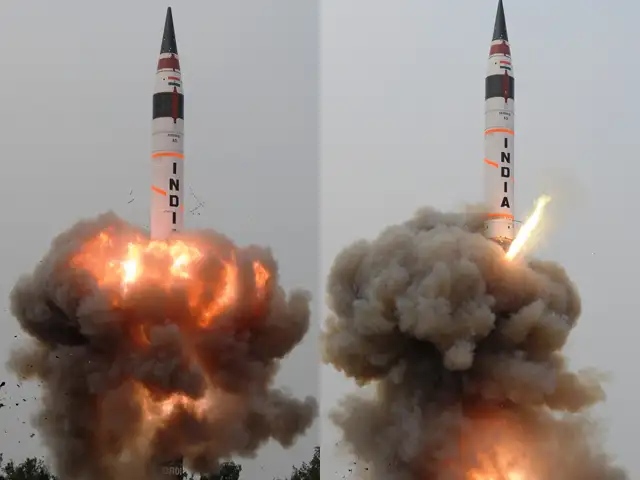
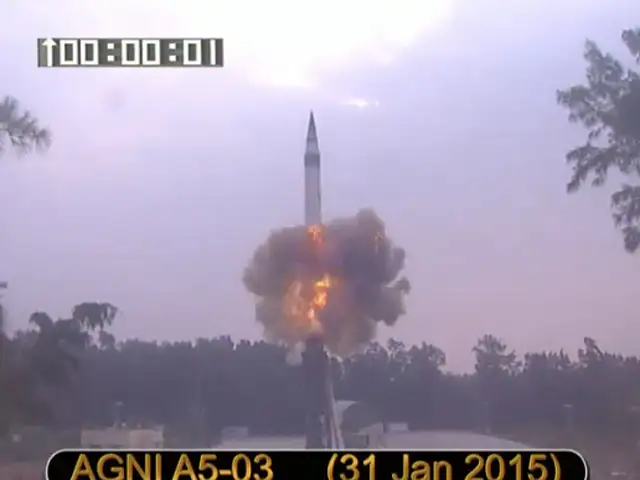
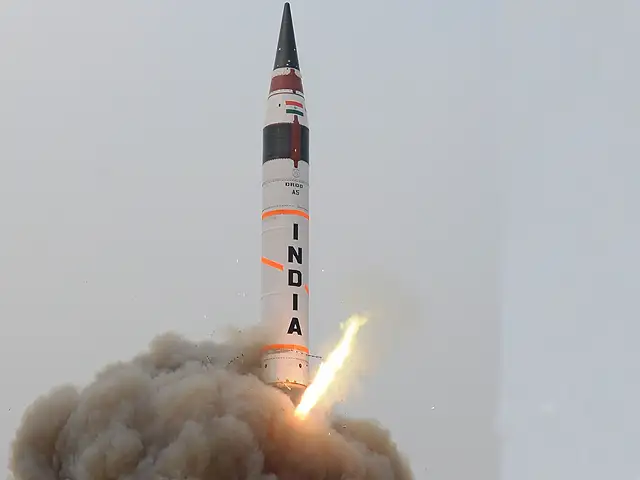
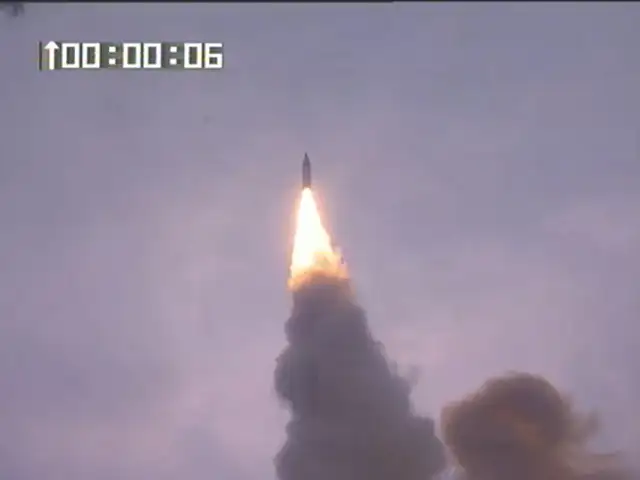
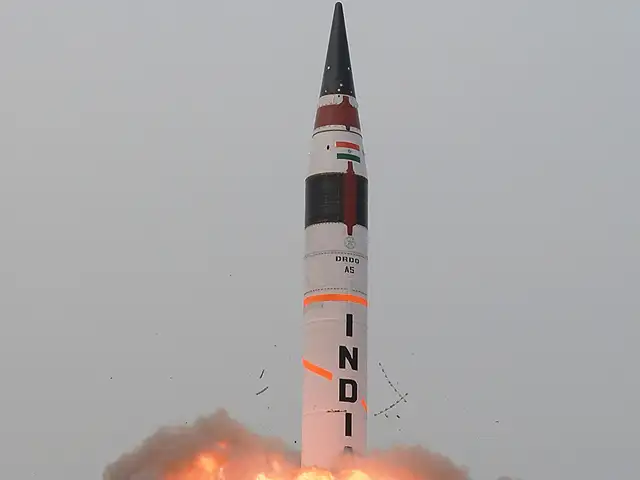
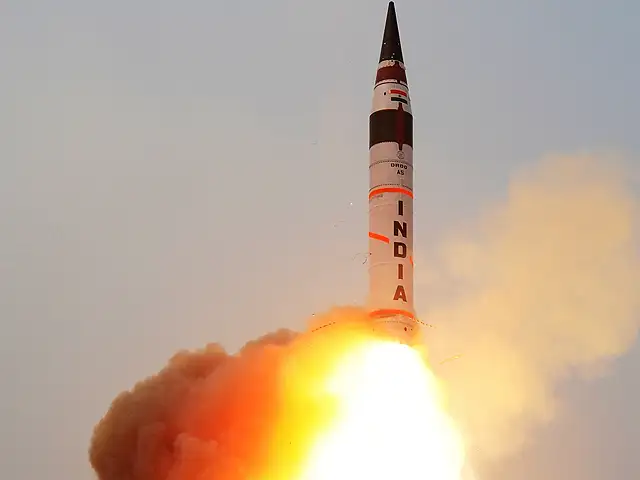
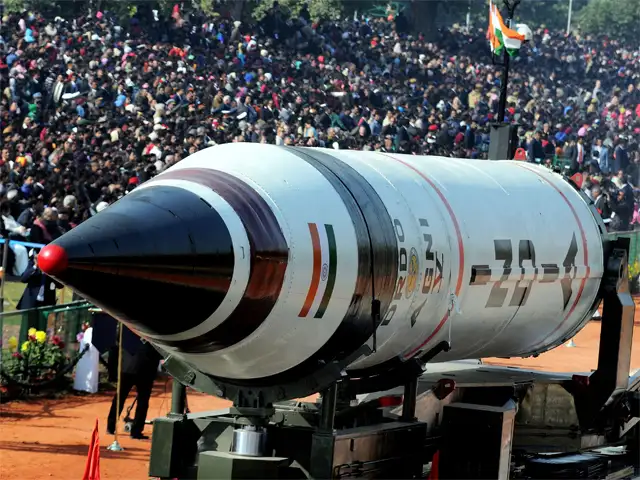
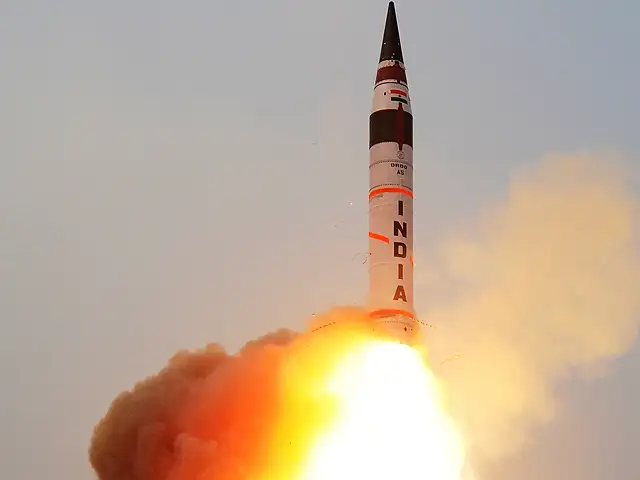
In a huge boost to India's defence sector, the maiden canister-based trial of the country's most potent missile Agni-V was conducted.
Image by DRDO
In a huge boost to India's defence sector, the maiden canister-based trial of the country's most potent missile Agni-V was conducted.
Image by DRDO

ADVERTISEMENT


