Government okays Rs 5,000 crore project for next-generation airborne warning system
AWACS has the capability to penetrate "longer distances" within enemy territory by way of radars systems without venturing into the region physically.
By PTI | Updated:

NEW DELHI: The government today sanctioned a Rs 5,113 crore project to develop a next-generation Airborne Warning and Control System (AWACS), which will act as a 360-degree 'Eye in the Sky', and also approved purchase of two Airbus A330 aircraft for the same.
However, no decision was taken on the multi-crore Avro replacement programme in which an Airbus-Tata consortium is the only bidder.
Incidentally, Airbus was the only bidder in the AWACS programme and the approval for purchase of the aircraft is the first deal in a single-vendor situation that has been sanctioned by the Defence Acquisition Council, which met here.
AWACS has the capability to penetrate "longer distances" within enemy territory by way of radars and electronic warfare systems without venturing into the region physically.
DAC, chaired by Defence Minister Manohar Parrikar, also approved the purchase of 1,512 mine ploughs for T90 tanks for Rs 710 crore and 30 weapon-locating radar for Rs 1,605 crore.
The top-decision making body in the Defence Ministry also approved certain deviations in the offset policy for the purchase of harpoon missiles for the navy, which had been sanctioned earlier.
A fresh Request for Proposal (RFP) for 220 Truck-Mounted Lifting Device (TMLD) was also approved by DAC at a cost of Rs 24 crore.
But the biggest project is the AWACS, which is to be different from an ongoing Embraer-based airborne early warning and control system (AEW&CS). It is being developed by the Defence Research and Development Organisation (DRDO) and will initially be for two aircraft with the aim being to have six such in total.
While the smaller AEWCS is based on the Embraer aircraft, DRDO required a larger, wide-bodied aircraft for the AWACS programme. The only response that DRDO got by way of tenders for the project last year was from Airbus for its A330 aircraft.
Defence sources said AWACS is a heavier and high endurance system which can give 360-degree coverage as against the AEW&C, which is about 270-degree coverage.
In addition, compared to AEW&C, AWACS flies at a higher altitude and can penetrate deeper into enemy territory, not physically, but by way of radars and EW (electronic warfare) systems. It can remain in the sky for larger durations and enables better visibility.
Meanwhile, defence sources said that the DAC gave 'Acceptance of Necessity' for procurement of 1,512 mine ploughs for T90 tanks. These ploughs are built by state-run BEML.
Procurement of 30 Weapon-Locating Radars was also cleared by DAC. These radars will be able to pick up artillery guns.
Sources said the project was developed by DRDO after they found while testing the Akash missile that the available radars were incapable of detecting artillery firing.
DAC also approved the issuance of a fresh RFP for the purchase of 220 Truck-Mounted Lifting Device, which will be capable of lifting up to 1,000-kg.
However, no decision was taken on the multi-crore Avro replacement programme in which an Airbus-Tata consortium is the only bidder.
Incidentally, Airbus was the only bidder in the AWACS programme and the approval for purchase of the aircraft is the first deal in a single-vendor situation that has been sanctioned by the Defence Acquisition Council, which met here.
AWACS has the capability to penetrate "longer distances" within enemy territory by way of radars and electronic warfare systems without venturing into the region physically.
DAC, chaired by Defence Minister Manohar Parrikar, also approved the purchase of 1,512 mine ploughs for T90 tanks for Rs 710 crore and 30 weapon-locating radar for Rs 1,605 crore.
The top-decision making body in the Defence Ministry also approved certain deviations in the offset policy for the purchase of harpoon missiles for the navy, which had been sanctioned earlier.
ADVERTISEMENT
A fresh Request for Proposal (RFP) for 220 Truck-Mounted Lifting Device (TMLD) was also approved by DAC at a cost of Rs 24 crore.
But the biggest project is the AWACS, which is to be different from an ongoing Embraer-based airborne early warning and control system (AEW&CS). It is being developed by the Defence Research and Development Organisation (DRDO) and will initially be for two aircraft with the aim being to have six such in total.
While the smaller AEWCS is based on the Embraer aircraft, DRDO required a larger, wide-bodied aircraft for the AWACS programme. The only response that DRDO got by way of tenders for the project last year was from Airbus for its A330 aircraft.
Defence sources said AWACS is a heavier and high endurance system which can give 360-degree coverage as against the AEW&C, which is about 270-degree coverage.
ADVERTISEMENT
In addition, compared to AEW&C, AWACS flies at a higher altitude and can penetrate deeper into enemy territory, not physically, but by way of radars and EW (electronic warfare) systems. It can remain in the sky for larger durations and enables better visibility.
Meanwhile, defence sources said that the DAC gave 'Acceptance of Necessity' for procurement of 1,512 mine ploughs for T90 tanks. These ploughs are built by state-run BEML.
ADVERTISEMENT
Procurement of 30 Weapon-Locating Radars was also cleared by DAC. These radars will be able to pick up artillery guns.
Sources said the project was developed by DRDO after they found while testing the Akash missile that the available radars were incapable of detecting artillery firing.
DAC also approved the issuance of a fresh RFP for the purchase of 220 Truck-Mounted Lifting Device, which will be capable of lifting up to 1,000-kg.
The Pentagon had in July last year notified the US Congress about its decision to sell the anti-ship 'Harpoon' missiles to India, arguing that it will strengthen the India- US strategic ties and improve the defence capabilities of an important partner.
The entire package under the foreign military sale route includes more than a dozen UGM-84L Harpoon Block-II Encapsulated Missiles, 10 UTM-84L Harpoon Encapsulated Training missiles, and two Encapsulated Harpoon certification training vehicles, the Defence Security Cooperation Agency of the US Department of Defence has said.
The new order for the Harpoon missiles is for the Shishumar-class (HDW Type-209) of submarines.
DAC, however, failed to take a final call on the bid by the Airbus-TATA consortium to replace the ageing fleet of AVRO transport aircraft.
Download
The Economic Times Business News App for the Latest News in Business, Sensex, Stock Market Updates & More.
The Economic Times Business News App for the Latest News in Business, Sensex, Stock Market Updates & More.
Download
The Economic Times News App for Quarterly Results, Latest News in ITR, Business, Share Market, Live Sensex News & More.
The Economic Times News App for Quarterly Results, Latest News in ITR, Business, Share Market, Live Sensex News & More.
Economictimes.com & Agencies
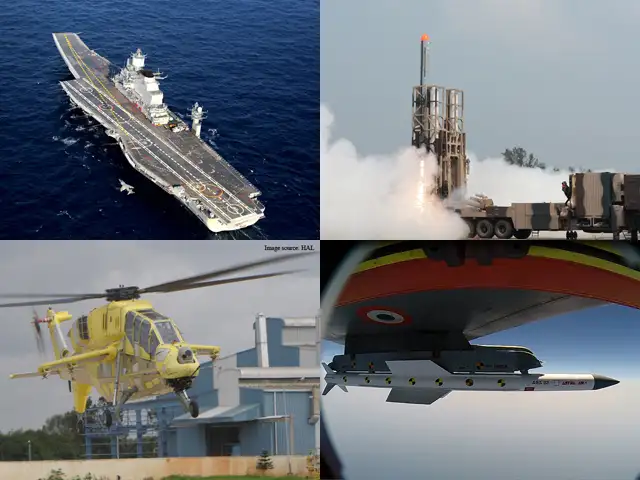
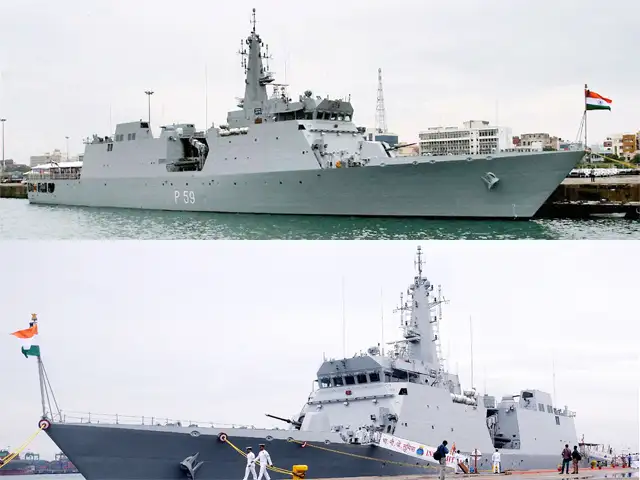
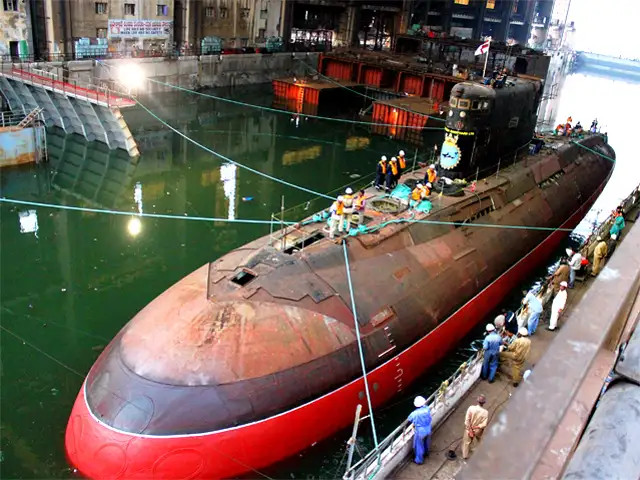
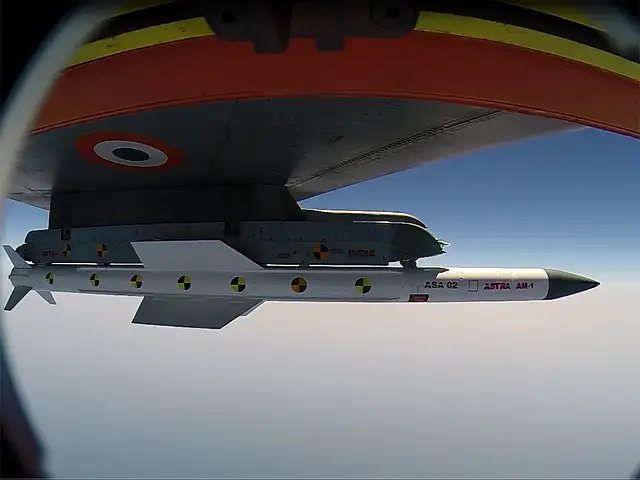
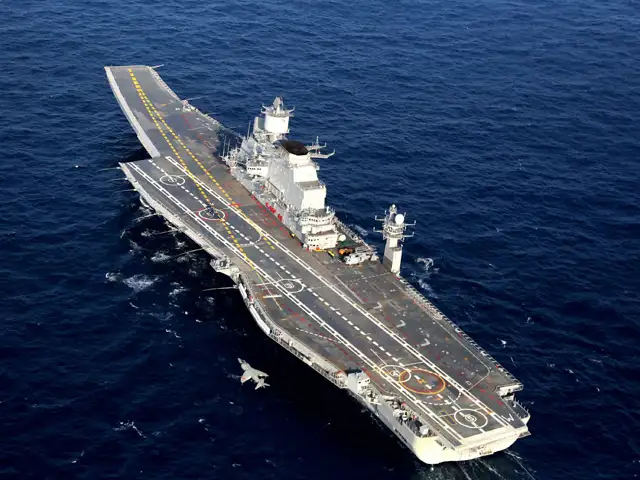
The need to have robust defence capabilities in today's day and age cannot be overstated. India has been aggressively pushing to enhance its ability to deter attacks and up its defence prowess.
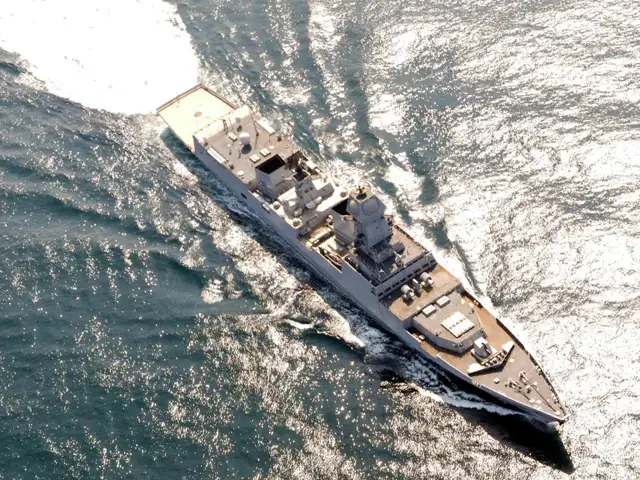
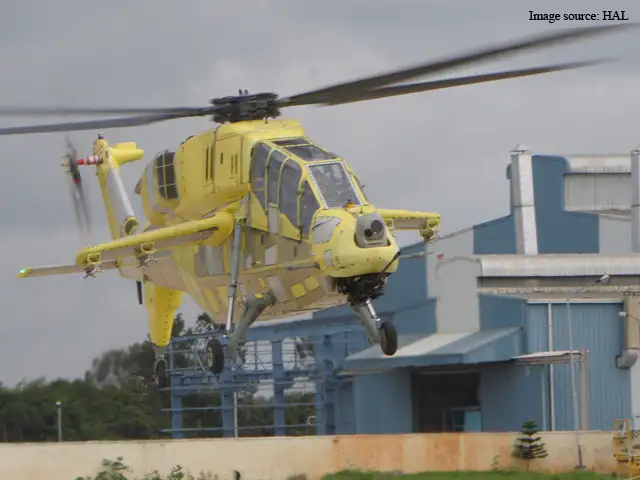
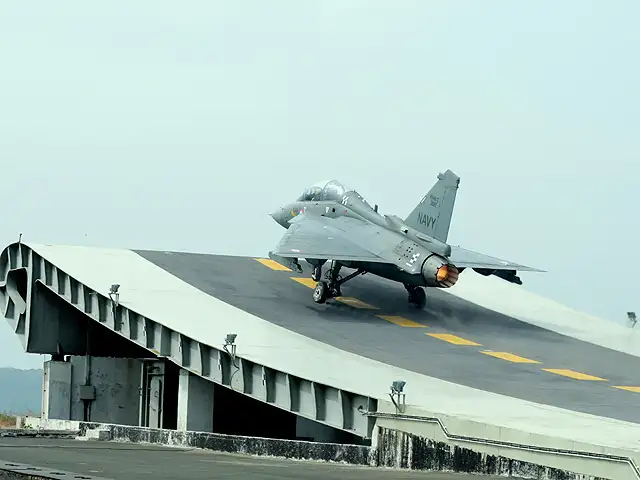
2014 saw multiple steps being taken in that direction and India saw many new additions to its defence fleet. We take a look at eight achievements that deserve a special mention:
The need to have robust defence capabilities in today's day and age cannot be overstated. India has been aggressively pushing to enhance its ability to deter attacks and up its defence prowess.
2014 saw multiple steps being taken in that direction and India saw many new additions to its defence fleet. We take a look at eight achievements that deserve a special mention:

ADVERTISEMENT


