Government appoints Kiran Kumar Alur Seelin as ISRO chairman
The government has appointed Kiran Kumar Alur Seelin, a key figure behind Mangalyaan, as the new Secretary, Department of Space and the ISRO Chief for the next 3 years.
By Aman Sharma, ET Bureau | Updated:

NEW DELHI: The government has appointed Kiran Kumar Alur Seelin, a key figure behind Mangalyaan, as the new Secretary, Department of Space and the ISRO Chief for the next 3 yrs, succeeding K. Radhakrishnan who superannuated on December 31.
Seelin, who was a Director in the Space Application Centre, will be Chairman of the Space Commission and Secretary, Department of Space on re-employment on contract basis for the next three years, an order issued by the Appointments Committee of Cabinet (ACC) said. Radhakrishnan, who was holding these posts, had superannuated on December 31 after being granted a brief extension by the government.
Seelin is credited for leading the team which developed three of the five scientific instruments fitted on the Mars Orbiter Mission satellite. The space scientist was awarded Padma Shri by the government last year.
He joined ISRO in 1975 and has contributed to the design and development of Electro-Optical Imaging Sensors for Airborne, LEO and GEO platform based imaging sensors starting from Bhaskara TV payload to the latest payloads for Chandrayaan-1 missions. He has made very significant contributions in evolving the observation strategy encompassing, Land, Ocean atmospheric and planetary studies.
Seelin has also steered the design and realisation of communication, navigation, microwave and remote-sensing payloads for many satellites. He obtained his B.Sc. (Honours) in Physics and M.Sc. in Electronics from Bangalore University and an M.Tech. in Physical Engineering from the Indian Institute of Science, Bangalore.
Seelin, who was a Director in the Space Application Centre, will be Chairman of the Space Commission and Secretary, Department of Space on re-employment on contract basis for the next three years, an order issued by the Appointments Committee of Cabinet (ACC) said. Radhakrishnan, who was holding these posts, had superannuated on December 31 after being granted a brief extension by the government.
Seelin is credited for leading the team which developed three of the five scientific instruments fitted on the Mars Orbiter Mission satellite. The space scientist was awarded Padma Shri by the government last year.
He joined ISRO in 1975 and has contributed to the design and development of Electro-Optical Imaging Sensors for Airborne, LEO and GEO platform based imaging sensors starting from Bhaskara TV payload to the latest payloads for Chandrayaan-1 missions. He has made very significant contributions in evolving the observation strategy encompassing, Land, Ocean atmospheric and planetary studies.
Seelin has also steered the design and realisation of communication, navigation, microwave and remote-sensing payloads for many satellites. He obtained his B.Sc. (Honours) in Physics and M.Sc. in Electronics from Bangalore University and an M.Tech. in Physical Engineering from the Indian Institute of Science, Bangalore.
Download
The Economic Times Business News App for the Latest News in Business, Sensex, Stock Market Updates & More.
The Economic Times Business News App for the Latest News in Business, Sensex, Stock Market Updates & More.
Download
The Economic Times News App for Quarterly Results, Latest News in ITR, Business, Share Market, Live Sensex News & More.
The Economic Times News App for Quarterly Results, Latest News in ITR, Business, Share Market, Live Sensex News & More.
Related Articles
 N Jayan appointed Director of ISRO's Liquid Propulsion Systems Centre2026-06-27T10:42:05Z
- ISRO fires up advanced rocket engine, marking key milestone in development of new propulsion system2026-06-27T06:22:22Z
- ISRO invites proposals from Indian researchers to study XPoSat Mission data2026-06-22T14:00:48Z
Text: PTI
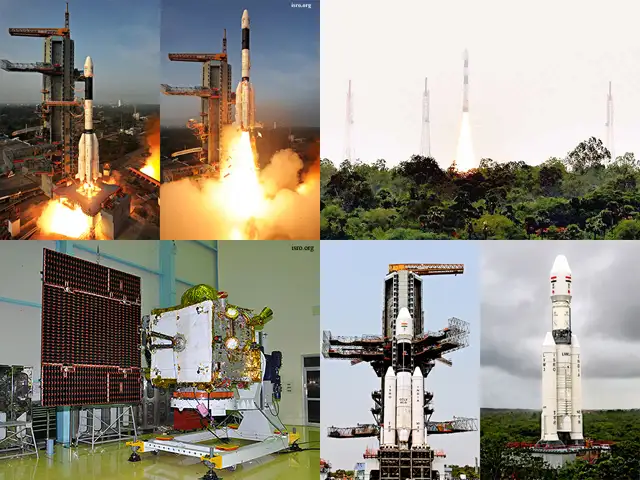
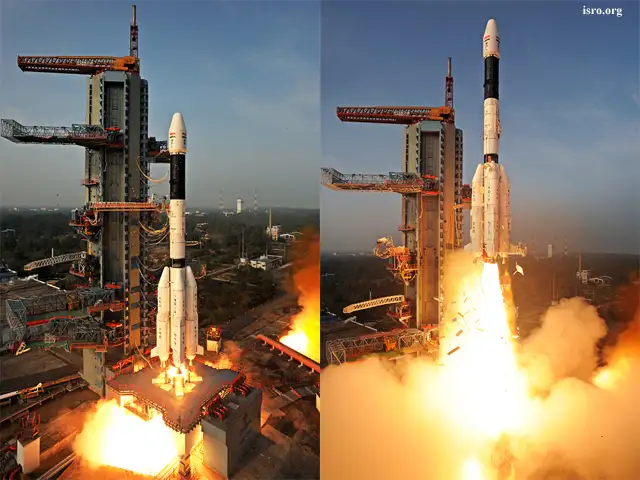
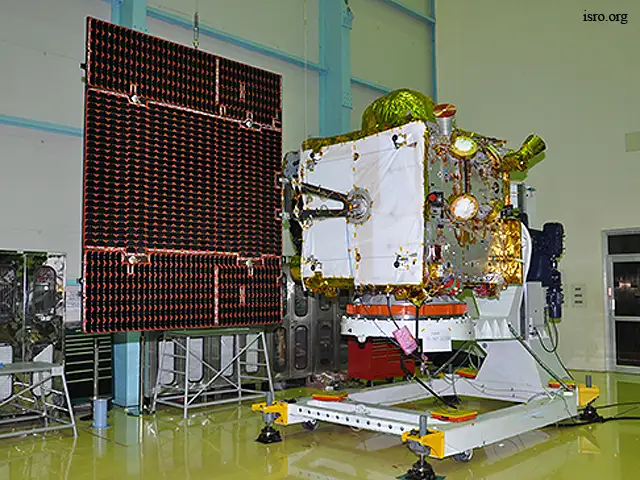
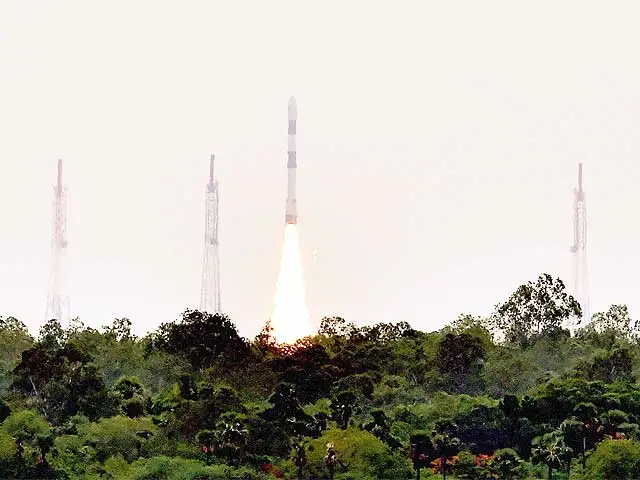
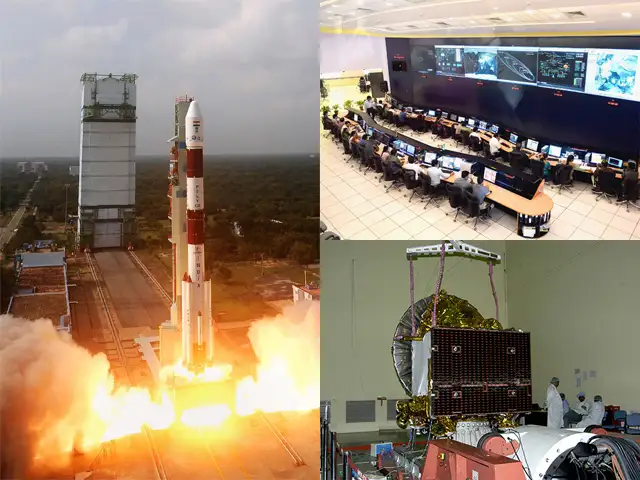
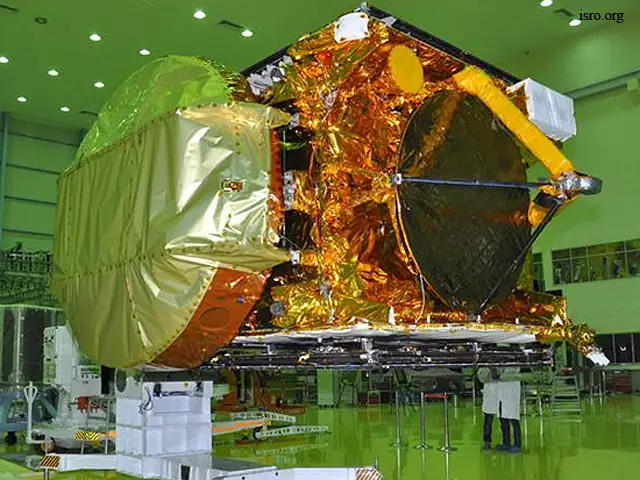
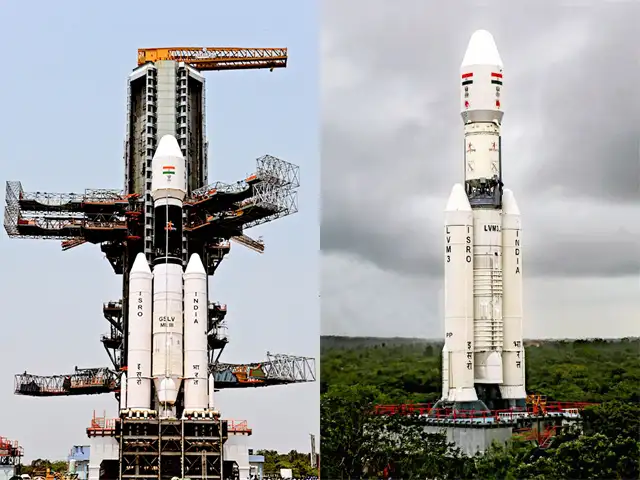
With IRSO succeeding in its first inter-planetary Mars Orbiter Mission making India the only country to achieve this feat in its maiden attempt, 2014 was not only momentous but a very busy year for the space sector.
We take a look at six special milestones that ISRO achieved:
With IRSO succeeding in its first inter-planetary Mars Orbiter Mission making India the only country to achieve this feat in its maiden attempt, 2014 was not only momentous but a very busy year for the space sector.
We take a look at six special milestones that ISRO achieved:

ADVERTISEMENT


