DRDO needs to be agile, focused: Experts
Reshaping DRDO into a cutting-edge military research agency has been a demand of the military for years, and recommendations of many committees that have looked at it.
By TNN | Updated:

NEW DELHI: Many observers within the military and outside are hoping that the defence ministry's decision to sack the DRDO chief will lead to the reorientation of the agency to do focused, cutting-edge military research.
They are hoping that DRDO will shed the many unnecessary researches and labs and be reshaped on the lines of the Defence Advanced Research Projects Agency (DARPA) of the US. DARPA has had impressive successes in military research by having an agile, small and focused team.
Reshaping DRDO into a cutting-edge military research agency on the lines of DARPA has been a demand of the military for years, and recommendations of many expert committees that have looked at it.
Military officers argue that the modernization of DRDO has been held up by a host of factors, mostly because of lack of political will power. "Now that the government has shown its intent to improve DRDO, it must go the full hog," one senior military officer said.
He pointed out that the Vijay Kelkar committee report, which flowed from the post-Kargil conflict reforms, had recommended that DRDO focus sharply on cutting edge technology researches. "By the time Rama Rao committee report (which looked at DRDO specifically as suggested by Kelkar committee) came a few years later, the recommendations had been diluted. When we began to implement Rama Rao committee report, it was further diluted," the officer said. "We are now almost back to where we were originally," he added.
The Rama Rao committee had recommended several measures including de-centralization of DRDO management and making it a leaner organization. It had recommended merging of some laboratories with other government-funded institutions, rationalization of manpower etc. However, many of its recommendations have remained on paper.
Another military officer argued that DRDO should stop re-inventing the wheel, and also end the habit of dragging on with unsuccessful projects. "One thing that DRDO need to do is to learn to pick up successful technologies and good lessons from a project that is way behind schedule, and move on to next one," he said.
"Instead, we have been hanging on with projects like LCA (light combat aircraft), Arjun tank, Kaveri jet engines etc for years," he pointed out. All of them have been running way behind schedule, have not met the demands of the services and continue to drain the military budget.
DARPA has played a key role in developing a host of military technologies, many of them with dramatic impact on civilian life. Its role is to ensure that the US military technology remains more sophisticated than that of potential rivals, and prevent technological surprises. With a few hundred employees, it operates with agility, engaging private sector and quickly cutting its losses and moving forward. DRDO, in turn, has over 33,000 personnel, including over 7,800 scientists, 13,370 technicians, and 52 laboratories, working on almost everything from juices to nuclear-capable missiles.
They are hoping that DRDO will shed the many unnecessary researches and labs and be reshaped on the lines of the Defence Advanced Research Projects Agency (DARPA) of the US. DARPA has had impressive successes in military research by having an agile, small and focused team.
Reshaping DRDO into a cutting-edge military research agency on the lines of DARPA has been a demand of the military for years, and recommendations of many expert committees that have looked at it.
Military officers argue that the modernization of DRDO has been held up by a host of factors, mostly because of lack of political will power. "Now that the government has shown its intent to improve DRDO, it must go the full hog," one senior military officer said.
He pointed out that the Vijay Kelkar committee report, which flowed from the post-Kargil conflict reforms, had recommended that DRDO focus sharply on cutting edge technology researches. "By the time Rama Rao committee report (which looked at DRDO specifically as suggested by Kelkar committee) came a few years later, the recommendations had been diluted. When we began to implement Rama Rao committee report, it was further diluted," the officer said. "We are now almost back to where we were originally," he added.
The Rama Rao committee had recommended several measures including de-centralization of DRDO management and making it a leaner organization. It had recommended merging of some laboratories with other government-funded institutions, rationalization of manpower etc. However, many of its recommendations have remained on paper.
ADVERTISEMENT
Another military officer argued that DRDO should stop re-inventing the wheel, and also end the habit of dragging on with unsuccessful projects. "One thing that DRDO need to do is to learn to pick up successful technologies and good lessons from a project that is way behind schedule, and move on to next one," he said.
"Instead, we have been hanging on with projects like LCA (light combat aircraft), Arjun tank, Kaveri jet engines etc for years," he pointed out. All of them have been running way behind schedule, have not met the demands of the services and continue to drain the military budget.
DARPA has played a key role in developing a host of military technologies, many of them with dramatic impact on civilian life. Its role is to ensure that the US military technology remains more sophisticated than that of potential rivals, and prevent technological surprises. With a few hundred employees, it operates with agility, engaging private sector and quickly cutting its losses and moving forward. DRDO, in turn, has over 33,000 personnel, including over 7,800 scientists, 13,370 technicians, and 52 laboratories, working on almost everything from juices to nuclear-capable missiles.
Download
The Economic Times Business News App for the Latest News in Business, Sensex, Stock Market Updates & More.
The Economic Times Business News App for the Latest News in Business, Sensex, Stock Market Updates & More.
Download
The Economic Times News App for Quarterly Results, Latest News in ITR, Business, Share Market, Live Sensex News & More.
The Economic Times News App for Quarterly Results, Latest News in ITR, Business, Share Market, Live Sensex News & More.
Related Articles
 India enters elite ballistic missile club after DRDO conducts three successful flight tests2026-06-13T03:06:34Z
- DRDO's Netra Airborne Early Warning and Control aircraft to get final operational clearance on June 252026-06-12T10:54:19Z
- DRDO, IAF successfully test RudraM-II air-to-surface missile from Su-30MKI fighter; hits target with pin-point accuracy2026-06-02T14:02:40Z

Economictimes.com & Agencies
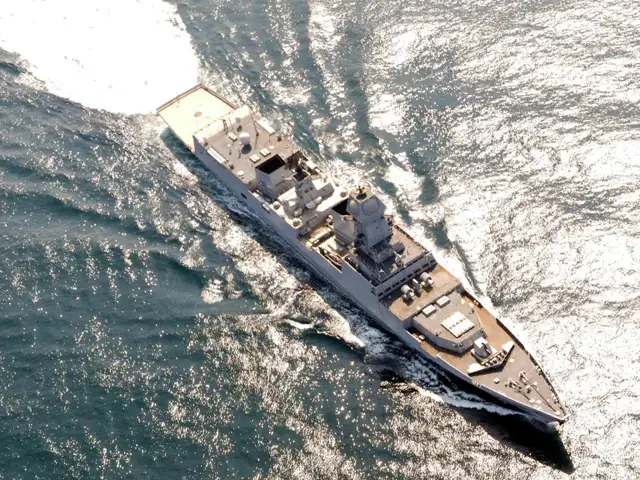
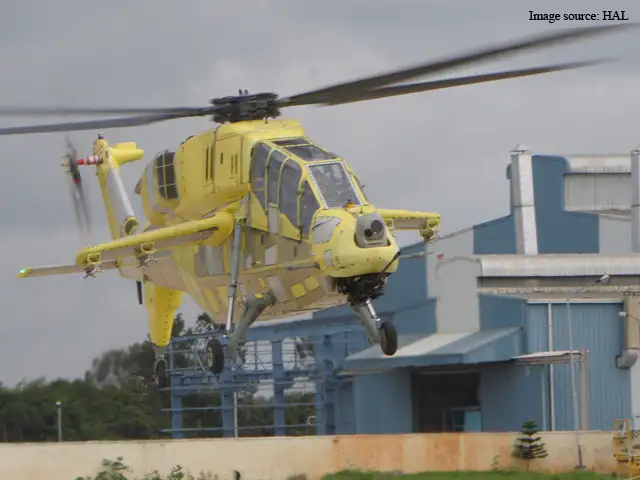
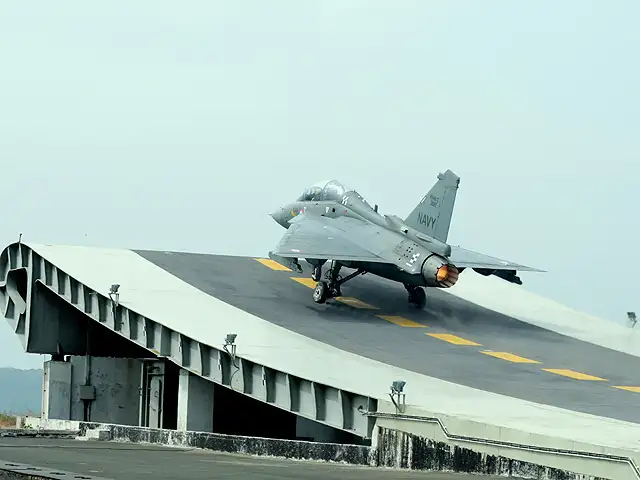
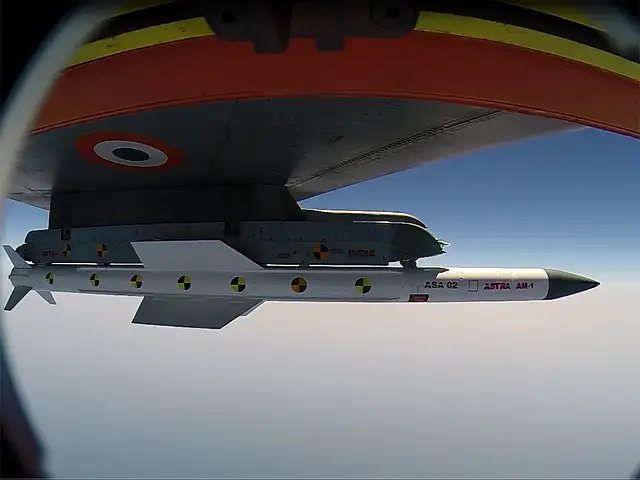
The need to have robust defence capabilities in today's day and age cannot be overstated. India has been aggressively pushing to enhance its ability to deter attacks and up its defence prowess.
2014 saw multiple steps being taken in that direction and India saw many new additions to its defence fleet. We take a look at eight achievements that deserve a special mention:
The need to have robust defence capabilities in today's day and age cannot be overstated. India has been aggressively pushing to enhance its ability to deter attacks and up its defence prowess.
2014 saw multiple steps being taken in that direction and India saw many new additions to its defence fleet. We take a look at eight achievements that deserve a special mention:




ADVERTISEMENT


