Don't rest after victory, failure just an attempt at learning: A P J Abdul Kalam
"If you fail, never give up because F.A.I.L. means "first Attempt In Learning"; End is not the end, if fact E.N.D. means "Effort Never Dies", he said.
By PTI | Updated:

NEW DELHI: "Don't take rest after your first victory because if you fail in second, more lips are waiting to say that your first victory was just luck." These were the words of late President A P J Abdul Kalam which he lived by till the last moment.
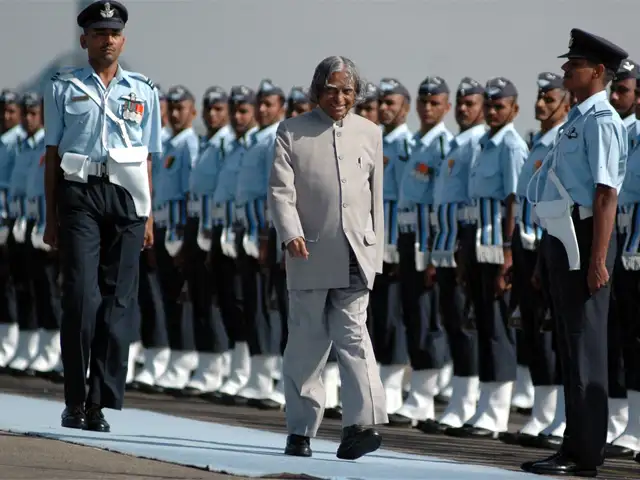
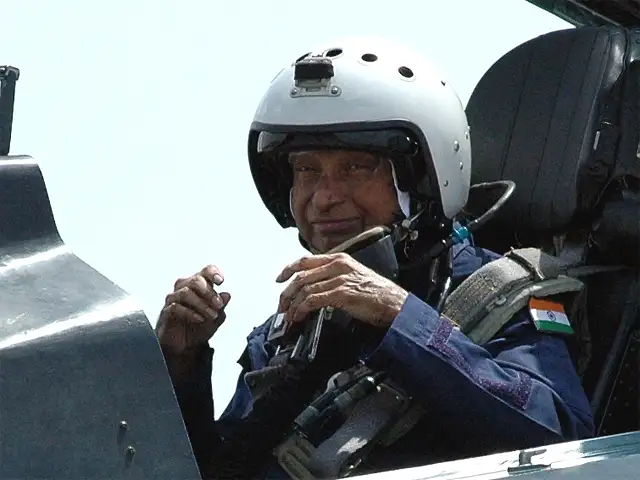
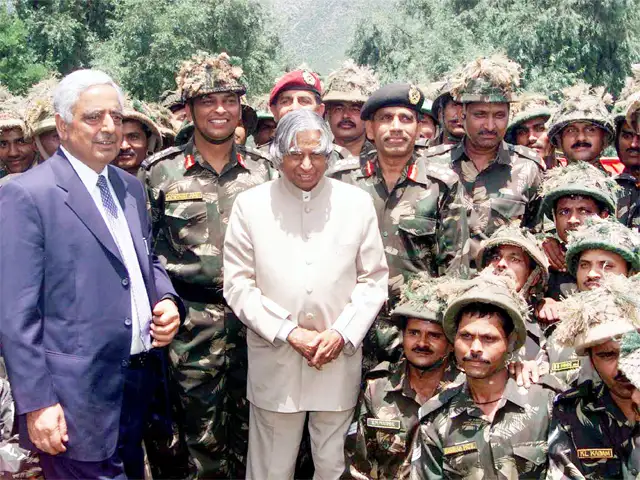
83-year-old Kalam, who collapsed while delivering a lecture at IIM, Shillong, and died, was a daring President who undertook a submarine sortie, flew Sukhoi jet, visited Siachen glacier, world's highest battlefield and interacted with troops at the Line of Control.
But probably none as daring as a night-time flight from Aizawl airport that took off after the runway was illuminated with lanterns and torches.
This occurred one evening in 2005 when Kalam, always wearing a genial smile, had completed all his official engagements during his visit to Mizoram and was scheduled to leave the next morning. But a restless Kalam decided to take off for Delhi at night, one of his senior aides recalled.
The local IAF station's head was summoned and informed of the President's wish to fly to the national capital as his work in Mizoram was over.
"But there are no facilities for taking off from the airport at night," the IAF official said, thinking the matter was settled.
However, his explanation did not cut ice with Kalam, who retorted: "What if there is an emergency? Will the IAF wait for the morning? Tell them I have to take off and all necessary arrangements should be made."
His aides went to the IAF official and conveyed the message from Kalam, who as President was also the supreme commander of the armed forces.
The IAF commander immediately got in touch with his seniors in Delhi, who did not come to his rescue and instead asked him to comply with the orders of the "missile man".
Finally, Kalam had his way and IAF personnel lit up the runway with lanterns, flaming torches and bonfires to facilitate the take-off, the aide said.
President's aides too were concerned about his decision to take off at night from an airport that had only basic equipment and privately asked IAF officials whether such a flight would be safe.
The answer from an IAF official was enough to send a chill down their spines -- "you can take off but there may be some problems if you have to return".
At around 9 pm, the Presidential Boeing took off with Kalam and his entourage of 22.
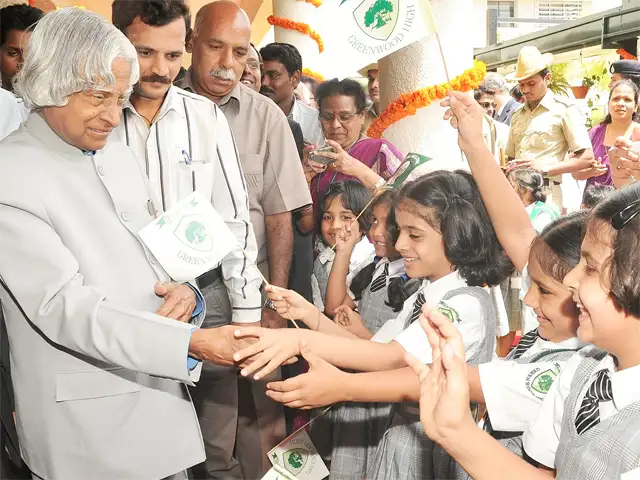
"If you fail, never give up because F.A.I.L. means "first Attempt In Learning"; End is not the end, in fact E.N.D. means "Effort Never Dies"; If you get No as an answer, remember N.O. means "Next Opportunity". So Let's be positive," was another quote that he often used to mention in his pep talks to university and school students.
Immediately after he became the 11th President, Vice President Krishna Kant suffered a heart attack and was admitted to AIIMS. His first visitor was Kalam, who was dressed in blue shirt and Khaki pants. This was probably the Kalam's first engagement after taking office.
83-year-old Kalam, who collapsed while delivering a lecture at IIM, Shillong, and died, was a daring President who undertook a submarine sortie, flew Sukhoi jet, visited Siachen glacier, world's highest battlefield and interacted with troops at the Line of Control.
But probably none as daring as a night-time flight from Aizawl airport that took off after the runway was illuminated with lanterns and torches.
This occurred one evening in 2005 when Kalam, always wearing a genial smile, had completed all his official engagements during his visit to Mizoram and was scheduled to leave the next morning. But a restless Kalam decided to take off for Delhi at night, one of his senior aides recalled.
The local IAF station's head was summoned and informed of the President's wish to fly to the national capital as his work in Mizoram was over.
"But there are no facilities for taking off from the airport at night," the IAF official said, thinking the matter was settled.
ADVERTISEMENT
However, his explanation did not cut ice with Kalam, who retorted: "What if there is an emergency? Will the IAF wait for the morning? Tell them I have to take off and all necessary arrangements should be made."
His aides went to the IAF official and conveyed the message from Kalam, who as President was also the supreme commander of the armed forces.
The IAF commander immediately got in touch with his seniors in Delhi, who did not come to his rescue and instead asked him to comply with the orders of the "missile man".
Finally, Kalam had his way and IAF personnel lit up the runway with lanterns, flaming torches and bonfires to facilitate the take-off, the aide said.
ADVERTISEMENT
President's aides too were concerned about his decision to take off at night from an airport that had only basic equipment and privately asked IAF officials whether such a flight would be safe.
The answer from an IAF official was enough to send a chill down their spines -- "you can take off but there may be some problems if you have to return".
ADVERTISEMENT
At around 9 pm, the Presidential Boeing took off with Kalam and his entourage of 22.
"If you fail, never give up because F.A.I.L. means "first Attempt In Learning"; End is not the end, in fact E.N.D. means "Effort Never Dies"; If you get No as an answer, remember N.O. means "Next Opportunity". So Let's be positive," was another quote that he often used to mention in his pep talks to university and school students.
Immediately after he became the 11th President, Vice President Krishna Kant suffered a heart attack and was admitted to AIIMS. His first visitor was Kalam, who was dressed in blue shirt and Khaki pants. This was probably the Kalam's first engagement after taking office.
Download
The Economic Times Business News App for the Latest News in Business, Sensex, Stock Market Updates & More.
The Economic Times Business News App for the Latest News in Business, Sensex, Stock Market Updates & More.
Download
The Economic Times News App for Quarterly Results, Latest News in ITR, Business, Share Market, Live Sensex News & More.
The Economic Times News App for Quarterly Results, Latest News in ITR, Business, Share Market, Live Sensex News & More.
Related Articles
 Life Advice of the Day by the 'Missile Man of India' Dr. A.P.J. Abdul Kalam: 'Dream, Dream, Dream...' – The incredible power of turning thoughts into action2026-06-03T20:44:53Z
- A P J Abdul Kalam will always remain an inspiration to every Indian: VP Naidu2020-10-15T07:38:29Z
- PM Modi pays tribute to former president A P J Abdul Kalam on his 89th birth anniversary2020-10-15T07:34:34Z
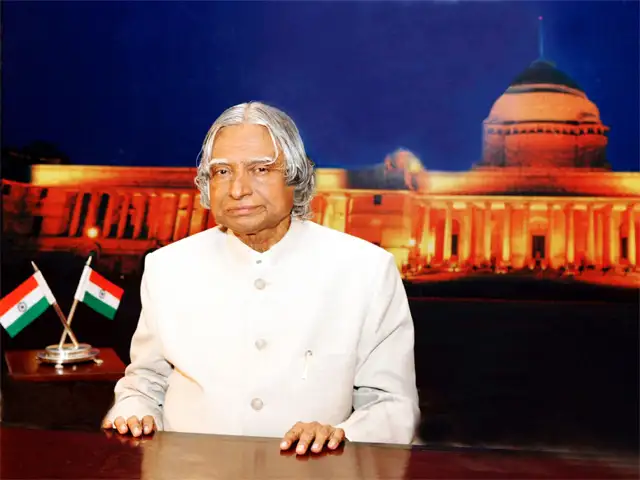
Text: PTI, TNN
Popularly called the "Missile Man" of India, Dr APJ Abdul Kalam rose from humble beginnings and earned the reputation of being the "people's President" who endeared himself to all sections, especially the young.
A devout Muslim and son of a boatowner, Avul Pakir Jainulabdeen Abdul Kalam, who assumed office as the 11th President on July 18, 2002, was seen as a figurehead who could help heal some of the scars of the communal riots which broke out in Gujarat just a few months before.
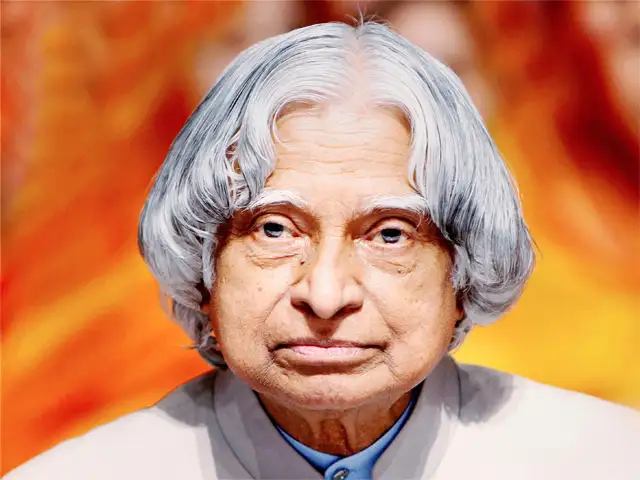
The country's first bachelor President, Kalam, whose flowing grey hair is seen as being at odds with what Indians thought a president ought to look like, was one amongst the most respected people of the country who contributed immensely both as a scientist and as a president.
On July 27, India's Missile Man-turned-People's President went as suddenly-at a youthful 83-as he had arrived centre stage to become a national icon.
Kalam collapsed while delivering a lecture at the Indian Institute of Management, Shillong at around 6.30pm. He was rushed to Bethany Hospital but the doctors couldn't save him. His body is being flown to Delhi this morning.
Popularly called the "Missile Man" of India, Dr APJ Abdul Kalam rose from humble beginnings and earned the reputation of being the "people's President" who endeared himself to all sections, especially the young.
A devout Muslim and son of a boatowner, Avul Pakir Jainulabdeen Abdul Kalam, who assumed office as the 11th President on July 18, 2002, was seen as a figurehead who could help heal some of the scars of the communal riots which broke out in Gujarat just a few months before.
The country's first bachelor President, Kalam, whose flowing grey hair is seen as being at odds with what Indians thought a president ought to look like, was one amongst the most respected people of the country who contributed immensely both as a scientist and as a president.
On July 27, India's Missile Man-turned-People's President went as suddenly-at a youthful 83-as he had arrived centre stage to become a national icon.
Kalam collapsed while delivering a lecture at the Indian Institute of Management, Shillong at around 6.30pm. He was rushed to Bethany Hospital but the doctors couldn't save him. His body is being flown to Delhi this morning.

ADVERTISEMENT


