
Delhi Elections 2020: Mr CM takes on BJP nationalism
1/7
Delhi & its political dynamics
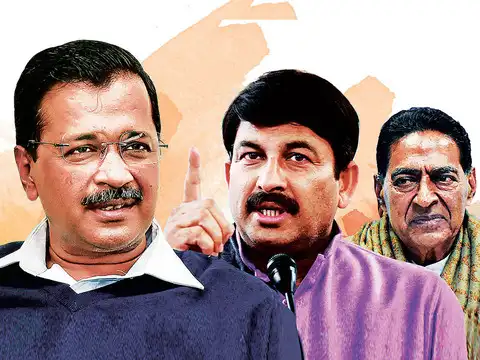
It is just a city-state that sends seven members to Parliament but Delhi holds far greater political significance -- one that goes beyond its numerical strength. For chief minister Arvind Kejriwal’s Aam Aadmi Party, the upcoming assembly election is a test of his credentials as a head of a city government as opposed to the firebrand anti-corruption activist who stormed to power five years ago. For the BJP, it’s mainly about the efficacy of the ‘ anti-Shaheen Bagh’ nationalism pitch, while for the Congress it’s tough balancing act between remaining politically relevant in a state it ruled for 15 years and sufficiently “irrelevant” to not let the anti-BJP vote splinter to its national opponent’s benefit. As Delhi prepares to vote on Saturday, ET explains the diverse political dynamics that impact this fast-growing city-state – region by region.
2/7
South Delhi: The game changer
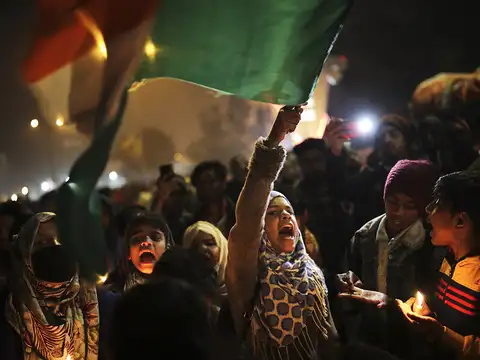
Home to a large number of well-heeled residents, a section that is not usually considered electorally significant, this region has grabbed attention in the run-up to the election as the epicentre of public protest against the Citizenship Amendment Act (CAA). A sit-in by a small group of women at Shaheen Bagh near Jamia Millia in Muslim-dominated Okhla assembly constituency has, perhaps inadvertently, provided much fodder to the BJP, which has accused both the AAP and Congress of misleading people against the CAA.
3/7
The religious angle
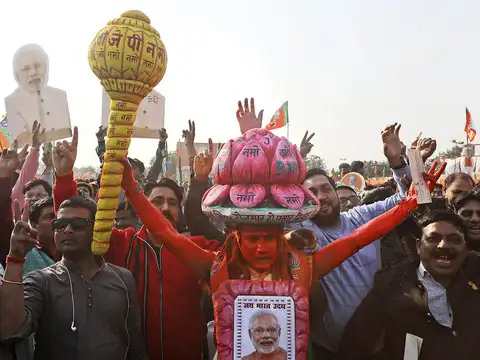
Religious identity has become a factor in a Delhi election for the first time since 2008, when the assembly polls were fought right after the 26/11 Mumbai terrorist attacks. The BJP had put out advertisements in newspapers at the time, blaming the then Congress-led UPA government for being soft on terrorism, alluding to its alleged policy of appeasement of the minority community. Delhi, however, gave a third term to Dikshit, with the Congress winning 43 seats and the BJP 23. Yet, in 2014, BJP won all the Lok Sabha seats in a Modi wave. Come 2015, though, and AAP swept all 14 segments.
Amazon Top Deals
POWERED BY

Crompton Ozone 75 Litres Desert Air Cooler for home | Large & Easy Clean Ice Chamber | 4-Way Air Deflection | High Density Honeycomb Pads | Everlast Pump | Auto Fill| 3 Year Brand Warranty
₹9,798Buy Now43%
OFF

LG 32 L Convection Microwave Oven (MC3286BRUM, Black, 360° Motorised Rotisserie for Bar-be-queing, 301 Auto Cook Menu, Stainless steel cavity, Indian Cuisine, Tandoor Se, Steam Clean & Diet Fry)
₹18,780Buy Now22%
OFF
4/7
West Delhi: The angry trading community
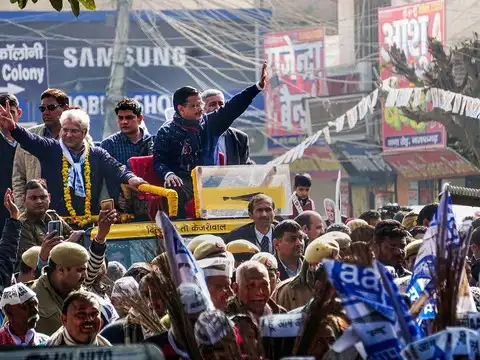
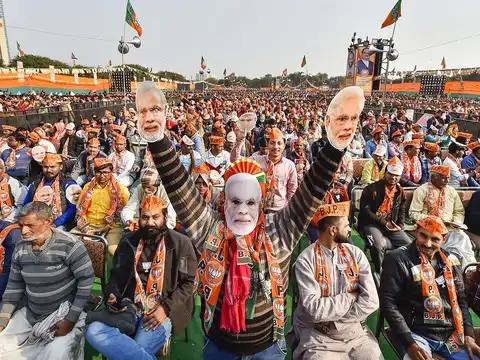
The region is dominated by the trading community of Delhi, a traditional vote bank of the BJP, which is currently angry over sealing operations conducted by the Supreme Courtappointed monitoring committee. BJP is hoping for union budget initiatives to somewhat calm them. How much can AAP tap into this sentiment would decide who wins a bulk of constituencies in this area. AAP has been working to win over this community. Small meetings in every market and GST committees to handhold traders at the time of introduction of the new taxation regime have gone a long way in endearing the party to the small businessmen.
5/7
Outer Delhi: The rural vote
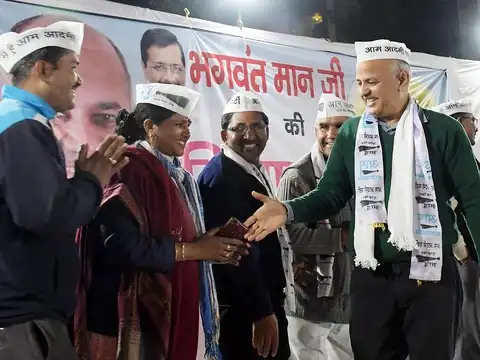
Close to south Delhi and on the Delhi-Haryana border, the largely rural constituencies of Outer Delhi have mostly seen voting on caste lines and in favour of community leaders, irrespective of political lineage. Outer Delhi’s Mundka is often termed former BJP chief minister Sahib Singh Verma’s karmabhoomi (the land where he worked). But AAP has worked extensively over the past five years to make inroads into the area with sops like Rs 20,000 per acre compensation for damaged crops. Kejriwal is relying on the popular connect of his trusted Transport minister and Najafgarh MLA Kailash Gahlot. But by now, the Shaheen bagh effect has also begun to take root.
6/7
East Delhi: The crucial middle class
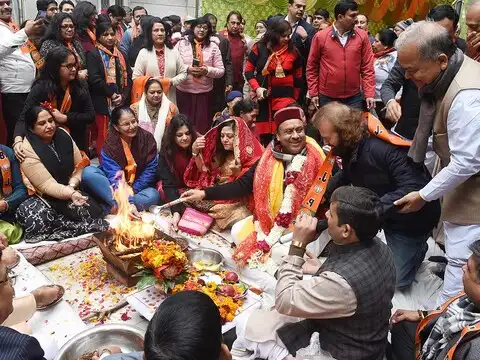
East Delhi – or Jamuna paar (beyond Yamuna), as many people call it – is where the AAP is entangled in tough three-cornered fights, with even the Congress fielding formidable candidates. The BJP is a major contender here as even in the 2015 AAP wave, two of the three BJP MLAs (Mustafabad and Vishwas Nagar) had won here. Constituencies close to the Uttar Pradesh border have a mix of the middle class, newly settled Purvanchalis and Muslim voters. While the BJP has made serious inroads into the Purvanchali segment, AAP is counting on the middle-class voters. Deputy chief minister and education minister Manish Sisodia’s candidature from Patparganj gives a leg-up to the party. The government’s initiatives in education and health are major talking points here.
7/7
North Delhi: The traditional voters
This region has Delhi’s old-money neighbourhoods such as Civil Lines and Model Town as well as resettlement colonies on the outskirts. Access to basic facilities such as water, power, education and proper bus service have been major election issues here. While the Congress has traditionally been strong on the outskirts of Delhi, AAP has been working assiduously on people living in the resettlement colonies. In the run-up to the polling on Saturday, the area is witnessing hectic political activity, with BJP MPs from across India spending time in areas such as Bawana, Rithala, Badli, Burari and Narela.