Defence minister Manohar Parrikar orders coastal security survey to identify isolated spots
Manohar Parrikar has decided to set up a dedicated marine police force and to survey all landing points along the entire Indian coastline to identify isolated spots.
By Rajesh Ramachandran, ET Bureau |

NEW DELHI: Defence Minister Manohar Parrikar held a review of coastal security on Tuesday, deciding to set up a dedicated marine police force and to survey all landing points along the entire Indian coastline to identify isolated spots, which could be used for landing arms and explosives and also for infiltration of terrorist and criminal elements. National Security Advisor, Cabinet Secretary, the Navy chief, secretaries of home, petroleum, fisheries, shipping and the Coast Guard chief were invited for the meeting.
The review was primarily over issues that were flagged by the Cabinet Committee on Security after the 26/11 Mumbai attack and are still being implemented. One of the important decisions was to explore possibilities to set up a marine police force.
Initially, the Centre had suggested recruiting ex-servicemen, but “after deliberation it was felt that a dedicated marine police personnel to work on regular basis be created by the states/UTs... a dedicated marine battalion of 1000-2000 personnel on the lines of “creek crocodile” being raised by BSF to guard the creek area of Gujarat is being explored,” says a note prepared for the review meeting.
The government has decided to set up a national marine police training centre and also regional training centres. Earlier, home minister Rajnath Singh had announced a marine police training institute at Dwaraka in Gujarat. The Centre had asked the states to review the status of non-notified landing points and present a consolidated list of such landing points by October 31, last year. Only 11 states have responded so far.
The landing points on nondescript islands and remote uninhabited pockets on the sea shore have for long been a major challenge for those securing the coast. According to the note, “India’s long coast line presents a variety of security concerns that include landing of arms and explosives at isolated spots on the coast, infiltration/exfiltration of anti-national elements, use of the sea and off shore islands for criminal activities.”
The review was primarily over issues that were flagged by the Cabinet Committee on Security after the 26/11 Mumbai attack and are still being implemented. One of the important decisions was to explore possibilities to set up a marine police force.
Initially, the Centre had suggested recruiting ex-servicemen, but “after deliberation it was felt that a dedicated marine police personnel to work on regular basis be created by the states/UTs... a dedicated marine battalion of 1000-2000 personnel on the lines of “creek crocodile” being raised by BSF to guard the creek area of Gujarat is being explored,” says a note prepared for the review meeting.
The government has decided to set up a national marine police training centre and also regional training centres. Earlier, home minister Rajnath Singh had announced a marine police training institute at Dwaraka in Gujarat. The Centre had asked the states to review the status of non-notified landing points and present a consolidated list of such landing points by October 31, last year. Only 11 states have responded so far.
The landing points on nondescript islands and remote uninhabited pockets on the sea shore have for long been a major challenge for those securing the coast. According to the note, “India’s long coast line presents a variety of security concerns that include landing of arms and explosives at isolated spots on the coast, infiltration/exfiltration of anti-national elements, use of the sea and off shore islands for criminal activities.”
Download
The Economic Times Business News App for the Latest News in Business, Sensex, Stock Market Updates & More.
The Economic Times Business News App for the Latest News in Business, Sensex, Stock Market Updates & More.
Download
The Economic Times News App for Quarterly Results, Latest News in ITR, Business, Share Market, Live Sensex News & More.
The Economic Times News App for Quarterly Results, Latest News in ITR, Business, Share Market, Live Sensex News & More.
Related Articles
 Israeli defence minister says 'no US demand' to withdraw from Lebanon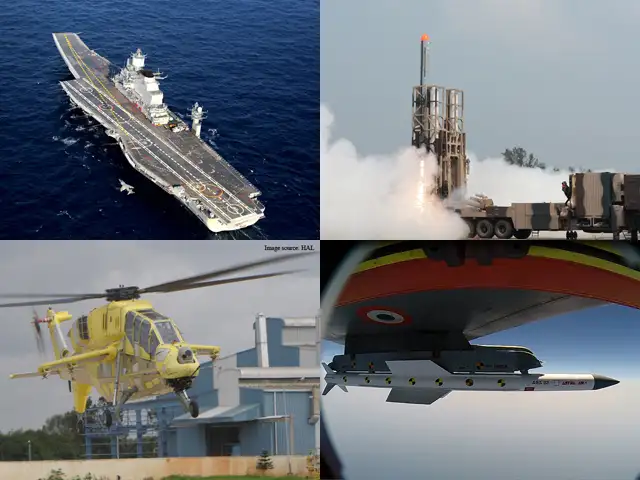
Economictimes.com & Agencies
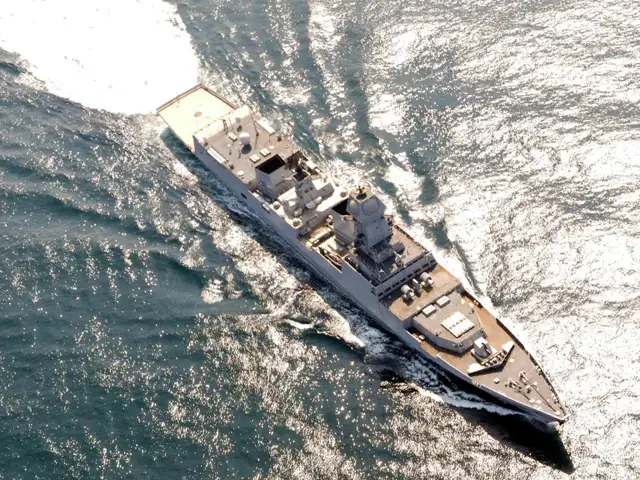
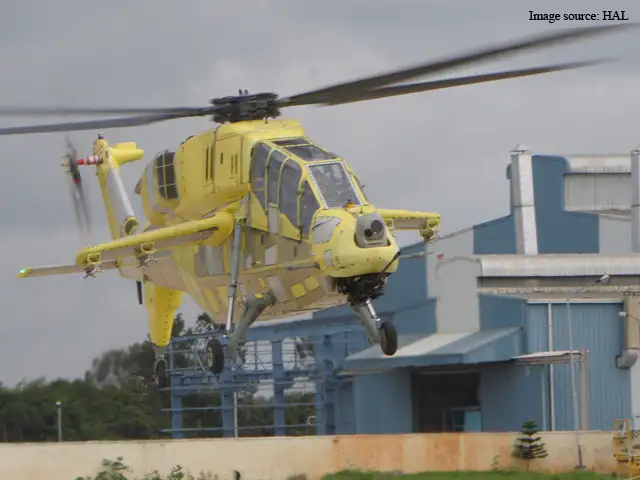
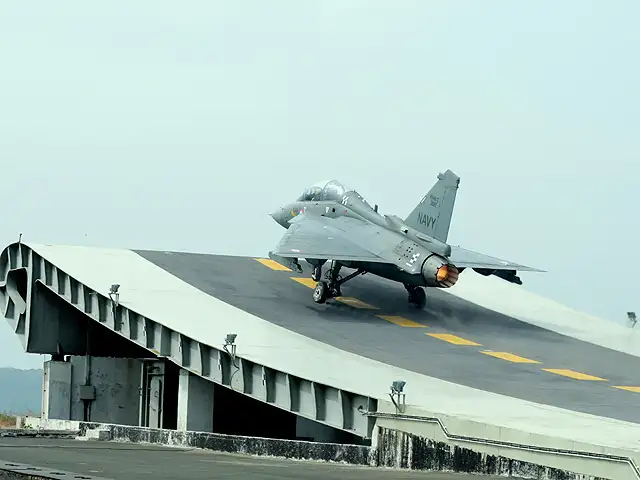
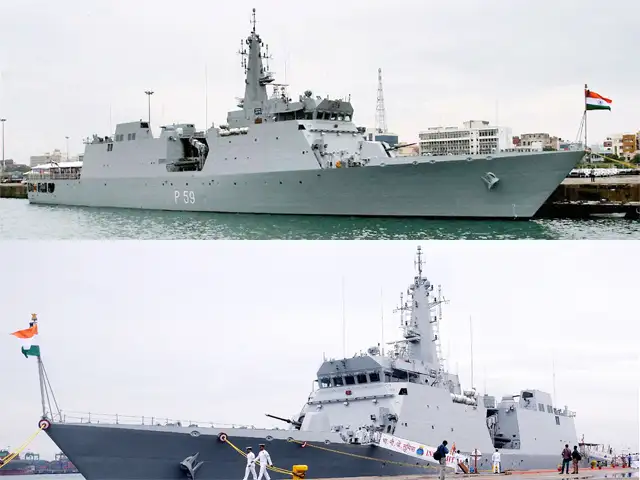
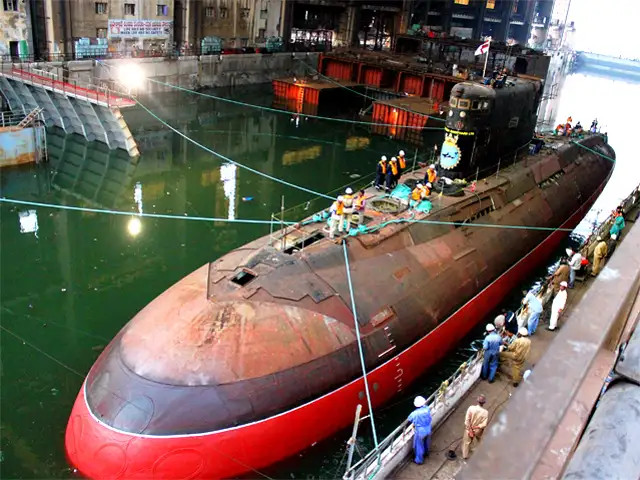
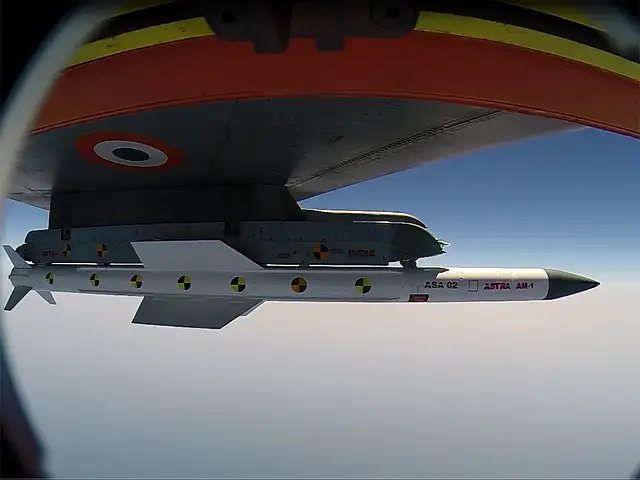
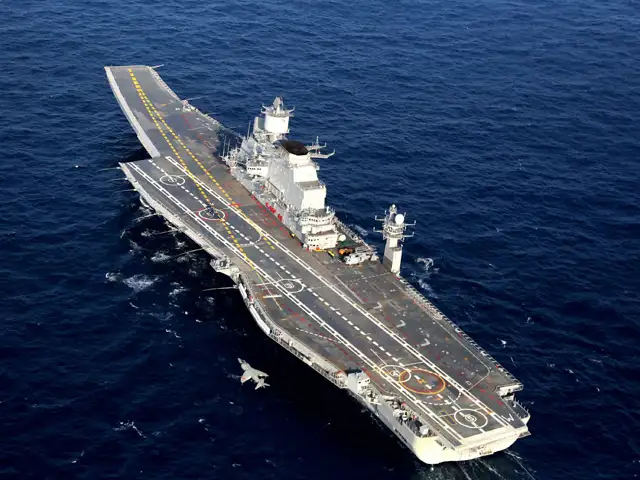
The need to have robust defence capabilities in today's day and age cannot be overstated. India has been aggressively pushing to enhance its ability to deter attacks and up its defence prowess.
2014 saw multiple steps being taken in that direction and India saw many new additions to its defence fleet. We take a look at eight achievements that deserve a special mention:
The need to have robust defence capabilities in today's day and age cannot be overstated. India has been aggressively pushing to enhance its ability to deter attacks and up its defence prowess.
2014 saw multiple steps being taken in that direction and India saw many new additions to its defence fleet. We take a look at eight achievements that deserve a special mention:

ADVERTISEMENT


