Death of Atal Bihari Vajpayee end of an era; it's a personal loss for me: PM Modi

The PM said that it was Vajpayee's exemplary leadership that set the foundations for a strong, prosperous and inclusive India in the 21st century.

BCCL
Vajpayee died at the AIIMS hospital here this evening at the age of 93 following prolonged illness.
NEW DELHI: Prime Minister Narendra Modi today said the passing away of former prime minister Atal Bihari Vajpayee marks the end of an era and termed it as a "personal and irreplaceable" loss for him.

He said the BJP patriarch lived for the nation and served it assiduously for decades while noting that it was Vajpayee's exemplary leadership that set the foundations for a strong, prosperous and inclusive India in the 21st century.

Vajpayee died at the AIIMS hospital here this evening at the age of 93 following prolonged illness.


"Atal Ji's passing away is a personal and irreplaceable loss for me. I have countless fond memories with him. He was an inspiration to Karyakartas like me. I will particularly remember his sharp intellect and outstanding wit.

"It was Atal Ji's exemplary leadership that set the foundations for a strong, prosperous and inclusive India in the 21st century. His futuristic policies across various sectors touched the lives of each and every citizen of India," Modi tweeted.


ADVERTISEMENT


He said it was due to Vajpayee's perseverance and struggles that the BJP was built brick by brick.
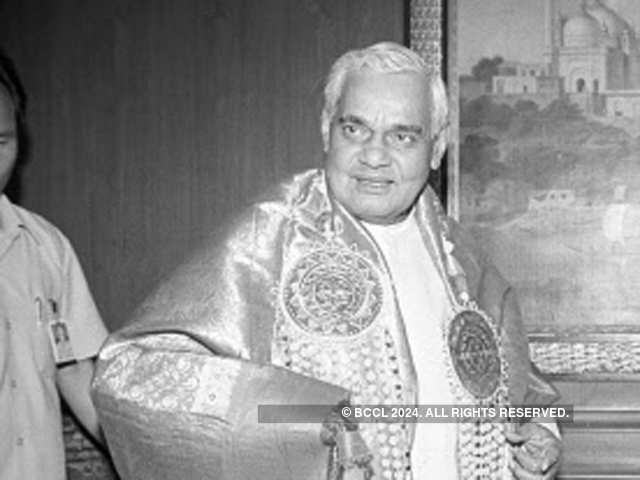
7 things to know about Atal Bihari Vajpayee
1/7

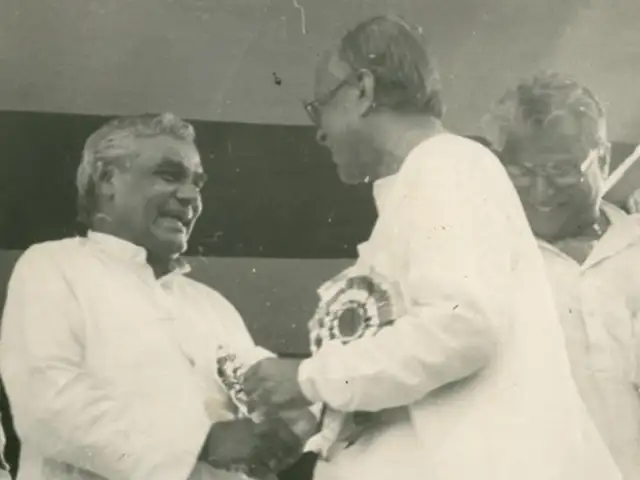
Born in a humble school teacher's family on December 25, 1924, in Gwalior Madhya Pradesh, Vajpayee entered politics during the Quit India movement in 1942. He did his graduation and post graduation in Political Science from Victoria College in Gwalior.
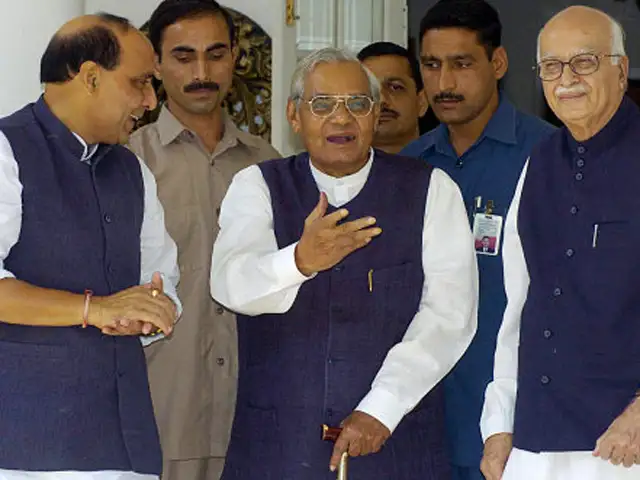
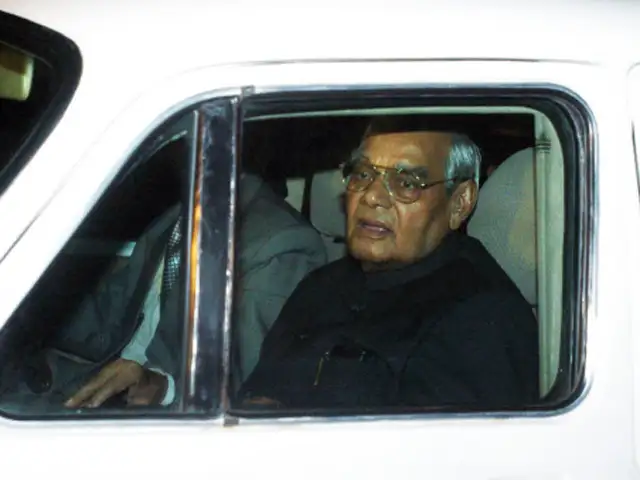
Born in a humble school teacher's family on December 25, 1924, in Gwalior Madhya Pradesh, Vajpayee entered politics during the Quit India movement in 1942. He did his graduation and post graduation..
Read More

He became the Prime Minister for the first time on May 16, 1996 when then President Shankar Dayal Sharma invited BJP, which was the single largest party, to form the government. The stint, however, lasted only for 13 days as no new allies came out to support the BJP.

He became the Prime Minister for the first time on May 16, 1996 when then President Shankar Dayal Sharma invited BJP, which was the single largest party, to form the government. The stint, however, l..
Read More

On March 19, Vajpayee was sworn in as Prime Minister for the second time. After 13 months, the Vajpayee government lost the vote of confidence by one vote on April 17, 1999. This is the only government at the Centre to have lost a confidence vote.

On March 19, Vajpayee was sworn in as Prime Minister for the second time. After 13 months, the Vajpayee government lost the vote of confidence by one vote on April 17, 1999. This is the only governme..
Read More

His tenure saw India’s second nuclear test at Pokharan on May 11, 1998. A spate of trade and other sanctions by US and other countries followed. Despite the nuclear test, Vajpayee reached out to Pakistan through the Lahore bus diplomacy in February, 1999. However, just three months later, Pakistan attacked India in May 1999, leading to the Kargil war.

His tenure saw India’s second nuclear test at Pokharan on May 11, 1998. A spate of trade and other sanctions by US and other countries followed. Despite the nuclear test, Vajpayee reached out to Paki..
Read More

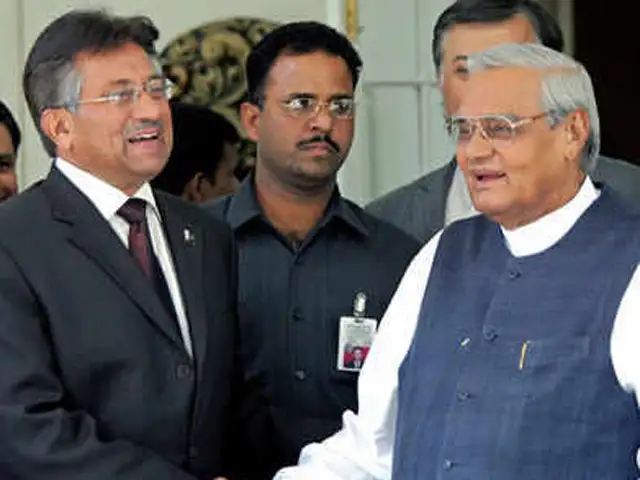
The Vajpayee-led NDA won 303 Lok Sabha seats in 1999 and he was sworn in as Prime Minister for the third time on October 13. Vajpayee again made a tryst with peace when he invited Pakistan President Pervez Musharraf- who was the Army chief when the neighbouring country had begun the Kargil war- for a summit at Agra in July 2001. The summit ended in failure.

The Vajpayee-led NDA won 303 Lok Sabha seats in 1999 and he was sworn in as Prime Minister for the third time on October 13. Vajpayee again made a tryst with peace when he invited Pakistan President ..
Read More

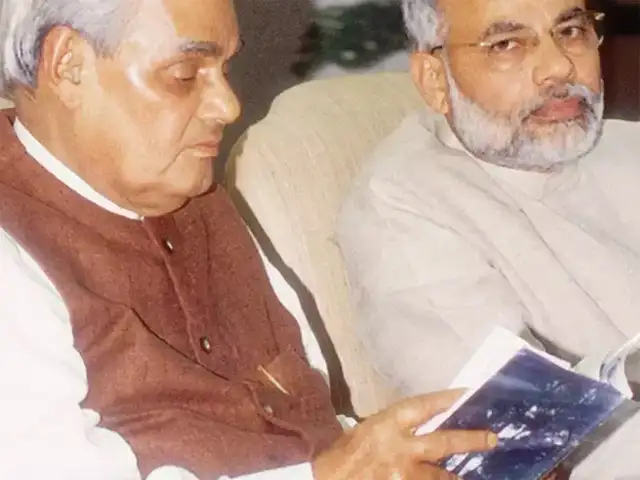
Vajpayee did not have very cordial relations with Modi and had asked him to follow rajdharma in the wake of the Gujarat riots of 2002. He wanted Modi to quit as chief minister but the former survived as LK Advani backed him.

Vajpayee did not have very cordial relations with Modi and had asked him to follow rajdharma in the wake of the Gujarat riots of 2002. He wanted Modi to quit as chief minister but the former survived..
Read More

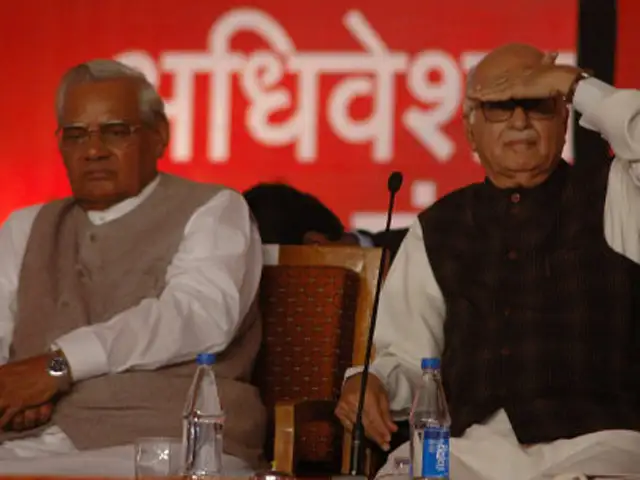
Vajpayee was seen as a secular, moderate leader. He distanced himself from Advani’s 1991 rath yatra and was not present at Ayodhya when the Babri mosque was razed. Later he said the mosque should not have been destroyed.

Vajpayee was seen as a secular, moderate leader. He distanced himself from Advani’s 1991 rath yatra and was not present at Ayodhya when the Babri mosque was razed. Later he said the mosque should not..
Read More

"He travelled across the length and breadth of India to spread the BJP's message, which led to the BJP becoming a strong force in our national polity and in several states," he said.

ADVERTISEMENT
Modi said India grieves the demise of Vajpayee.

"My thoughts are with his family, BJP Karyakartas and millions of admirers in this hour of sadness. Om Shanti," he added.

ADVERTISEMENT
Download
The Economic Times Business News App
for the Latest News in Business, Sensex, Stock Market Updates & More.
Download
The Economic Times News App
for Quarterly Results, Latest News in ITR, Business, Share Market, Live Sensex News & More.
READ MORE
ADVERTISEMENT

READ MORE:

LOGIN & CLAIM

50 TIMESPOINTS

More from our Partners

Loading next story
Business News › News › Politics › Death of Atal Bihari Vajpayee end of an era; it's a personal loss for me: PM Modi
Text Size:AAA
Success
This article has been saved

*

+