Centre hunts for younger head for ‘greying’ DRDO
The hunt for the next DRDO chief has begun after the unceremonious sacking of missile scientist Avinash Chander.
By Rajat Pandit, TNN | Updated:

NEW DELHI: The hunt for the next DRDO chief has begun after the unceremonious sacking of missile scientist Avinash Chander, with several names doing the rounds, in the backdrop of the Modi government's thrust on building a strong defence-industrial base (DIB) in tune with the 'Make in India' policy.
Both PM Narendra Modi and defence minister Manohar Parrikar were very upset with DRDO's tardy performance in delivering cutting-edge weapon systems without huge cost and time overruns as well as the "widespread greying profile" of top defence scientists, said sources.
But the way Chander (64) was sacked, with the media informing him that he had been dismissed with effect from January 31, almost 16 months before his tenure approved by the previous UPA regime was to end, raised eyebrows all around.
"A secretary-level officer, Chander is also the scientific advisor to the defence minister. He played a key role in developing the nuclear-capable Agni ballistic missiles. It shows a lack of basic courtesy," said a top scientist.
It is, however, equally true that a drastic overhaul is needed to boost the sluggish performance of DRDO and its 52 labs, five defence PSUs, four shipyards and 39 ordnance factories, as repeatedly reported by TOI. India after all cannot remain strategically-vulnerable as the world's largest arms importer, getting over 65% of its military requirements from abroad.
In August last year, Modi had asked DRDO to shed its "chalta hai" attitude, while suggesting that at least five of its labs should be headed by scientists under the age of 35. Five months down the line, no young scientist has been appointed as a lab head, even as 8-9 of the top 14 "distinguished scientists" in DRDO continue to be on extension after retirement.
Parrikar on Wednesday admitted he had recommended that the DRDO chief should be a scientist from "a slightly younger generation" and not someone on contract. "We will find out someone good from the DRDO, who has the urge for development," he said.
This would rule out BARC director Sekhar Basu (63), associated with development of the miniature reactor that propels the country's first nuclear submarine INS Arihant, whose name is among those doing the rounds.

It would also prevent five of the seven cluster director-generals - K Tamilmani (aeronautics), V G Sekaran (missiles), V Bhujanga Rao (naval systems), S S Sundaram (electronics) and K D Nayak (microelectronic devices & computational systems) - from assuming the top post since they all are on extension.
A M Datar (armaments & combat engineering) and Manas K Mandal (life sciences), who are in their late-50s, are the only two DGs not on extension at present. Some other contenders could be G Satheesh Reddy (Research Centre Imarat director), Satish Kumar (chief controller technology management) and Amol Gokhale (DMRL director).
As reported by TOI earlier, the Rama Rao Committee (RRC) in 2008 had held that DRDO should focus only on 8-10 "critical technologies'' of "strategic importance'', instead of making everything from dental implants and mosquito repellents to nuclear missiles and fighter jets.
But many of its recommendations are yet to be properly implemented. For instance, a new Defence Technology Commission and a commercial arm for DRDO (as a private limited company with Rs 2 crore as seed capital) are yet to take any shape.
Both PM Narendra Modi and defence minister Manohar Parrikar were very upset with DRDO's tardy performance in delivering cutting-edge weapon systems without huge cost and time overruns as well as the "widespread greying profile" of top defence scientists, said sources.
But the way Chander (64) was sacked, with the media informing him that he had been dismissed with effect from January 31, almost 16 months before his tenure approved by the previous UPA regime was to end, raised eyebrows all around.
"A secretary-level officer, Chander is also the scientific advisor to the defence minister. He played a key role in developing the nuclear-capable Agni ballistic missiles. It shows a lack of basic courtesy," said a top scientist.
It is, however, equally true that a drastic overhaul is needed to boost the sluggish performance of DRDO and its 52 labs, five defence PSUs, four shipyards and 39 ordnance factories, as repeatedly reported by TOI. India after all cannot remain strategically-vulnerable as the world's largest arms importer, getting over 65% of its military requirements from abroad.
In August last year, Modi had asked DRDO to shed its "chalta hai" attitude, while suggesting that at least five of its labs should be headed by scientists under the age of 35. Five months down the line, no young scientist has been appointed as a lab head, even as 8-9 of the top 14 "distinguished scientists" in DRDO continue to be on extension after retirement.
ADVERTISEMENT
Parrikar on Wednesday admitted he had recommended that the DRDO chief should be a scientist from "a slightly younger generation" and not someone on contract. "We will find out someone good from the DRDO, who has the urge for development," he said.
This would rule out BARC director Sekhar Basu (63), associated with development of the miniature reactor that propels the country's first nuclear submarine INS Arihant, whose name is among those doing the rounds.
It would also prevent five of the seven cluster director-generals - K Tamilmani (aeronautics), V G Sekaran (missiles), V Bhujanga Rao (naval systems), S S Sundaram (electronics) and K D Nayak (microelectronic devices & computational systems) - from assuming the top post since they all are on extension.
A M Datar (armaments & combat engineering) and Manas K Mandal (life sciences), who are in their late-50s, are the only two DGs not on extension at present. Some other contenders could be G Satheesh Reddy (Research Centre Imarat director), Satish Kumar (chief controller technology management) and Amol Gokhale (DMRL director).
ADVERTISEMENT
As reported by TOI earlier, the Rama Rao Committee (RRC) in 2008 had held that DRDO should focus only on 8-10 "critical technologies'' of "strategic importance'', instead of making everything from dental implants and mosquito repellents to nuclear missiles and fighter jets.
But many of its recommendations are yet to be properly implemented. For instance, a new Defence Technology Commission and a commercial arm for DRDO (as a private limited company with Rs 2 crore as seed capital) are yet to take any shape.
Download
The Economic Times Business News App for the Latest News in Business, Sensex, Stock Market Updates & More.
The Economic Times Business News App for the Latest News in Business, Sensex, Stock Market Updates & More.
Download
The Economic Times News App for Quarterly Results, Latest News in ITR, Business, Share Market, Live Sensex News & More.
The Economic Times News App for Quarterly Results, Latest News in ITR, Business, Share Market, Live Sensex News & More.
Economictimes.com & Agencies
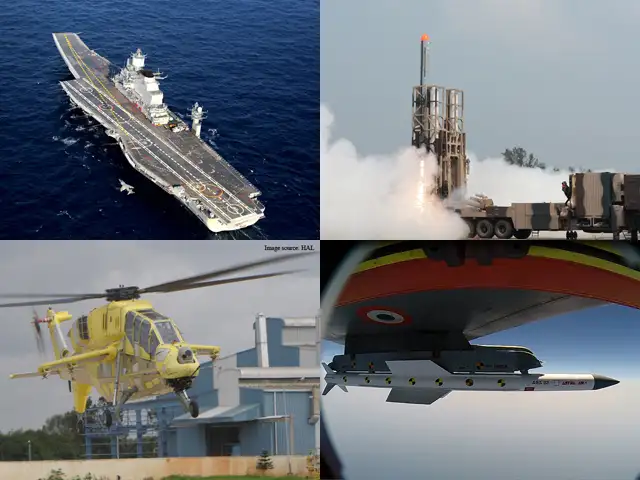
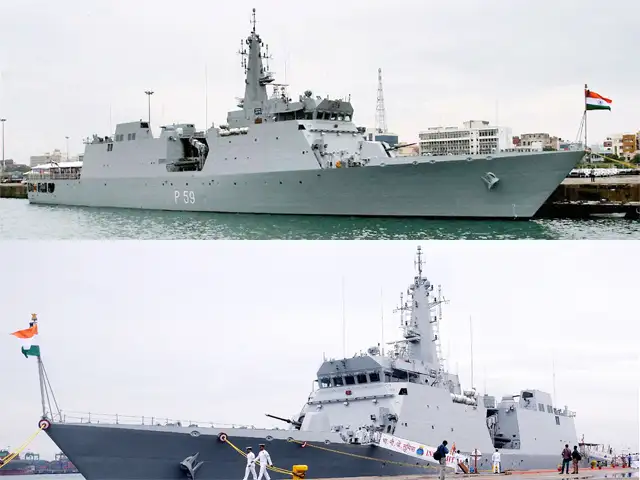
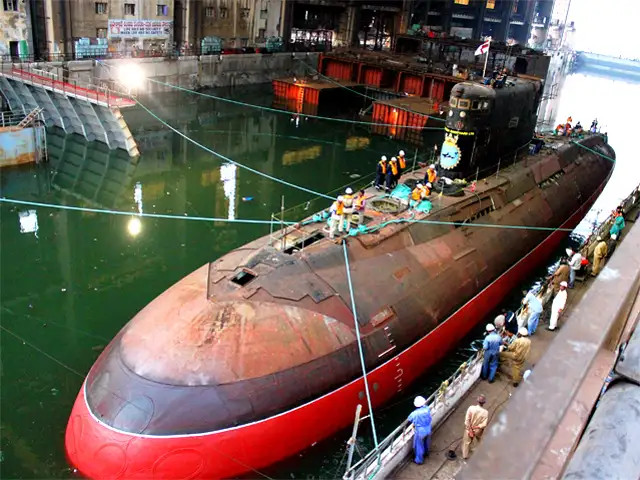
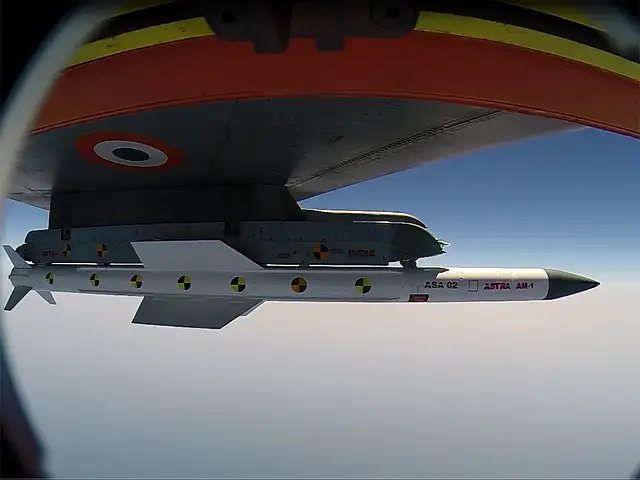
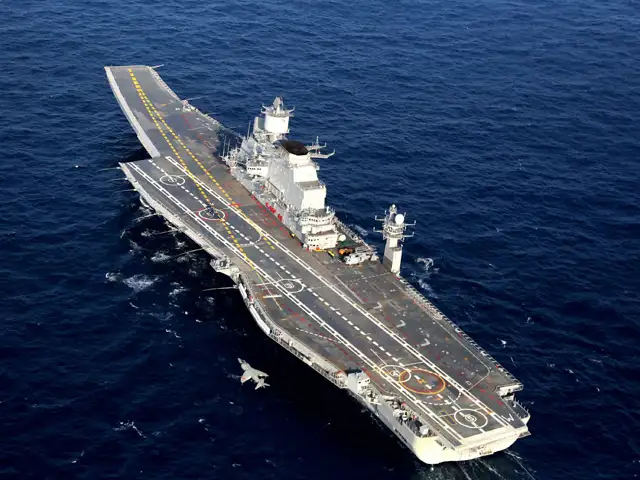
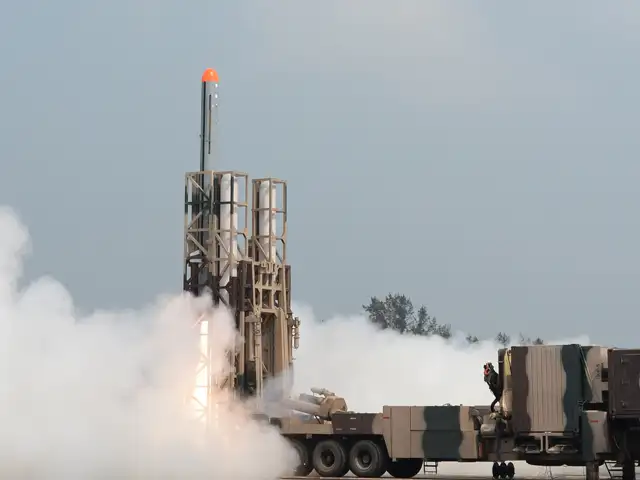
The need to have robust defence capabilities in today's day and age cannot be overstated. India has been aggressively pushing to enhance its ability to deter attacks and up its defence prowess.
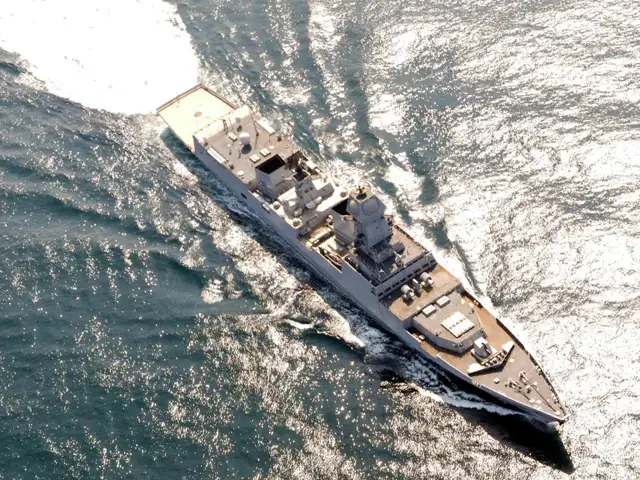
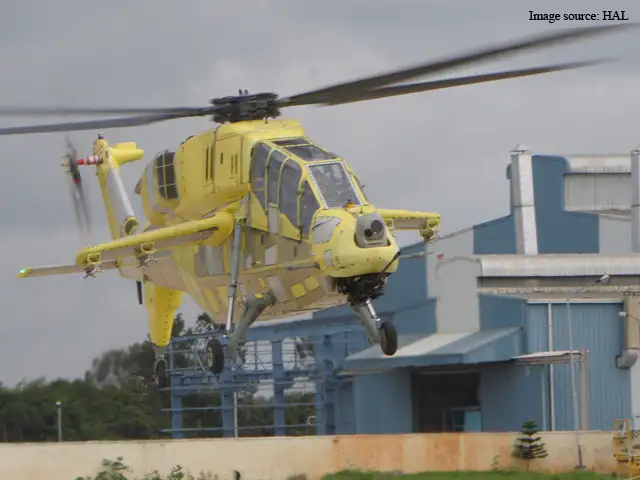
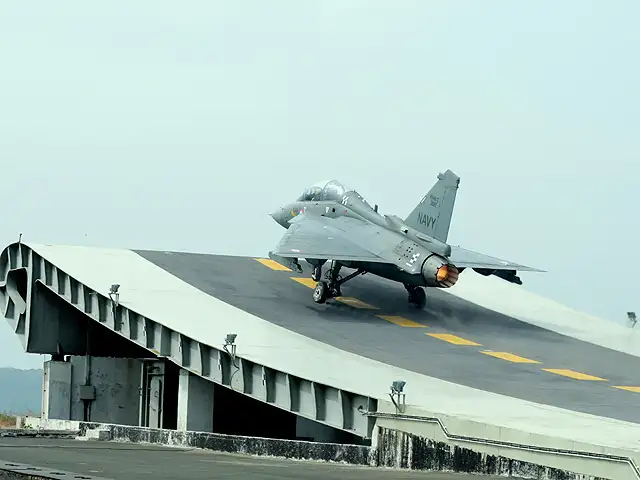
2014 saw multiple steps being taken in that direction and India saw many new additions to its defence fleet. We take a look at eight achievements that deserve a special mention:
The need to have robust defence capabilities in today's day and age cannot be overstated. India has been aggressively pushing to enhance its ability to deter attacks and up its defence prowess.
2014 saw multiple steps being taken in that direction and India saw many new additions to its defence fleet. We take a look at eight achievements that deserve a special mention:

ADVERTISEMENT


