
Can herd immunity help in coronavirus battle

1/7
In vogue?
Of late, the discussion on combating COVID-19 has pivoted from lockdowns and testing to ‘herd immunity’, with a study - by Princeton University - even saying countries like India may be better off depending on herd immunity than a lockdown. Here’s what it means.
2/7
What’s it?
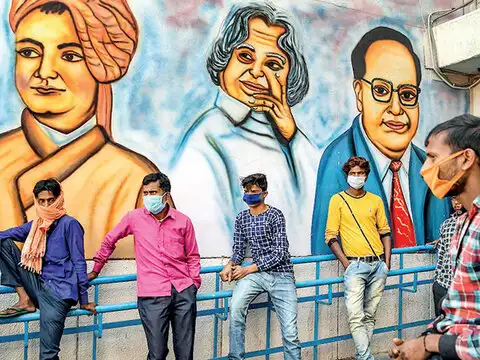
Herd immunity is when a large section of a population is immunized to a disease - either through a vaccination or due to having the actual illness and recovering.

3/7
What’s the problem?
The problem is there isn’t a vaccine, which means inducing herd immunity becomes a challenge; it would mean deliberately introducing the virus into the population.
Amazon Top Deals
POWERED BY

Crompton Ozone 75 Litres Desert Air Cooler for home | Large & Easy Clean Ice Chamber | 4-Way Air Deflection | High Density Honeycomb Pads | Everlast Pump | Auto Fill| 3 Year Brand Warranty
₹9,798Buy Now43%
OFF

LG 32 L Convection Microwave Oven (MC3286BRUM, Black, 360° Motorised Rotisserie for Bar-be-queing, 301 Auto Cook Menu, Stainless steel cavity, Indian Cuisine, Tandoor Se, Steam Clean & Diet Fry)
₹19,090Buy Now20%
OFF
4/7
Feasible?
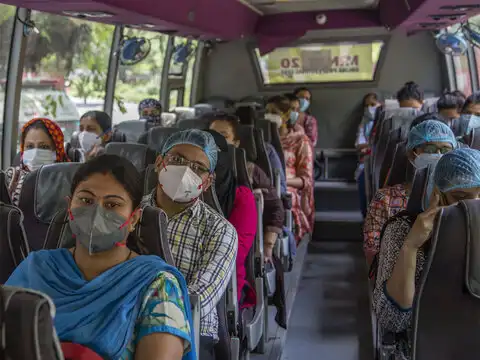
The Princeton study advocates releasing the pathogen in a controlled manner by lifting the lockdown and allowing the workforce to resume their jobs, predicting that 60% of the Indian population will develop herd immunity by November.

5/7
Risk?
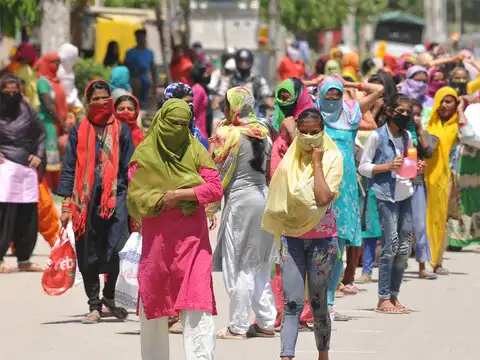
However, a study by Los Alamos National Laboratory, US - not specific to India - said 82% of the population needs to be immune before herd immunity kicks in. The risk is for people over 65, who are most vulnerable to COVID-19.
6/7
Will it work?
Theoretically, yes. Measles - extremely contagious - with one person able to infect 18 others, needed at least 95% of the population to become immune in order to develop herd immunity. It was declared eliminated in 2000. COVID-19 is much less contagious.

7/7
The challenge
Comorbidities - pre-existing conditions that are worsened by the infection - are high in India. The country has the second highest number of diabetics in the world and scores of other problems like heart and respiratory illnesses.