Avinash Chander removed as DRDO chief to bring in younger generation: Manohar Parrikar
"At these senior positions, they should not be on contract. There are so many eligible, (someone) should be brought among them," he said.
By ET Bureau | Updated:

NEW DELHI: It was after a nudge by Prime Minister Narendra Modi that defence minister Manohar Parrikar recommended the removal of DRDO chief Avinash Chander.
Talking to media persons on Wednesday Parrikar confirmed that he asked for his removal since he wanted the crucial post of DRDO chief to be held by a younger person and not by someone who is on contract. He said that a new chief will be appointed soon "someone good from DRDO who has the urge for development."
Chander, along with 15 other top scientists of DRDO, was on extension. In fact, he had been granted extensions twice before the UPA government approved his continuation on contract, starting November 2014. His contract automatically came into effect without NDA interfering at that point. His 18month contract was valid till May 2016.Parrikar said that he recommended cancellation of his contract which was approved by the Appointments Committee of the Cabinet (ACC).
Sources in the government claimed that Parrikar had undertaken a review of the functioning of the DRDO on PM's recommendation. He had expressed his unhappiness over liberal extensions given to scientists. He was in favour of younger generation of scientists taking over and invigorating the organisation, getting rid of the "chalta hai" attitude. PM had even ordered scrapping of the committee that reviewed cases for grant of extension of service.
In fact, to infuse young blood in the organisation criticised for not producing anything worthwhile in a long time Modi had announced employing scientists below the age of 35 for five of the 52 DRDO labs. This was at DRDO's annual award function where Modi sent the stern message to the organisation to shape-up.
Talking to media persons on Wednesday Parrikar confirmed that he asked for his removal since he wanted the crucial post of DRDO chief to be held by a younger person and not by someone who is on contract. He said that a new chief will be appointed soon "someone good from DRDO who has the urge for development."
Chander, along with 15 other top scientists of DRDO, was on extension. In fact, he had been granted extensions twice before the UPA government approved his continuation on contract, starting November 2014. His contract automatically came into effect without NDA interfering at that point. His 18month contract was valid till May 2016.Parrikar said that he recommended cancellation of his contract which was approved by the Appointments Committee of the Cabinet (ACC).
Sources in the government claimed that Parrikar had undertaken a review of the functioning of the DRDO on PM's recommendation. He had expressed his unhappiness over liberal extensions given to scientists. He was in favour of younger generation of scientists taking over and invigorating the organisation, getting rid of the "chalta hai" attitude. PM had even ordered scrapping of the committee that reviewed cases for grant of extension of service.
In fact, to infuse young blood in the organisation criticised for not producing anything worthwhile in a long time Modi had announced employing scientists below the age of 35 for five of the 52 DRDO labs. This was at DRDO's annual award function where Modi sent the stern message to the organisation to shape-up.
Download
The Economic Times Business News App for the Latest News in Business, Sensex, Stock Market Updates & More.
The Economic Times Business News App for the Latest News in Business, Sensex, Stock Market Updates & More.
Download
The Economic Times News App for Quarterly Results, Latest News in ITR, Business, Share Market, Live Sensex News & More.
The Economic Times News App for Quarterly Results, Latest News in ITR, Business, Share Market, Live Sensex News & More.
Related Articles
 Cabinet approves naming of airport at Goa's Mopa after Manohar Parrikar2023-01-04T13:09:08Z
- Mopa International Airport in Goa named after former Defence Minister Manohar Parrikar2022-12-11T14:01:33Z
- Late Manohar Parrikar's son, local heavyweight, and AAP turncoat vie for Panaji pie in multi-corner contest2022-02-12T12:45:45Z
Economictimes.com & Agencies
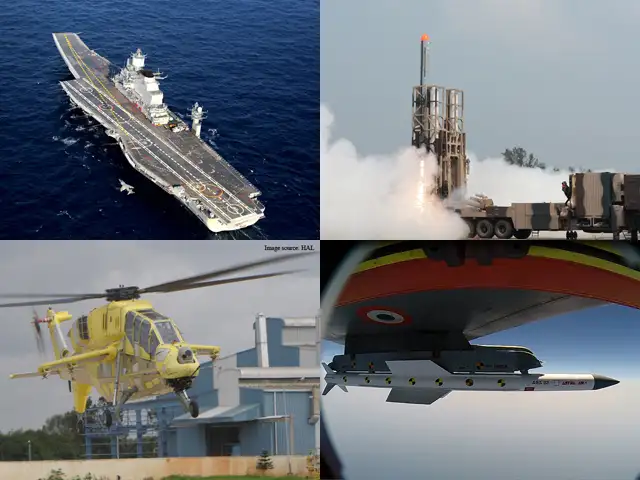
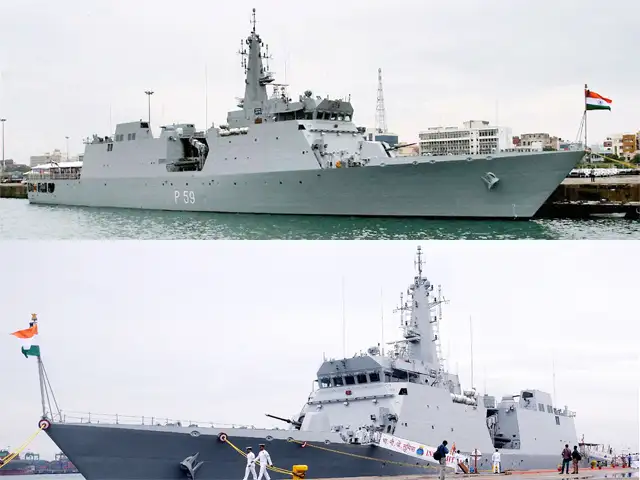
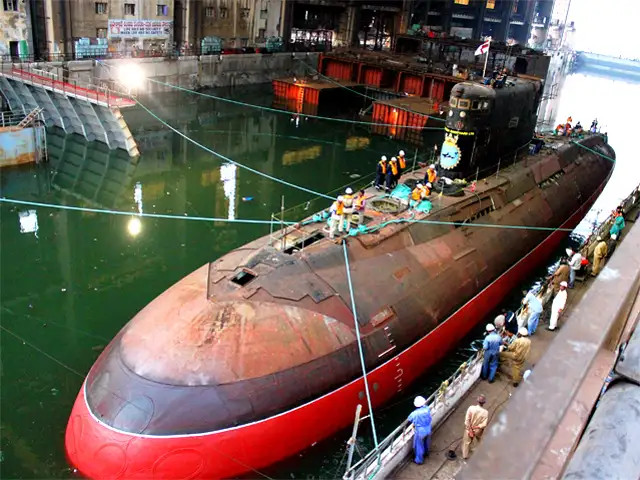
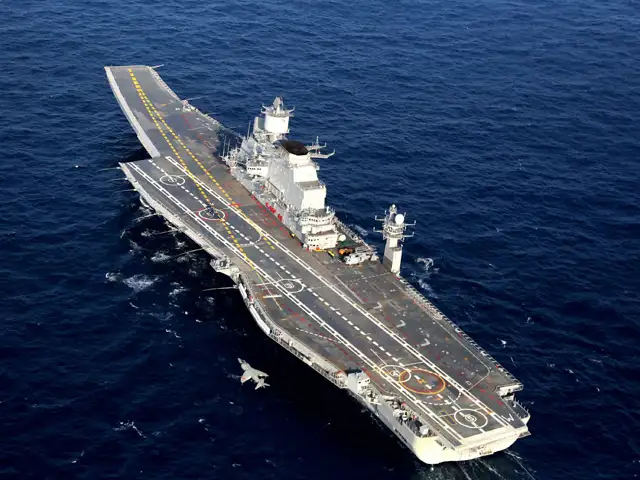
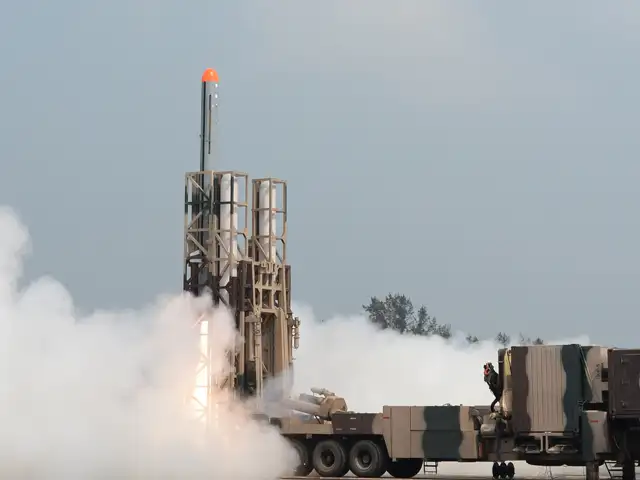
The need to have robust defence capabilities in today's day and age cannot be overstated. India has been aggressively pushing to enhance its ability to deter attacks and up its defence prowess.
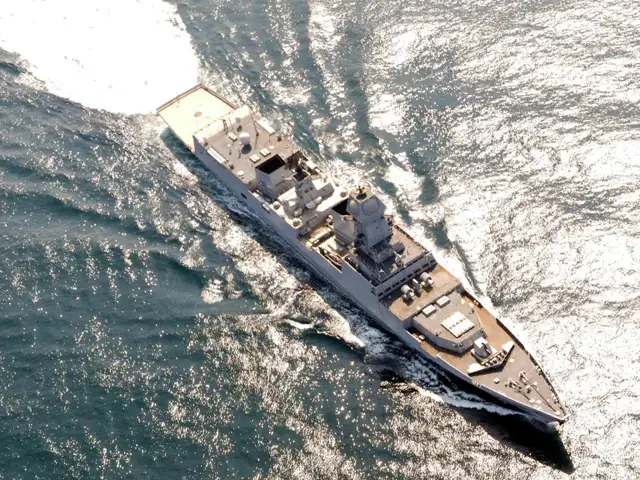
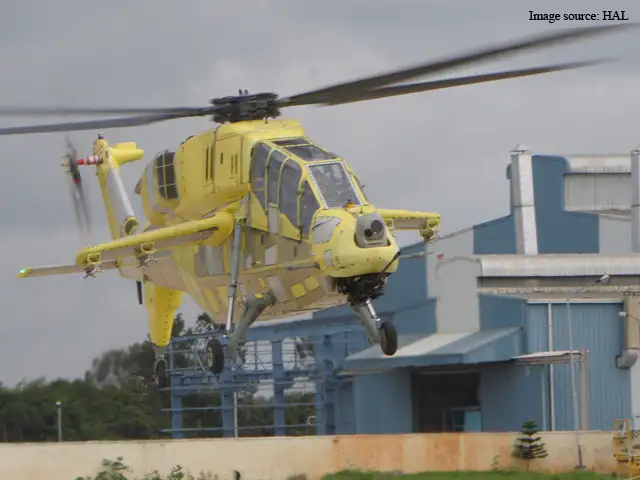
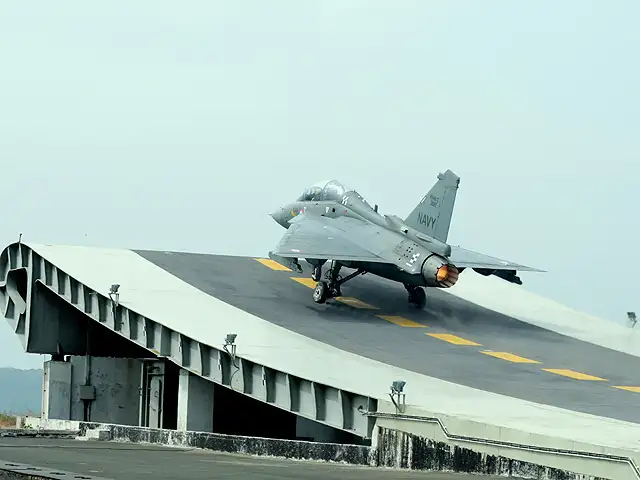
2014 saw multiple steps being taken in that direction and India saw many new additions to its defence fleet. We take a look at eight achievements that deserve a special mention:
The need to have robust defence capabilities in today's day and age cannot be overstated. India has been aggressively pushing to enhance its ability to deter attacks and up its defence prowess.
2014 saw multiple steps being taken in that direction and India saw many new additions to its defence fleet. We take a look at eight achievements that deserve a special mention:


ADVERTISEMENT


