Atal Bihari Vajpayee: The pregnant pause lengthens forever
Vajpayee, the first non-Congress leader to serve five years as prime minister of India, started his political career in 1939 as a Swayamsevak of the RSS.
By T K Arun, ET Bureau | Updated:

BCCL
Atal Bihari Vajpayee was Prime Minister of India for over six year over three stints . Such discontinuities were not altogether incongruous in a man who used intermittent pauses, along with the linguistic flourish of the poet, to elevate his speech to oratory.
Vajpayee, the first non-Congress leader to serve five years as prime minister of India, started his political career in 1939 as a Swayamsevak of the RSS. He was a founder member of the two political parties sponsored by the RSS, the Jan Sangh, whose leadership he took over after the death of Deen Dayal Upadhyay in 1968, and the Bharatiya Janata Party, of which he was the first president in 1980.
His critics would say that, for all his liberal disposition and personal friendships cutting across political divides (Sangh ideologue Govindacharya called Vajpayee the party’s mukhota or mask), Vajpayee was steeped in the thinking and politics of the Sangh and served to give it acceptability and legitimacy.
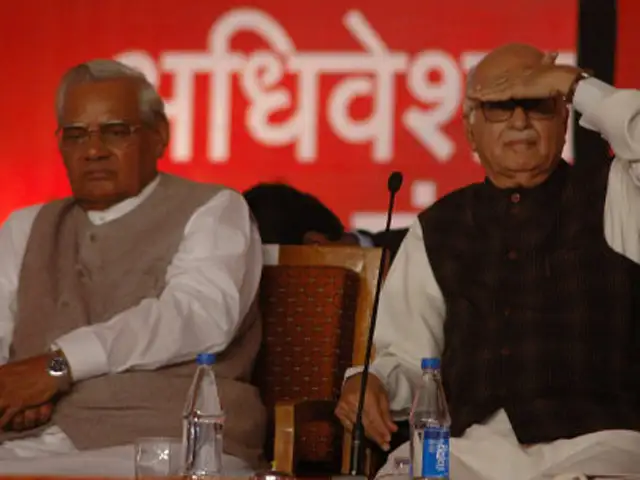
Vajpayee’s critics inside the Sangh Parivar might have thought of him as a Congressman in Sangh clothing, but knew the value of his liberal face. That primarily made him the choice to head a BJP-led government, rather than LK Advani, the leader who traversed a blood-splattered path across the nation atop a Toyota rath, mobilising political support to demolish the Babri mosque, and, in the process, transforming the BJP from a party with limited sectarian appeal into a mass party which could emerge the largest bloc in the 1996, 1998 and 1999 Lok Sabha elections. Caught up as he was in the Jain hawala case and the Babri mosque demolition case, Advani chose to play Sardar Patel to Vajpayee’s Nehru.
Vajpayee conducted the nuclear tests the previous Narasimha Rao government had backed down from under US pressure. Pakistan followed with its own tests. The US and allies imposed sanctions on the two new, overt nuclear powers. Vajpayee initiated a long dialogue with the US, carried out by Jaswant Singh and Strobe Talbot, on behalf their respective governments. Governments changed in India and the US, but the dialogue carried on, and yielded the Indo-US nuclear treaty that broke the technology denial regime that had stunted India’s access to technologies and materials needed for augmenting strategic capacity.
Before the Vajpayee-led NDA took office, the Sangh Parivar, of which the BJP is a member, was stridently opposed to globalisation and opening up. However, Vajpayee chose to follow the trajectory of liberalisation on which PV Narasimha Rao had set the country, and which the succeeding United Front government embraced with vigour. Yashwant Sinha, as his finance minister, set up an Empowered Committee of State Finance Ministers to work out the modalities of moving away from sales tax to Value Added Tax. Sinha also did much to streamline excise and customs duties.
Vajpayee’s other finance minister, Jaswant Singh, set up the Kelkar panels on tax reform, whose advice deserves much credit for rationalising and reforming India’s tax structure and administration. The Vajpayee government adopted the Right to Education via an amendment to the Constitution, but the law to operationalise that right had to wait for the succeeding UPA government to be framed.
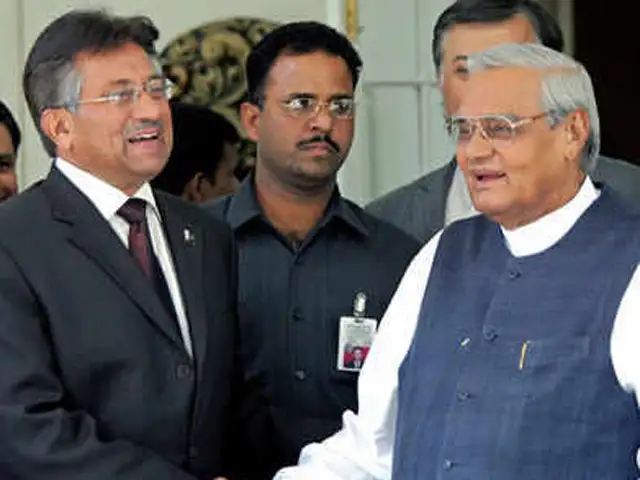
Vajpayee will be remembered for two initiatives, one to resolve the Kashmir problem in a framework of humanity, democracy and Kashmiriyat, the spirit of Kashmir, and the other, an outreach to Pakistan. Neither bore fruit, but not for want of sincerity on Vajpayee’s part.
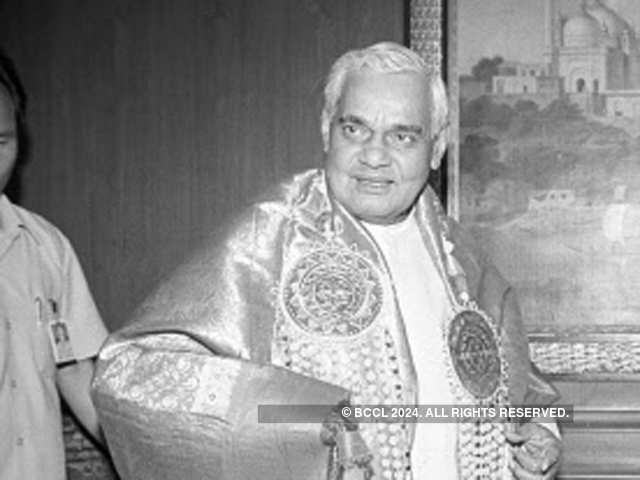
Vajpayee had his critics within the party and outside. After calling him Mukhauta (mask), BJP ideologue Govindacharya found himself out in the cold, expelled from the party. Vajpayee had Kalyan Singh also cut to size for criticising him for being led by bureaucrats. When the then-BJP president Venkaiah Naidu dared to hint at Advani leading the party in the 2004 elections, by hailing him as Loh Purush (Iron Man), while patronisingly calling Vajpayee Vikas Purush (Development Man), Vajpayee sulked, declared that Advani would lead the party to success in the next elections, signalling that he was not available to lead the party. The party panicked and reiterated Vajpayee as the lone leader.
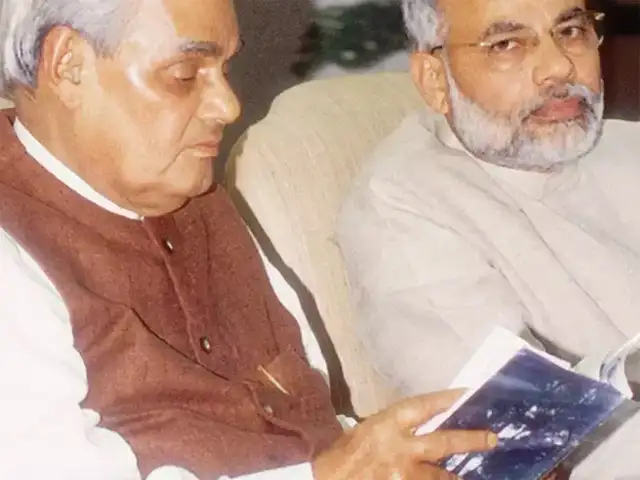
Vajpayee’s biggest public humiliation came when he criticised the 2002 Gujarat riots as a blot on India’s history and implied that failure of the state’s chief minister, Narendra Modi, to control the riots sooner than he did was abdication of Rajdharma, and then had to swallow his words and endorse him as chief minister, following pressure from Advani to drop the demand for his resignation.
Govindacharya had got Vajpayee’s measure better than anyone else. He was an RSS pracharak who shed khaki shorts in favour of the flowing white attire of the poet, presented a liberal face to the world suspicious of the Sangh Parivar and legitimised the BJP as a party capable of ruling India. Without Vajpayee’s NDA, it is doubtful if Narendra Modi would have become Prime Minister with an absolute majority for his party.
Vajpayee, the first non-Congress leader to serve five years as prime minister of India, started his political career in 1939 as a Swayamsevak of the RSS. He was a founder member of the two political parties sponsored by the RSS, the Jan Sangh, whose leadership he took over after the death of Deen Dayal Upadhyay in 1968, and the Bharatiya Janata Party, of which he was the first president in 1980.
His critics would say that, for all his liberal disposition and personal friendships cutting across political divides (Sangh ideologue Govindacharya called Vajpayee the party’s mukhota or mask), Vajpayee was steeped in the thinking and politics of the Sangh and served to give it acceptability and legitimacy.
Vajpayee’s critics inside the Sangh Parivar might have thought of him as a Congressman in Sangh clothing, but knew the value of his liberal face. That primarily made him the choice to head a BJP-led government, rather than LK Advani, the leader who traversed a blood-splattered path across the nation atop a Toyota rath, mobilising political support to demolish the Babri mosque, and, in the process, transforming the BJP from a party with limited sectarian appeal into a mass party which could emerge the largest bloc in the 1996, 1998 and 1999 Lok Sabha elections. Caught up as he was in the Jain hawala case and the Babri mosque demolition case, Advani chose to play Sardar Patel to Vajpayee’s Nehru.
Vajpayee conducted the nuclear tests the previous Narasimha Rao government had backed down from under US pressure. Pakistan followed with its own tests. The US and allies imposed sanctions on the two new, overt nuclear powers. Vajpayee initiated a long dialogue with the US, carried out by Jaswant Singh and Strobe Talbot, on behalf their respective governments. Governments changed in India and the US, but the dialogue carried on, and yielded the Indo-US nuclear treaty that broke the technology denial regime that had stunted India’s access to technologies and materials needed for augmenting strategic capacity.
Before the Vajpayee-led NDA took office, the Sangh Parivar, of which the BJP is a member, was stridently opposed to globalisation and opening up. However, Vajpayee chose to follow the trajectory of liberalisation on which PV Narasimha Rao had set the country, and which the succeeding United Front government embraced with vigour. Yashwant Sinha, as his finance minister, set up an Empowered Committee of State Finance Ministers to work out the modalities of moving away from sales tax to Value Added Tax. Sinha also did much to streamline excise and customs duties.
ADVERTISEMENT
Vajpayee’s other finance minister, Jaswant Singh, set up the Kelkar panels on tax reform, whose advice deserves much credit for rationalising and reforming India’s tax structure and administration. The Vajpayee government adopted the Right to Education via an amendment to the Constitution, but the law to operationalise that right had to wait for the succeeding UPA government to be framed.
Vajpayee will be remembered for two initiatives, one to resolve the Kashmir problem in a framework of humanity, democracy and Kashmiriyat, the spirit of Kashmir, and the other, an outreach to Pakistan. Neither bore fruit, but not for want of sincerity on Vajpayee’s part.
Born in a humble school teacher's family on December 25, 1924, in Gwalior Madhya Pradesh, Vajpayee entered politics during the Quit India movement in 1942. He did his graduation and post graduation in Political Science from Victoria College in Gwalior.
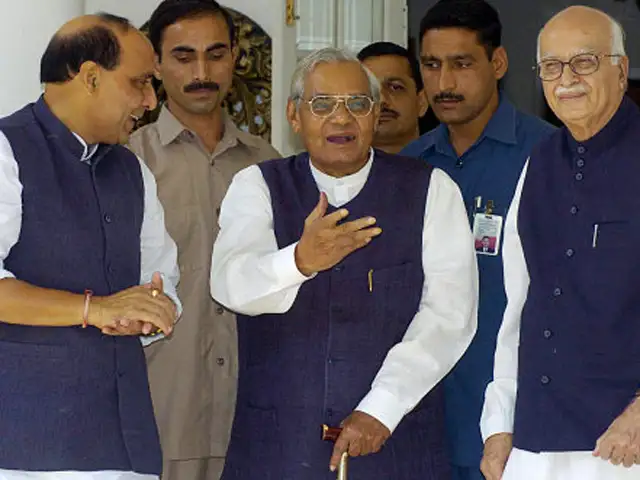
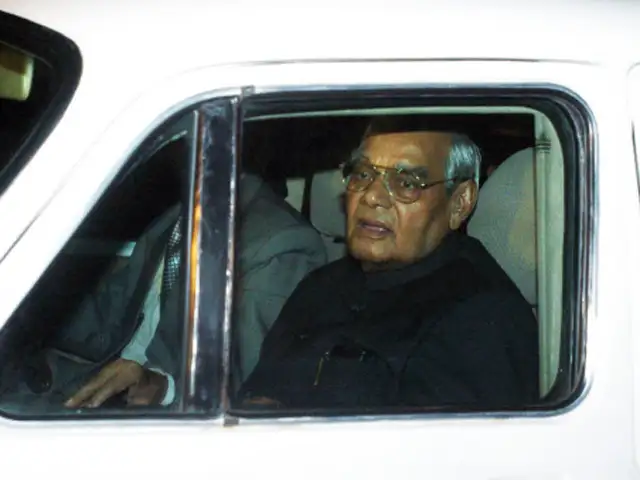
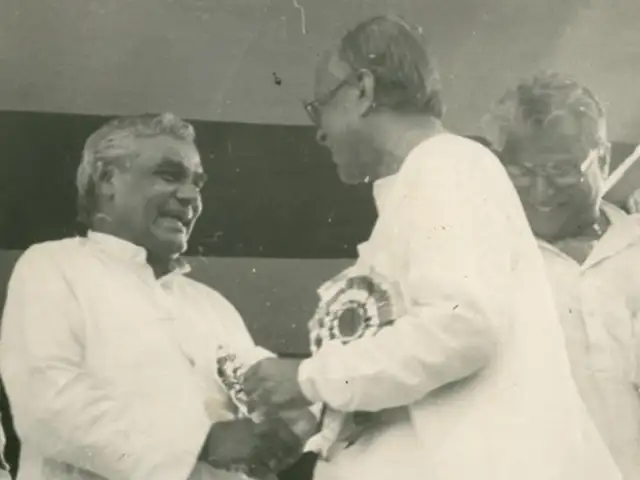

Vajpayee had his critics within the party and outside. After calling him Mukhauta (mask), BJP ideologue Govindacharya found himself out in the cold, expelled from the party. Vajpayee had Kalyan Singh also cut to size for criticising him for being led by bureaucrats. When the then-BJP president Venkaiah Naidu dared to hint at Advani leading the party in the 2004 elections, by hailing him as Loh Purush (Iron Man), while patronisingly calling Vajpayee Vikas Purush (Development Man), Vajpayee sulked, declared that Advani would lead the party to success in the next elections, signalling that he was not available to lead the party. The party panicked and reiterated Vajpayee as the lone leader.
ADVERTISEMENT
Vajpayee’s biggest public humiliation came when he criticised the 2002 Gujarat riots as a blot on India’s history and implied that failure of the state’s chief minister, Narendra Modi, to control the riots sooner than he did was abdication of Rajdharma, and then had to swallow his words and endorse him as chief minister, following pressure from Advani to drop the demand for his resignation.
ADVERTISEMENT
Vajpayee was in poor health during the 2004 election campaign and it was Advani who led the BJP charade that it was denied a victory it was due and proceeded to try and undermine the Manmohan Singh-led UPA government whichever way it could, including on the nuclear deal with the US.Govindacharya had got Vajpayee’s measure better than anyone else. He was an RSS pracharak who shed khaki shorts in favour of the flowing white attire of the poet, presented a liberal face to the world suspicious of the Sangh Parivar and legitimised the BJP as a party capable of ruling India. Without Vajpayee’s NDA, it is doubtful if Narendra Modi would have become Prime Minister with an absolute majority for his party.
Download
The Economic Times Business News App for the Latest News in Business, Sensex, Stock Market Updates & More.
The Economic Times Business News App for the Latest News in Business, Sensex, Stock Market Updates & More.
Download
The Economic Times News App for Quarterly Results, Latest News in ITR, Business, Share Market, Live Sensex News & More.
The Economic Times News App for Quarterly Results, Latest News in ITR, Business, Share Market, Live Sensex News & More.
ADVERTISEMENT


