A thaw that didn't last: When Atal Bihari Vajpayee took bus to Lahore and hugged Nawaz Sharif
It was a short-lived thaw in stormy relations between India and Pakistan when Atal Bihari Vajpayee took a bus to Lahore in 1999.
By PTI |

It was a short-lived thaw in stormy relations between India and Pakistan when Atal Bihari Vajpayee took a bus to Lahore in 1999 and hugged his Pakistani counterpart Nawaz Sharif leaving an endearing image that symbolised hope in bilateral ties.
Vajpayee, who died today at the age of 93 after a prolonged illness, had made a significant diplomatic breakthrough and travelled on a bus from Amritsar to Lahore with a delegation thatincluded the likes of Bollywood legend Dev Anand, writer Javed Akhtar and cricket icon Kapil Dev.
The move was hailed as the dawn of a new era in Indo-Pak relations.
"I bring the goodwill and hope of my fellow Indians who seek abiding peace and harmony with Pakistan... I am conscious that this is a defining moment in South Asian history and I hope we will be able to rise to the challenge," Vajpayee had said upon arrival at Lahore to a rousing welcome.
After talks between the two prime ministers, the Lahore Declaration was signed, under which, among other things, it was agreed upon that the two sides were fully committed to undertaking measures to reduce risks of accidental or unauthorised use of nuclear weapons.
However, the bonhomie between India and Pakistan did not last long as just months after the visit, the Pakistan Army undertook a covert operation to send its troops into Kargil in Jammu & Kashmir that led to a limited conflict that Pakistan lost.
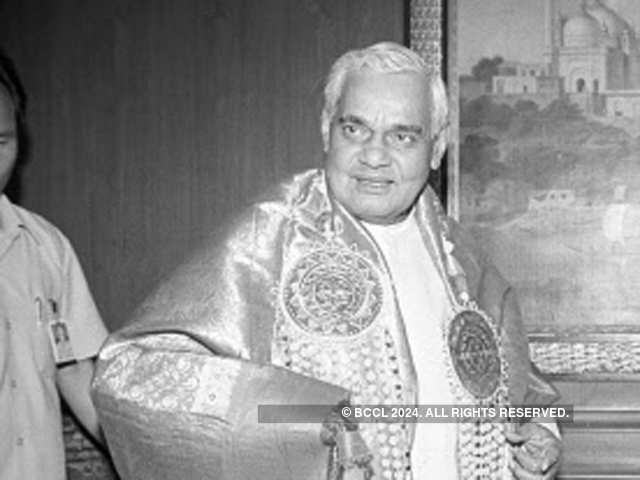
"He (Vajpayee) gave a speech in Lahore, (it) was very touching because he said that as far as he was concerned, he will not allow a conflict to happen. And that speech carried a huge impact, it was played on Pakistan television," Gopalaswami Parthasarathy, who was India's High Commissioner to Pakistan when Vajpayee visited Lahore, told PTI.
Former foreign secretary Salman Haidar said Vajpayee's contribution to Indo-Pak ties was something that speaks for itself as "he took a great deal of initiative in bringing the two countries into closer proximity with each other".
On Vajpayee's Lahore bus journey to give peace a chance, Haidar said, "I think it was a unique gesture by the prime minister of India and something that does him a great deal of credit."
However, the talks ended without an agreement and the long-running dispute over Kashmir was seen as the main reason for the deadlock.
"Though, the Agra Summit failed, we gained because we invited him (Musharraf), and he misbehaved," Parthasarathy said.
"He (Vajpayee) was prepared to go the extra mile for peace, but he was also prepared to use military force in defence of the country as he did during Kargil and thereafter the military deployment after the Parliament attack," the former Indian envoy to Pakistan said.
Vajpayee, who died today at the age of 93 after a prolonged illness, had made a significant diplomatic breakthrough and travelled on a bus from Amritsar to Lahore with a delegation thatincluded the likes of Bollywood legend Dev Anand, writer Javed Akhtar and cricket icon Kapil Dev.
The move was hailed as the dawn of a new era in Indo-Pak relations.
"I bring the goodwill and hope of my fellow Indians who seek abiding peace and harmony with Pakistan... I am conscious that this is a defining moment in South Asian history and I hope we will be able to rise to the challenge," Vajpayee had said upon arrival at Lahore to a rousing welcome.
After talks between the two prime ministers, the Lahore Declaration was signed, under which, among other things, it was agreed upon that the two sides were fully committed to undertaking measures to reduce risks of accidental or unauthorised use of nuclear weapons.
However, the bonhomie between India and Pakistan did not last long as just months after the visit, the Pakistan Army undertook a covert operation to send its troops into Kargil in Jammu & Kashmir that led to a limited conflict that Pakistan lost.
ADVERTISEMENT
Born in a humble school teacher's family on December 25, 1924, in Gwalior Madhya Pradesh, Vajpayee entered politics during the Quit India movement in 1942. He did his graduation and post graduation in Political Science from Victoria College in Gwalior.
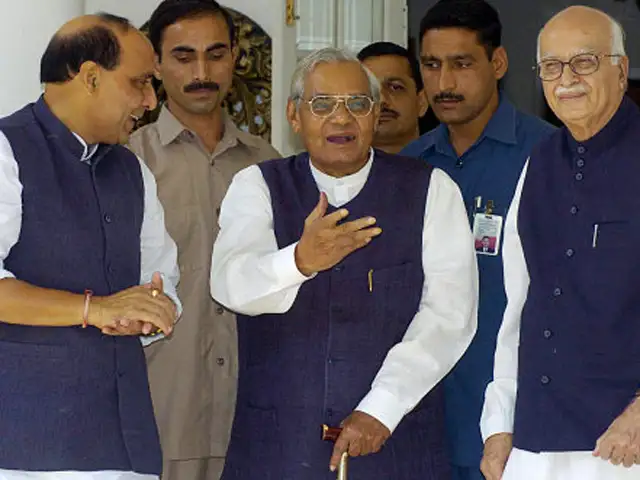
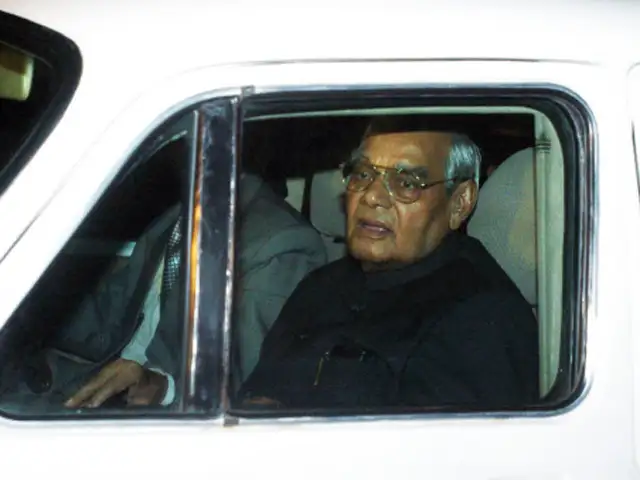
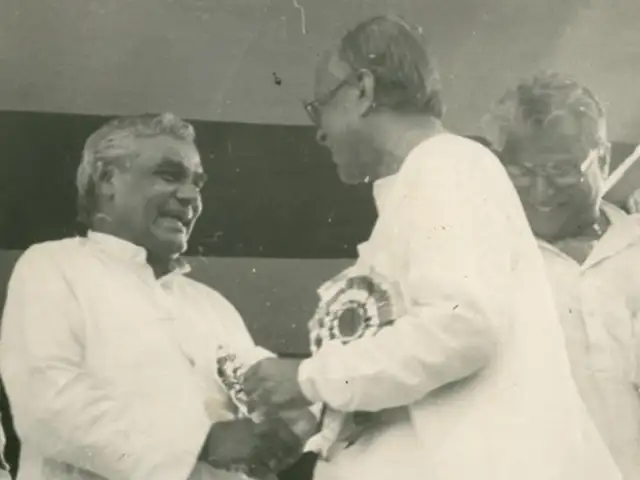
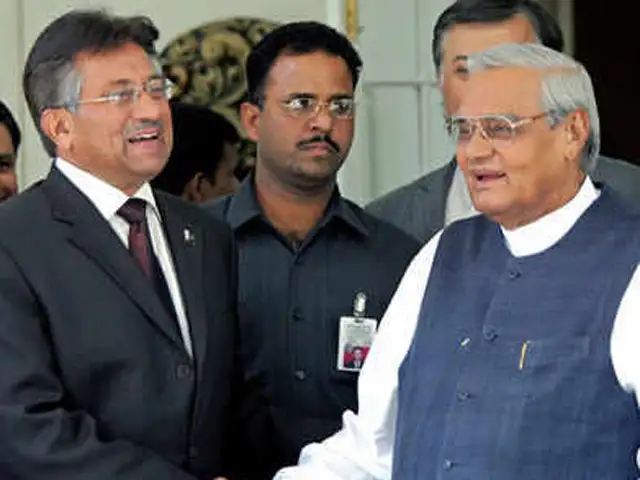

"He (Vajpayee) gave a speech in Lahore, (it) was very touching because he said that as far as he was concerned, he will not allow a conflict to happen. And that speech carried a huge impact, it was played on Pakistan television," Gopalaswami Parthasarathy, who was India's High Commissioner to Pakistan when Vajpayee visited Lahore, told PTI.
Former foreign secretary Salman Haidar said Vajpayee's contribution to Indo-Pak ties was something that speaks for itself as "he took a great deal of initiative in bringing the two countries into closer proximity with each other".
On Vajpayee's Lahore bus journey to give peace a chance, Haidar said, "I think it was a unique gesture by the prime minister of India and something that does him a great deal of credit."
ADVERTISEMENT
Vajpayee is said to have always believed in giving diplomacy and talks a chance and in 2001 he invited the then Pakistan President Pervez Musharraf to India for a two-day Agra summit meeting.However, the talks ended without an agreement and the long-running dispute over Kashmir was seen as the main reason for the deadlock.
ADVERTISEMENT
Former Pakistan Foreign Minister Khurshid Mahmud Kasuri later wrote in his book 'Neither a Hawk nor a Dove' that the "solution to Kashmir was in the grasp of both governments" at the Agra Summit, but could not materialise."Though, the Agra Summit failed, we gained because we invited him (Musharraf), and he misbehaved," Parthasarathy said.
"He (Vajpayee) was prepared to go the extra mile for peace, but he was also prepared to use military force in defence of the country as he did during Kargil and thereafter the military deployment after the Parliament attack," the former Indian envoy to Pakistan said.
Download
The Economic Times Business News App for the Latest News in Business, Sensex, Stock Market Updates & More.
The Economic Times Business News App for the Latest News in Business, Sensex, Stock Market Updates & More.
Download
The Economic Times News App for Quarterly Results, Latest News in ITR, Business, Share Market, Live Sensex News & More.
The Economic Times News App for Quarterly Results, Latest News in ITR, Business, Share Market, Live Sensex News & More.
Related Articles
 Pakistani politician Marriyum Aurangzeb unexpected glow-up at Nawaz Sharif grandson's wedding shocks internet, netizens say 'she looks like a supermodel'2026-01-19T06:08:12Z
- Maryam Nawaz Sharif faces backlash on Pakistani social media for her outfit choice on son's second marriage, netizens call her 'self-obsessed, pathetic'2026-01-19T02:19:20Z
- Pakistan tribunal dismisses petition challenging Nawaz Sharif's victory in 2024 elections2025-12-30T16:18:58Z
ADVERTISEMENT


