7 reasons why Arun Jaitley may have quietly wrapped a pre-poll plan in a prudent Budget
The Budget has many proposals that target voter groups strategically and project an image of a pro-poor, pro-farmer, pro-youth and anti-rich government.
By ET Online |

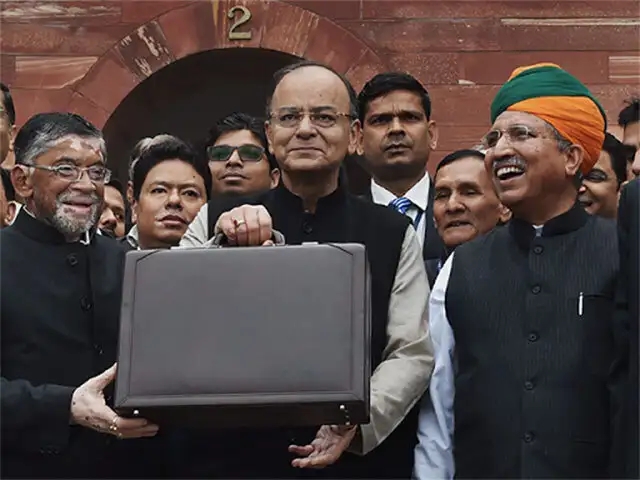
NEW DELHI: Budget 2017 appears prudent as Finance Minister Arun Jaitley has steered clear of populist measures or big-bang sops. He has preferred fiscal consolidation to huge welfare spending. Welfare sops are a hallmark of every pre-poll Budget that aims to enthuse the voters.
But a closer look will convince anyone that a pre-poll Budget has been carefully wrapped in a prudent, stay-the-course Budget. Budget 2017 is replete with proposals that target voter groups strategically and project an image of a pro-poor, pro-farmer, pro-small business, pro-youth and anti-rich government. The Budget appears to aim at generating noise that might benefit the ruling BJP party in the coming Assembly elections in five states.
Below are the Budget takeaways meant for the voting masses in the five poll-bound states:
We are not 'suit-boot ki sarkar'
The Budget refused to offer tax cuts to big companies even though Jaitley had himself said two years ago that he would progressively reduce it to 25 per cent from 30 per cent. Voices of corporate dissatisfaction will only project the government as anti-corporate, something that voters are going to approve.
Here's the compensation for demonetisation pain
Anyone who says the Budget did not address the demonetisation pain is plainly wrong. The move to reduce income tax from 10 per cent to 5 per cent for the lowest taxpayer is targeted at small businesses and shopkeepers, and also the employees at the lowest rungs who form a big part of the voting middle class. These were the people who were not already used to digital payments unlike taxpayers in higher brackets.
We snatched your sop from the rich
Taxing those earning Rs 50 lakh to Rs 1 crore a year with a surcharge of 10 per cent is a dead giveaway to the voting masses that the tax cut for the lowest taxpayers will be funded by snatching from the rich taxpayers. The move is too starkly obvious for the voters to not put two and two together.
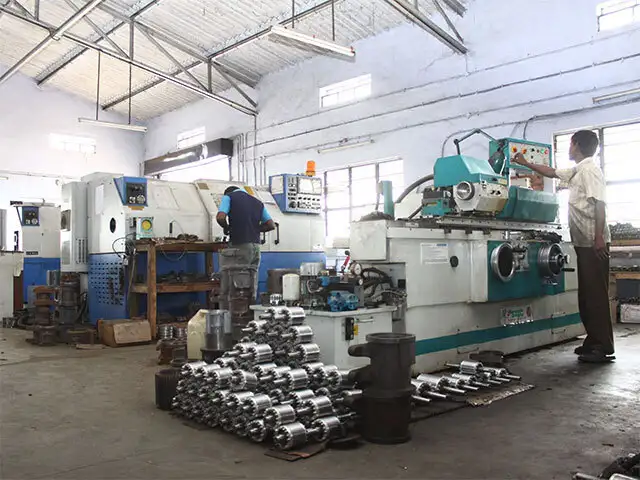
We won't let small units suffer and lay you off
Demonetisation hit small units the hardest among industry as most of these pay wages and do their day-to-day spending in cash. Note ban led to temporary lay-offs in small units. A large number of such laid-off workers were migrants from Uttar Pradesh and Uttarakhand—both poll-bound states—who had to return home. By offering cut in corporation tax only to companies with annual turnover upto Rs 50 crore, the government has sent the right message to both the owners and the laid-off workers.
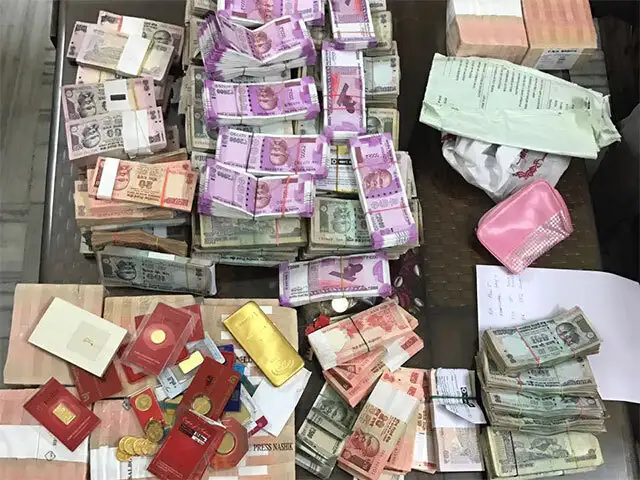
We are against corruption and we will spare not even ourselves
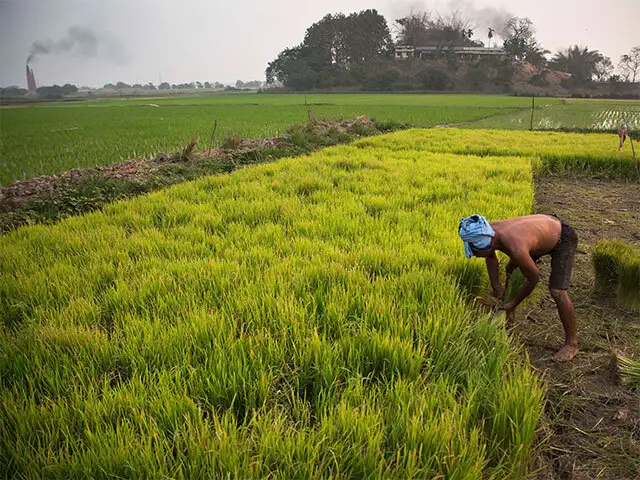
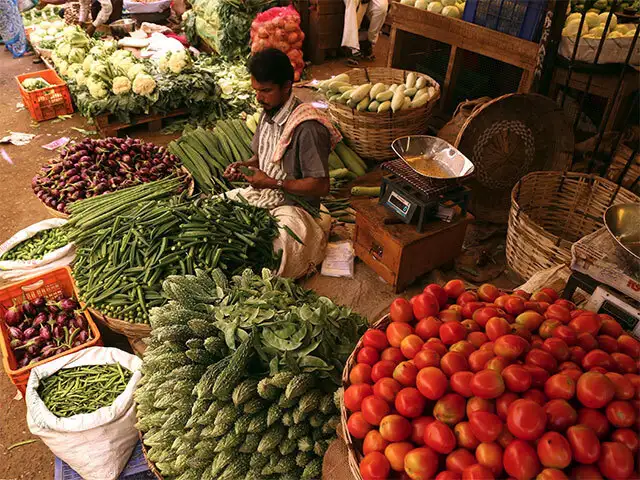
The most on our mind are farmers and the poor
Proposals in Budget 2017 are dominated by measures for the poor, the Dalits and farmers. That's because a significant chunk of Budget—announcements on indirect taxes—was missing due to the impending Goods and Services Tax.
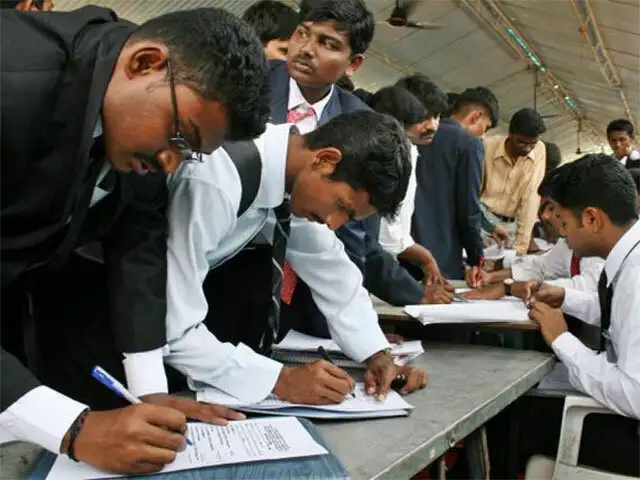
Students, we are thinking of you too
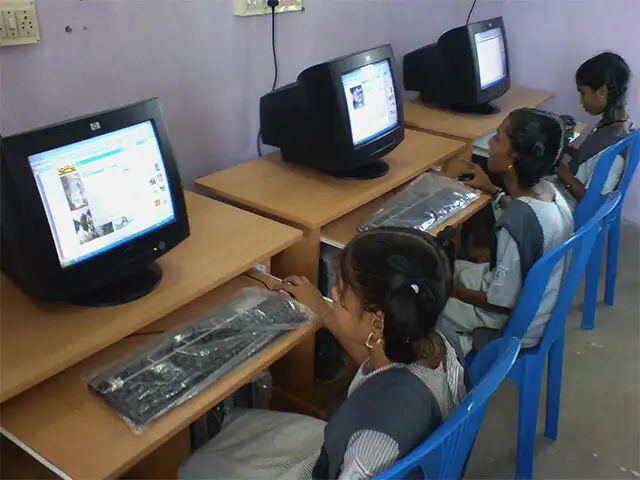
Announcements on the UGC reforms, outcome-based education, new skill-development schemes and a platform for online courses were an attempt to tell the youth that we are thinking of you too. A college accreditation system and outcome-based education are novel enough ideas to generate a lot of curiosity among students.
But a closer look will convince anyone that a pre-poll Budget has been carefully wrapped in a prudent, stay-the-course Budget. Budget 2017 is replete with proposals that target voter groups strategically and project an image of a pro-poor, pro-farmer, pro-small business, pro-youth and anti-rich government. The Budget appears to aim at generating noise that might benefit the ruling BJP party in the coming Assembly elections in five states.
Below are the Budget takeaways meant for the voting masses in the five poll-bound states:
We are not 'suit-boot ki sarkar'
The Budget refused to offer tax cuts to big companies even though Jaitley had himself said two years ago that he would progressively reduce it to 25 per cent from 30 per cent. Voices of corporate dissatisfaction will only project the government as anti-corporate, something that voters are going to approve.
Here's the compensation for demonetisation pain
Anyone who says the Budget did not address the demonetisation pain is plainly wrong. The move to reduce income tax from 10 per cent to 5 per cent for the lowest taxpayer is targeted at small businesses and shopkeepers, and also the employees at the lowest rungs who form a big part of the voting middle class. These were the people who were not already used to digital payments unlike taxpayers in higher brackets.
ADVERTISEMENT
We snatched your sop from the rich
Taxing those earning Rs 50 lakh to Rs 1 crore a year with a surcharge of 10 per cent is a dead giveaway to the voting masses that the tax cut for the lowest taxpayers will be funded by snatching from the rich taxpayers. The move is too starkly obvious for the voters to not put two and two together.
We won't let small units suffer and lay you off
Demonetisation hit small units the hardest among industry as most of these pay wages and do their day-to-day spending in cash. Note ban led to temporary lay-offs in small units. A large number of such laid-off workers were migrants from Uttar Pradesh and Uttarakhand—both poll-bound states—who had to return home. By offering cut in corporation tax only to companies with annual turnover upto Rs 50 crore, the government has sent the right message to both the owners and the laid-off workers.
We are against corruption and we will spare not even ourselves
ADVERTISEMENT
The steps to make political funding more transparent—irrespective of how effective they are eventually—have sent a strong message to the voters: Demonetisation was not a gimmick; the Narendra Modi government is really against corruption—even within political parties—and we will spare none.The most on our mind are farmers and the poor
Proposals in Budget 2017 are dominated by measures for the poor, the Dalits and farmers. That's because a significant chunk of Budget—announcements on indirect taxes—was missing due to the impending Goods and Services Tax.
ADVERTISEMENT
Students, we are thinking of you too
Announcements on the UGC reforms, outcome-based education, new skill-development schemes and a platform for online courses were an attempt to tell the youth that we are thinking of you too. A college accreditation system and outcome-based education are novel enough ideas to generate a lot of curiosity among students.
Download
The Economic Times Business News App for the Latest News in Business, Sensex, Stock Market Updates & More.
The Economic Times Business News App for the Latest News in Business, Sensex, Stock Market Updates & More.
Download
The Economic Times News App for Quarterly Results, Latest News in ITR, Business, Share Market, Live Sensex News & More.
The Economic Times News App for Quarterly Results, Latest News in ITR, Business, Share Market, Live Sensex News & More.
Related Articles
 DC vs RR pitch report, IPL 2026: Check Arun Jaitley Stadium pitch, Delhi weather forecast and match conditions2026-05-17T11:31:19Z
- DC vs CSK Delhi Weather Updates: Check Arun Jaitley Stadium pitch report for IPL clash2026-05-05T12:18:07Z
- DC vs CSK Playing 11: Predicted XIs and head-to-head record at Arun Jaitley Stadium for must-win IPL 2026 clash2026-05-05T11:30:34Z
We scanned every speech—from the very first delivered by RK Shanmukham Chetty in November 1947 to the last one by Arun Jaitley on Feb 29, 2016—to narrow down on 12 words, the usage of which shows changes in economic thinking.



Poll
ADVERTISEMENT


