
Yoga poses for migraine relief: 5 gentle poses that may help ease symptoms

1/6
Migraine relief and relaxation
Migraine can cause intense, throbbing headaches and may also come with nausea and sensitivity to light and sound. While medication and medical advice remain important for managing migraine, gentle yoga may help some people relax, reduce stress and ease muscle tension. Certain poses can be particularly useful when practised slowly and comfortably, especially between migraine attacks.
2/6
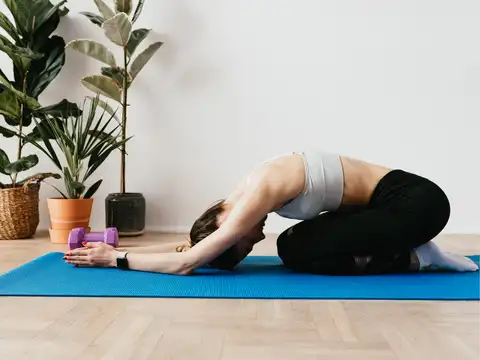
Child's pose
Child's pose is a gentle resting posture that can help relax the body and release tension around the back, shoulders and neck. Kneel on the floor, sit back towards your heels and slowly fold your upper body forwards, resting your forehead on the mat or a cushion. Keep your breathing slow and comfortable. If bending forwards makes your symptoms worse, come out of the pose.
3/6
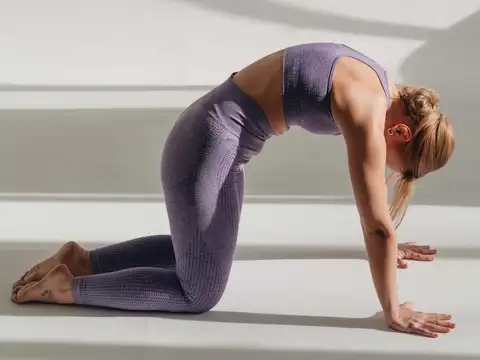
Cat-cow pose
Cat-cow can gently move the spine and may help loosen tension around the neck, shoulders and upper back. Start on your hands and knees, with your wrists beneath your shoulders and knees beneath your hips. Slowly round your back as you exhale, then gently arch it as you inhale. Avoid forcing the movement and keep your neck relaxed.
Amazon Top Deals
POWERED BY

Crompton Ozone 75 Litres Desert Air Cooler for home | Large & Easy Clean Ice Chamber | 4-Way Air Deflection | High Density Honeycomb Pads | Everlast Pump | Auto Fill| 3 Year Brand Warranty
₹9,798Buy Now43%
OFF

LG 32 L Convection Microwave Oven (MC3286BRUM, Black, 360° Motorised Rotisserie for Bar-be-queing, 301 Auto Cook Menu, Stainless steel cavity, Indian Cuisine, Tandoor Se, Steam Clean & Diet Fry)
₹19,090Buy Now20%
OFF
4/6
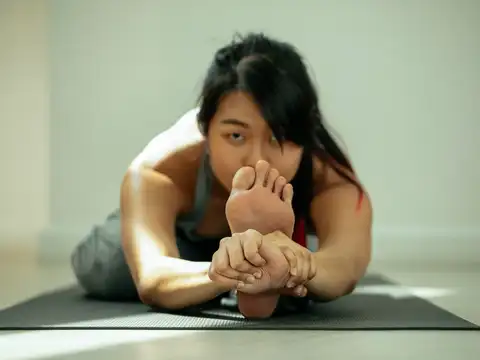
Seated forward fold
A gentle seated forward fold can help encourage relaxation and release tension in the back and shoulders. Sit with your legs comfortably extended or slightly bent. Hinge forwards from your hips and reach towards your legs without forcing the stretch. Use a cushion or folded blanket for support if needed. Stop if the position increases your headache, dizziness or nausea.
5/6
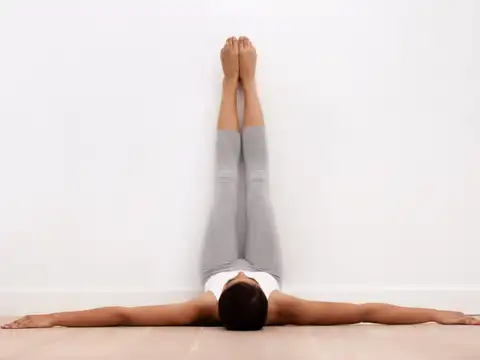
Legs-up-the-wall pose
Legs-up-the-wall is a restorative pose that encourages relaxation without requiring much physical effort. Sit sideways against a wall, gently turn on to your back and extend your legs upwards against the wall. Keep your arms relaxed by your sides and breathe slowly. Stay in the position only as long as it feels comfortable.
6/6
How to practise yoga safely with migraine
Yoga may be more useful as part of a regular routine between migraine attacks rather than as an attempt to push through severe symptoms. Choose gentle movements, stay hydrated and avoid poses or breathing exercises that make you feel worse. If a migraine is severe, sudden or different from your usual headaches, seek medical advice rather than relying on yoga. People with frequent or disabling migraines should also speak to a healthcare professional about appropriate treatment and prevention.