
Yoga for heart health: 5 simple poses to include in your daily routine
1/7
Heart health and yoga
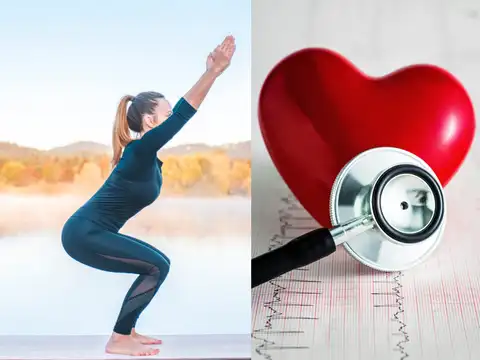
Yoga is often associated with flexibility and relaxation, but regular practice may also support heart health by helping manage stress and potentially improving certain cardiovascular risk factors, including blood pressure and cholesterol levels. A combination of gentle physical postures, controlled breathing and relaxation may be particularly useful as part of a healthy lifestyle. However, research on yoga and cardiovascular health is still developing, and it should complement rather than replace regular physical activity, a balanced diet, prescribed medicines and medical care.
2/7
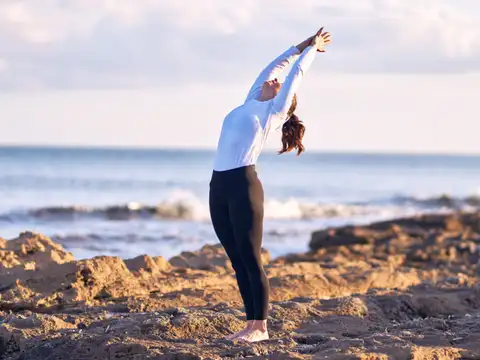
Tadasana (Mountain Pose) for gentle movement and posture
Tadasana, or Mountain Pose, is a simple standing posture that can help improve body awareness, balance and posture. Stand upright with your feet comfortably apart, keep your shoulders relaxed and distribute your weight evenly across both feet. Take slow, natural breaths while maintaining a comfortable position, without straining or holding your breath. Although Tadasana is not proven to directly strengthen the heart or prevent heart disease, it can be a gentle starting point for people who are new to yoga and want to establish a regular movement routine.
3/7
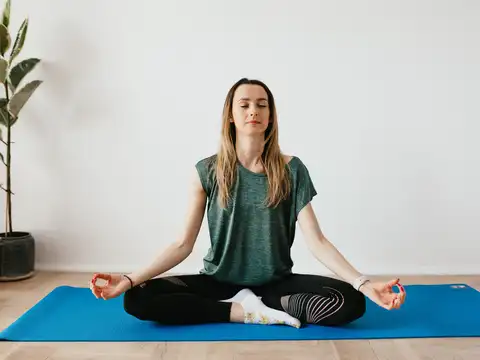
Sukhasana (Easy Pose) for relaxation and stress management
Sukhasana involves sitting comfortably with the legs crossed and the spine upright. Rest your hands on your knees, relax your shoulders and breathe slowly without forcing each breath. Spending a few minutes in this posture may encourage relaxation and help manage stress, which is relevant because chronic stress can contribute to cardiovascular risk. Yoga-based relaxation practices have shown promising effects on some heart-health risk factors, although the extent of the benefit varies across studies. People who find sitting on the floor uncomfortable can sit on a sturdy chair with their feet supported.
4/7
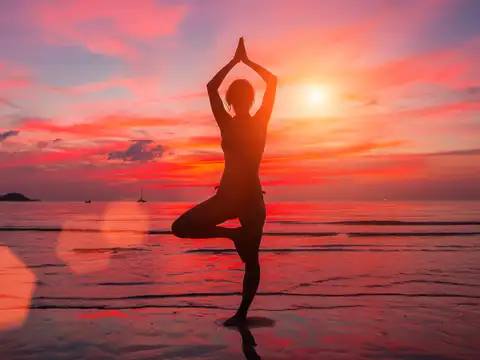
Vrikshasana (Tree Pose) for balance and stability
Vrikshasana, or Tree Pose, is a standing balance exercise that can help improve stability, coordination and concentration. Stand with your feet together or slightly apart, shift your weight gently on to one leg and place the sole of the other foot against your inner calf or thigh, avoiding the knee joint. Keep your hands at your chest or raise them overhead if comfortable, and use a wall or chair for support if needed. The pose does not have a proven direct effect on heart disease, but balance-focused movement can form part of an overall physical activity routine. Beginners should prioritise stability over holding the pose for a long time.
5/7
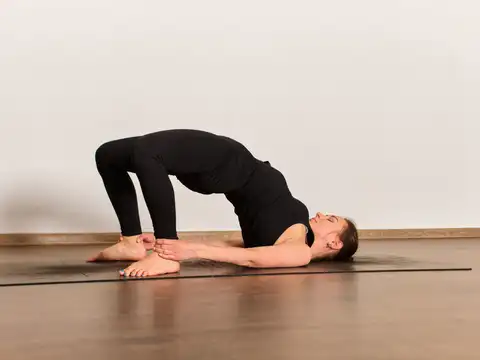
Setu Bandhasana (Bridge Pose) for gentle strengthening
Setu Bandhasana, commonly known as Bridge Pose, involves lying on your back with your knees bent and feet flat on the floor. Keep your arms beside your body, press your feet gently into the floor and lift your hips only as far as feels comfortable. Breathe normally, then lower your hips slowly. The posture works muscles around the hips and torso and can contribute to general strength and mobility. However, it should not be described as a treatment for cardiovascular disease or as a way to improve heart function directly. People with existing heart conditions, neck or back problems, or other physical limitations should check with a healthcare professional before trying it.

6/7
Shavasana (Corpse Pose) for rest and relaxation
Shavasana is a relaxation posture usually practised at the end of a yoga session. Lie on your back with your arms resting comfortably beside you, your legs relaxed and your eyes closed if you wish. Breathe naturally and allow your body to settle without trying to control every breath. This quiet period may help reduce tension and support mental well-being, which can be beneficial as part of a broader approach to cardiovascular health. People who feel uncomfortable lying flat can rest in a supported, comfortable position instead.
7/7
What to keep in mind
Evidence suggests that yoga may help improve some cardiovascular risk factors, but it has not been established as a stand-alone way to prevent heart attacks or strokes. Choose a style suited to your fitness level, avoid forceful breathing or breath-holding, and stop if you feel dizzy, breathless, unwell or experience chest discomfort. Anyone with heart disease, uncontrolled high blood pressure, or a recent heart attack or surgery should seek medical advice before beginning a yoga routine. Regular aerobic activity, such as brisk walking, remains an important part of maintaining heart health.