
Yoga for healthy ageing: 5 poses to improve balance, strength and flexibility
1/6
Ageing well with yoga
Ageing is a natural process, but staying physically active can help support mobility, balance, flexibility and overall wellbeing. Yoga combines gentle movement, stretching, balance and controlled breathing, making it a useful form of exercise for older adults when practised safely and within individual limits. Here are five yoga poses that can be included in a routine focused on healthy ageing.
2/6
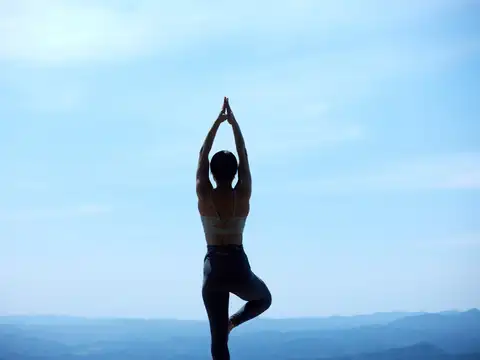
Tree Pose (Vrikshasana)
Tree Pose focuses on balance and concentration. Stand upright and shift your weight onto one leg. Place the sole of the other foot against the inner calf or thigh, avoiding the knee joint. Bring your hands together or keep them by your sides. If balance is a concern, practise next to a wall or hold a sturdy chair for support.
3/6
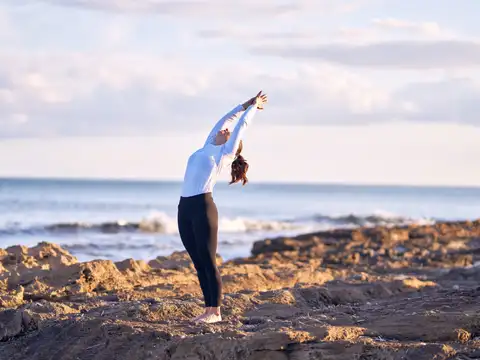
Mountain Pose (Tadasana)
Mountain Pose is a simple standing posture that encourages an upright body position and awareness of posture. Stand with your feet comfortably apart, keep your spine lengthened and relax your shoulders. Take slow, steady breaths while maintaining a stable stance. This pose can be particularly useful as a gentle starting point for a yoga session and can help practise standing balance.
Amazon Top Deals
POWERED BY

4/6
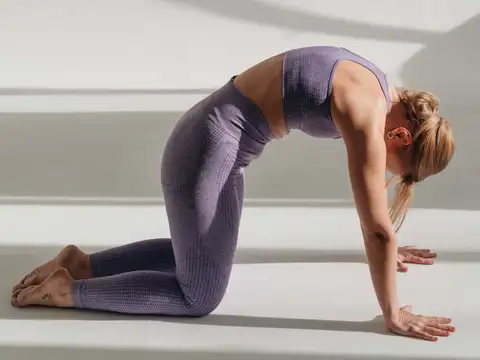
Cat-Cow Pose (Marjaryasana-Bitilasana)
Cat-Cow is a gentle movement that involves alternating between two positions on the hands and knees. On an inhale, gently lift the chest and tailbone; on an exhale, round the spine and draw the chin towards the chest. The movement can encourage spinal mobility and provide a gentle stretch for the back.
5/6
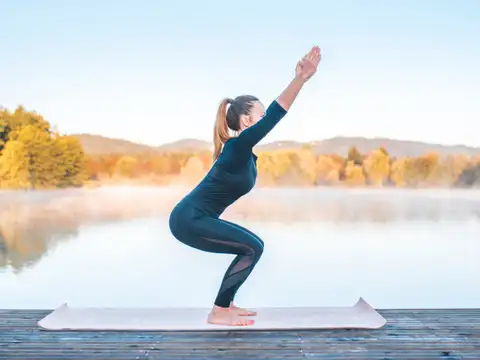
Chair Pose (Utkatasana)
Chair Pose engages several muscle groups in the lower body. Stand with your feet about hip-width apart and slowly bend your knees as if you were sitting back into an imaginary chair. Keep your chest lifted and avoid lowering further than feels comfortable. Older adults can practise a modified version by using a real chair for support and stability.
6/6
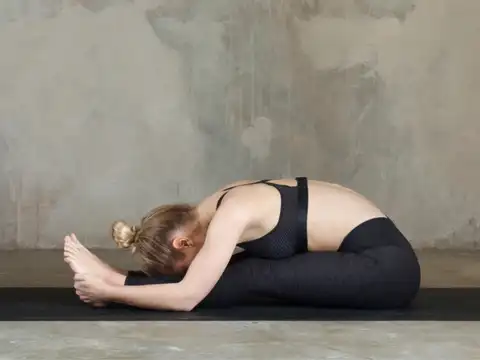
Seated Forward Bend (Paschimottanasana)
Seated Forward Bend involves sitting with the legs extended and gently leaning forwards from the hips. Keep the movement comfortable and avoid forcing the body towards the feet. Those with limited flexibility can bend the knees slightly or use a strap around the feet. The aim should be gentle stretching rather than reaching a particular depth.
Disclaimer: Yoga may support flexibility, balance, mobility and overall wellbeing, but it should not be considered a substitute for medical treatment. Older adults and people with existing health conditions, injuries or mobility concerns should consult a healthcare professional before starting a new exercise routine. Practise under proper guidance and stop if you experience pain, dizziness or discomfort.
Disclaimer: Yoga may support flexibility, balance, mobility and overall wellbeing, but it should not be considered a substitute for medical treatment. Older adults and people with existing health conditions, injuries or mobility concerns should consult a healthcare professional before starting a new exercise routine. Practise under proper guidance and stop if you experience pain, dizziness or discomfort.