
Wheat vs Jowar Roti: Health benefits, taste, and the right pick for your daily diet

1/6
The Indian Thali Staple
Wheat and Jowar: A Roti Face-OffDiscover the role of wheat and jowar rotis on the Indian plate. While wheat is a household comfort, jowar brings traditional wisdom and a dose of earthy nutrition.

2/6
Wheat Roti Benefits
Why Wheat Works for Everyday MealsSoft, familiar, and gluten-rich, wheat rotis are easy to roll and digest for many. Moderate glycemic index and fiber make them a reliable, energy-boosting daily choice.
3/6
Jowar Roti Advantages
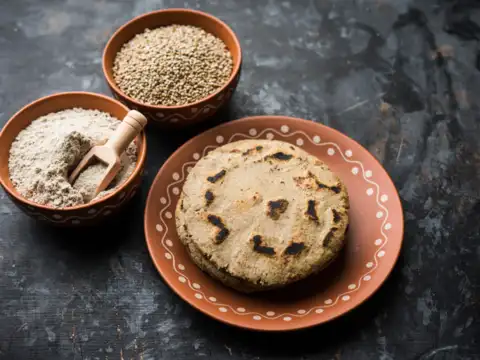
Jowar: The Gluten-Free PowerhouseJowar rotis are mineral-rich, low GI, and great for gut health. They keep you fuller longer and are perfect for summer diets or gluten-sensitive individuals.
Amazon Top Deals
POWERED BY

Crompton Ozone 75 Litres Desert Air Cooler for home | Large & Easy Clean Ice Chamber | 4-Way Air Deflection | High Density Honeycomb Pads | Everlast Pump | Auto Fill| 3 Year Brand Warranty
₹9,798Buy Now43%
OFF

atomberg Studio Smart+ 1200mm BLDC Ceiling Fan with IoT & Remote | BEE 5 star Rated Energy Efficient Ceiling Fan | High Air Delivery with LED Indicators | 3 Year Warranty (Earth Brown)
₹5,882Buy Now36%
OFF

LG 32 L Convection Microwave Oven (MC3286BRUM, Black, 360° Motorised Rotisserie for Bar-be-queing, 301 Auto Cook Menu, Stainless steel cavity, Indian Cuisine, Tandoor Se, Steam Clean & Diet Fry)
₹19,340Buy Now19%
OFF

4/6
Taste and Texture Talk
What to Expect on the PlateWheat is soft and pliable; jowar is hearty and slightly nutty. Each offers a unique eating experience—wheat for smoothness, jowar for a rustic, wholesome bite.

5/6
When to Choose What
Season, Schedule & Sensitivity MatterNeed quick meals? Pick wheat. Want something light, cooling, and gluten-free? Go for jowar. You can also mix them for a balanced, fiber-rich roti.

6/6
Final Roti Verdict
No One Winner—Just Smart ChoicesRotate between the two based on your digestion, lifestyle, and taste. Whether wheat or jowar, pair with veggies or ghee for maximum health benefits.