
Pink Salt over table salt? Is it a smart choice or not?
1/6
Himalayan salt
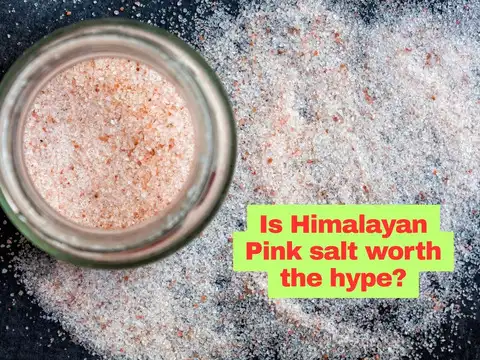
Himalayan pink salt sounds mystical and mineral-rich. The internet says it's healthier. But beneath the romantic narrative lies a simple truth: your body sees it exactly like regular salt. The trace minerals are too tiny to matter for blood pressure, yet the sodium content remains equally problematic. Let's unpack the science behind the pink grains.
2/6
What Himalayan salt actually is
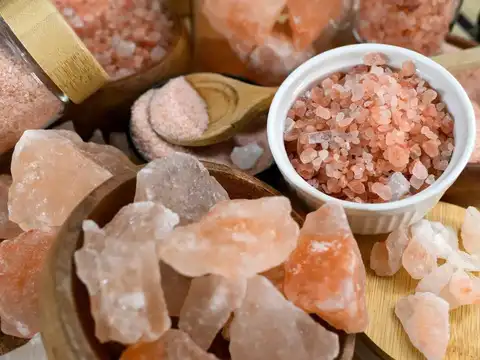
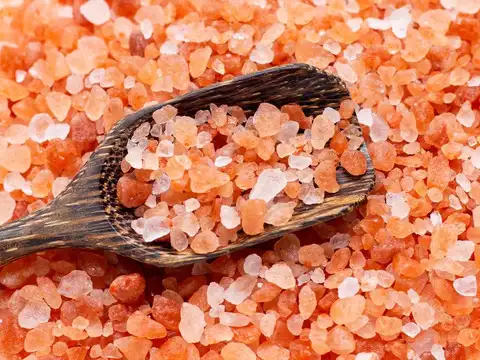
Pink salt comes from ancient mineral deposits, less processed than refined table salt. Both contain sodium chloride as their primary ingredient. The minerals you see (iron, magnesium, calcium) sound impressive but exist in such minuscule quantities they make zero difference to your cardiovascular health or blood pressure regulation.
3/6
The sodium trap: why mineral content doesn't save you
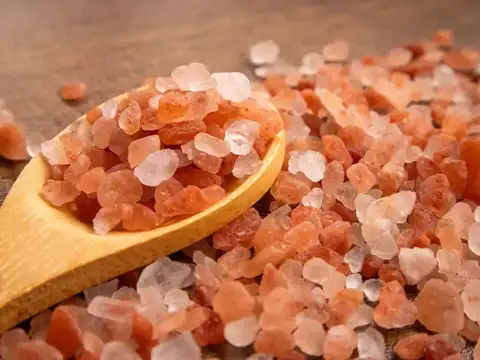
Here's the catch: one teaspoon of pink salt delivers almost identical sodium as regular salt. Your arteries don't care about trace minerals. Excess sodium causes your body to retain fluid, increasing blood volume and pressure against artery walls. This is the mechanism behind hypertension, regardless of salt color or marketing claims.
Amazon Top Deals
POWERED BY

4/6
Health risks: cardiovascular disease, kidney strain, stroke
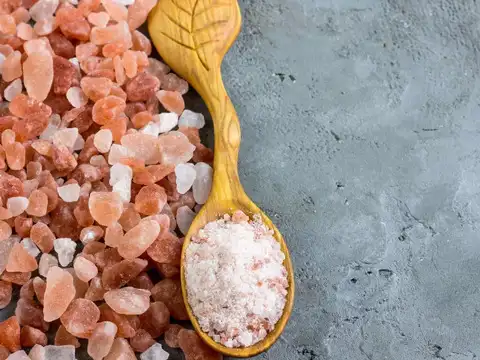
Overusing any salt type raises your cardiovascular disease, stroke, and kidney damage risk. People with existing hypertension or kidney disease face heightened danger. The coarser Himalayan grains tempt people to use more, thinking it's benign. This unconscious overconsumption becomes the real culprit behind elevated blood pressure.
5/6
What science actually recommends: potassium salt substitutes
Mayo Clinic and Harvard Health emphasize sodium reduction as the proven path to blood pressure control. Better option: potassium chloride salt substitutes. Randomized trials show potassium-based replacements cut hypertension risk significantly over two years. Annals of Internal Medicine confirmed cardiovascular death risk dropped with these substitutes.
6/6
Pink salt is still salt
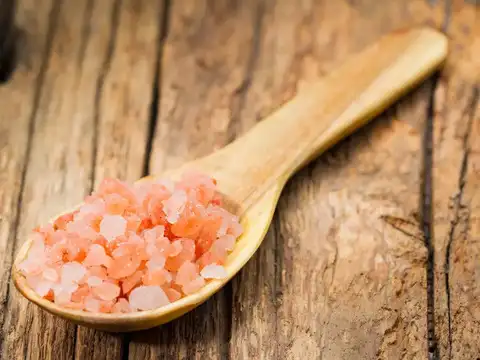
Himalayan salt isn't inherently harmful if used judiciously, but it's not protective either. Treat it like any other salt. The mineralogy doesn't offset sodium's vascular effects. Real heart health comes from consuming less salt overall, eating potassium-forward meals, and moving your body regularly. Marketing mystique shouldn't override cardiology facts.
(Disclaimer: This story is strictly for educational purposes only and does not substitute any professional medical advice and should not be considered as professional medical advice.)
(Disclaimer: This story is strictly for educational purposes only and does not substitute any professional medical advice and should not be considered as professional medical advice.)
READ MORE:
Himalayan salt blood pressure |pink salt hypertension health benefits |sodium chloride cardiovascular risk |potassium salt substitutes |salt alternatives heart health |Himalayan salt myth facts |blood pressure management diet |salt intake cardiovascular disease |natural salt myth |hypertension dietary control