
No AC needed: 7 smart roof-cooling hacks to beat extreme heat under Rs 2,000

1/8
Beating the heat starts at the top
With temperatures crossing 45°C across several Indian cities, rooftops are absorbing massive amounts of heat and turning homes into heat traps. The good news? You don't need expensive cooling systems to stay comfortable. These simple, low-cost roof-cooling tricks can help lower indoor temperatures naturally while reducing electricity bills.
2/8
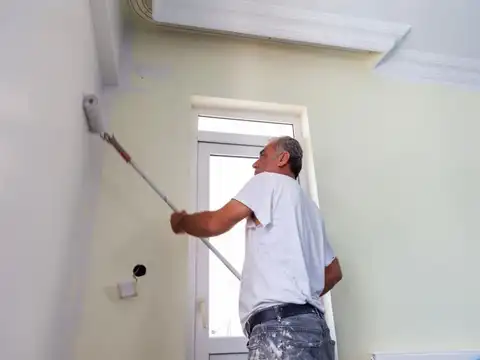
Whitewash your roof
Dark concrete roofs absorb sunlight throughout the day and continue radiating heat indoors even after sunset. Applying a coat of white paint or traditional lime wash can reflect a large portion of incoming solar radiation.Why it works:
- Reflects sunlight instead of absorbing it
- Reduces roof surface temperatures significantly
- Lowers indoor heat buildup
- Costs far less than installing cooling equipment
3/8
Apply a cool-roof coating
Special reflective coatings, including low-cost DIY mixtures made with lime and waterproofing compounds, are becoming increasingly popular. These coatings create a protective layer that reduces heat absorption and keeps roof surfaces cooler.Benefits:
- Reflects solar heat
- Protects roofs from weather damage
- Improves indoor comfort
- Can be applied without major structural changes
Amazon Top Deals
POWERED BY

Crompton Ozone 75 Litres Desert Air Cooler for home | Large & Easy Clean Ice Chamber | 4-Way Air Deflection | High Density Honeycomb Pads | Everlast Pump | Auto Fill| 3 Year Brand Warranty
₹9,798Buy Now43%
OFF

atomberg Studio Smart+ 1200mm BLDC Ceiling Fan with IoT & Remote | BEE 5 star Rated Energy Efficient Ceiling Fan | High Air Delivery with LED Indicators | 3 Year Warranty (Earth Brown)
₹5,903Buy Now36%
OFF

LG 32 L Convection Microwave Oven (MC3286BRUM, Black, 360° Motorised Rotisserie for Bar-be-queing, 301 Auto Cook Menu, Stainless steel cavity, Indian Cuisine, Tandoor Se, Steam Clean & Diet Fry)
₹19,340Buy Now19%
OFF

4/8
Install a shade net above the roof
One of the most effective ways to cool a roof is to prevent direct sunlight from reaching it. A shade net installed a few feet above the roof creates a protective barrier that reduces heat transfer.Why homeowners love it:
- Reduces direct solar exposure
- Creates an insulating air gap
- Easy to install and remove
- Works especially well on terraces

5/8
Create a rooftop garden
Plants act as natural air conditioners. Through transpiration, they release moisture into the atmosphere and cool the surrounding environment. Covering portions of the roof with potted plants or creating a small terrace garden can significantly reduce heat.Added advantages:
- Provides shade to the roof surface
- Improves air quality
- Creates a pleasant outdoor space
- Helps reduce the urban heat-island effect

6/8
Use bamboo mats or gunny bags
Before air conditioners became common, many households relied on natural insulating materials such as bamboo mats, straw sheets and jute sacks. These materials act as a protective layer between the sun and the roof.How to use them:
- Spread across exposed roof areas
- Secure them against strong winds
- Keep them slightly damp for extra cooling
7/8
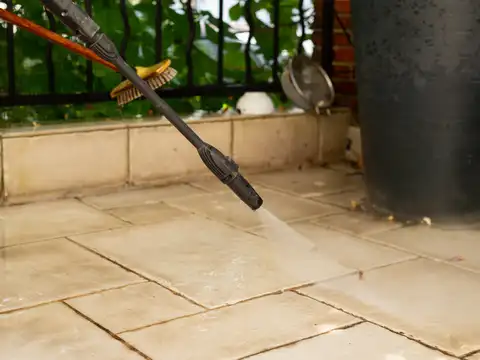
Sprinkle water on the roof
Water is one of the oldest and simplest cooling tools. Sprinkling water on a heated roof lowers surface temperatures as the water evaporates.Why it helps:
- Rapidly cools roof surfaces
- Reduces heat entering the house
- Provides immediate relief during heatwaves
- Requires minimal investment
8/8
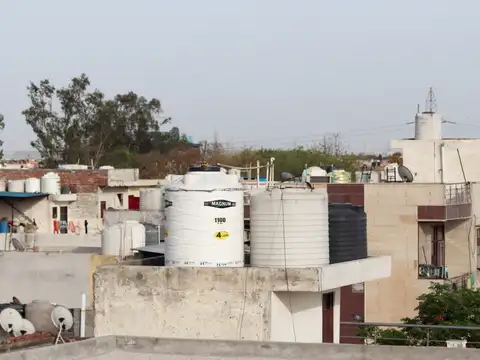
Improve roof ventilation
Heat often gets trapped beneath roofs and inside upper floors. Proper ventilation allows this hot air to escape, preventing rooms from becoming unbearably warm.Effective options include:
- Roof ventilators
- Air vents near ceilings
- Exhaust fans
- Cross-ventilation through windows