
Navratri Colours 2026: Complete day-wise colour list for all nine days of the festival
1/10
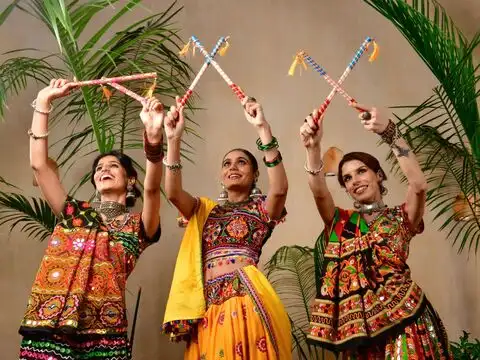
Navratri 2026: Nine days, nine colours
Navratri 2026 begins on October 11 and concludes on October 19, with devotees worshipping the nine forms of Goddess Durga over nine days. Each day is associated with a particular colour, which many devotees wear as part of their prayers and celebrations. The nine Navratri colours are traditionally linked to the form of Goddess Durga worshipped on each day and are associated with different qualities, including strength, devotion, peace, prosperity and wisdom. From orange on the first day to peacock green on the ninth, here is the complete list of Navratri colours for 2026, along with the significance of each day.
2/10
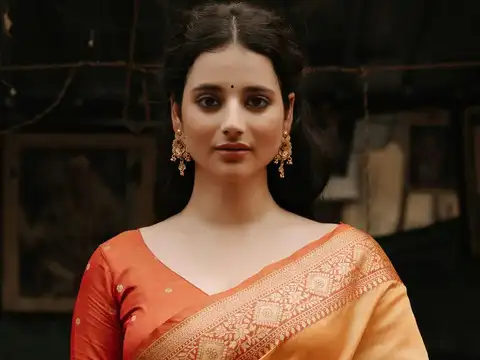
Navratri Day 1 colour: Orange (October 11)
The first day of Navratri marks the beginning of the festival with Ghatasthapana, the ritual installation of a sacred kalash. Devotees worship Maa Shailputri, the first form of Goddess Durga, and seek blessings for strength, prosperity and well-being. Orange is associated with enthusiasm, energy and positivity. Devotees who follow the Navratri colour tradition may wear orange clothing while offering prayers on this day.
3/10
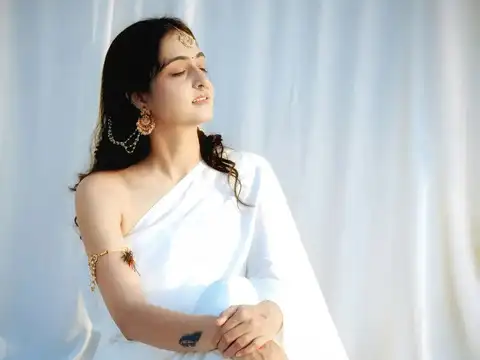
Navratri Day 2 colour: White (October 12)
The second day is dedicated to Maa Brahmacharini, who represents devotion, discipline and perseverance. Devotees pray for patience, spiritual growth and the strength to remain committed to their goals. White is associated with peace, purity and tranquillity. Wearing white is considered a way to reflect these qualities during worship.
4/10
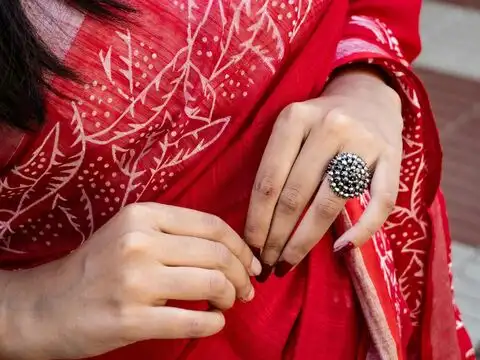
Navratri Day 3 colour: Red (October 13)
On the third day, devotees worship Maa Chandraghanta, a form of Goddess Durga associated with courage and protection. Prayers are offered for peace, confidence and the ability to overcome challenges. Red symbolises energy, strength and passion. It is also closely associated with Goddess Durga and is a prominent colour during religious celebrations.
5/10
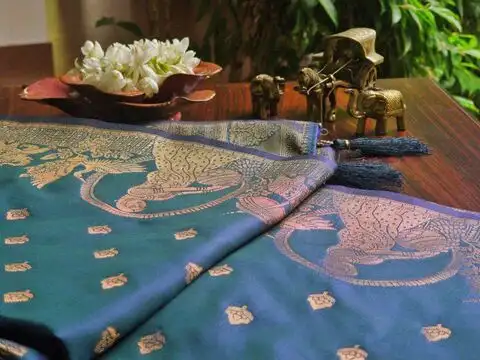
Navratri Day 4 colour: Royal blue (October 14)
The fourth day is dedicated to Maa Kushmanda, who is associated with creation, energy and vitality. Devotees seek blessings for health, happiness and prosperity. Royal blue represents confidence, stability and strength. The colour is associated with a sense of calm and determination during the festival.
6/10
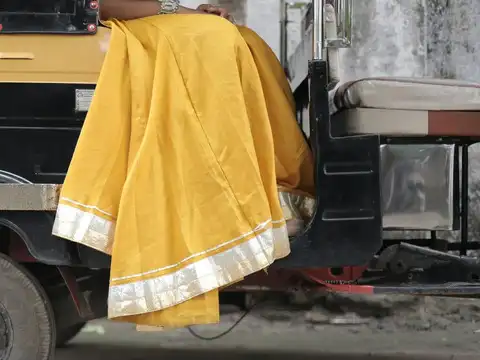
Navratri Day 5 colour: Yellow (October 15)
The fifth day is dedicated to Maa Skandamata, the mother of Lord Kartikeya. Devotees worship her for family well-being, happiness and protection. Yellow is associated with joy, optimism and prosperity. Many devotees wear yellow on this day as a symbol of positivity and hope.
7/10
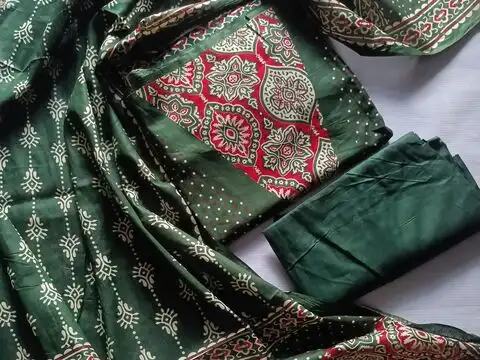
Navratri Day 6 colour: Green (October 16)
On the sixth day, devotees worship Maa Katyayani, who symbolises courage and the power to overcome obstacles. Prayers are offered for strength, confidence and success. Green is associated with growth, renewal and harmony. The colour also represents nature and prosperity, making it a popular choice for devotees observing the daily Navratri colour tradition.
8/10
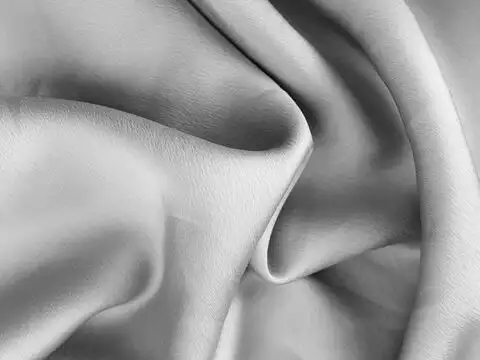
Navratri Day 7 colour: Grey (October 17)
The seventh day is dedicated to Maa Kalaratri, a fierce form of Goddess Durga associated with protection from negativity and the removal of fear. Devotees seek her blessings for courage and protection from difficulties. Grey represents balance, composure and resilience. It is associated with remaining steady through challenging circumstances.
9/10
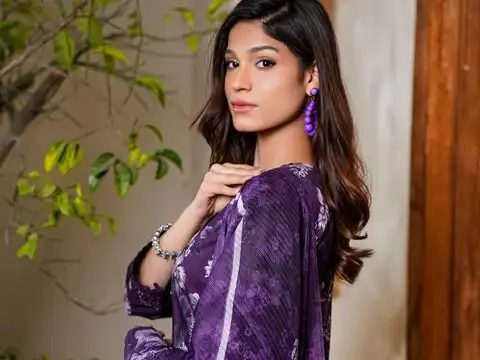
Navratri Day 8 colour: Purple (October 18)
The eighth day is associated with the worship of Maa Mahagauri, who symbolises purity, serenity and compassion. Durga Ashtami is an important observance for many devotees, with special prayers and, in some households, Kanya Puja. Purple is associated with spirituality, dignity and prosperity. Devotees who follow the colour tradition may wear purple while offering prayers to Maa Mahagauri.
10/10
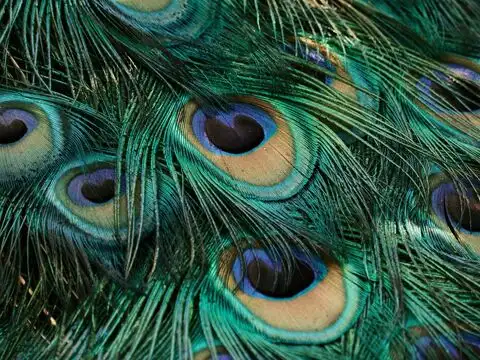
Navratri Day 9 colour: Peacock green (October 19)
The ninth and final day is dedicated to Maa Siddhidatri, who is associated with wisdom, spiritual fulfilment and the attainment of divine blessings. Devotees offer prayers and may perform Navami Homa as part of their religious observances. Peacock green is associated with uniqueness, harmony and spiritual richness. The colour marks the final day of the nine-day festival, which celebrates the nine forms of Goddess Durga.