Karwa Chauth 2026 date, fasting time, puja muhurat and moonrise: What women observing the vrat need to know
Karwa Chauth 2026 date and time: Karwa Chauth 2026 will be observed on Wednesday, October 28. The festival is traditionally marked by a day-long fast, evening puja and moon worship, with devotees breaking the fast after sighting the moon. Here are...
Karwa Chauth date 2026: Karwa Chauth 2026 will be observed on Wednesday, October 28. The festival is traditionally observed by married Hindu women, who keep a day-long fast and offer prayers for the long life, wellbeing and prosperity of their husbands. The fast is traditionally broken after sighting the moon in the evening.
Karwa Chauth 2026 date and timings
Karwa Chauth will fall on Wednesday, October 28, 2026. According to the Hindu lunar calendar, it is observed during Krishna Paksha Chaturthi in the month of Kartik. In regions following the Amanta calendar, including Maharashtra, Gujarat and parts of southern India, the same day falls in the month of Ashwin.
The festival is observed on the same date across these regions despite the difference in the names of the lunar months.
Gandhi wasn’t first choice for Indian currency notes: Who was considered instead & how 'Father of the Nation' became part of our banknotes
1/6
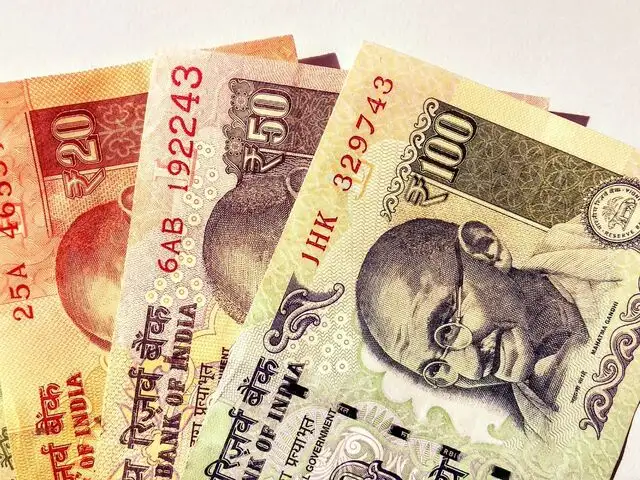
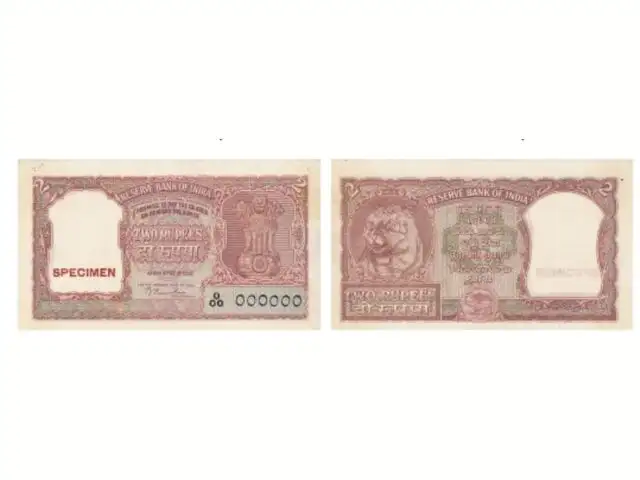
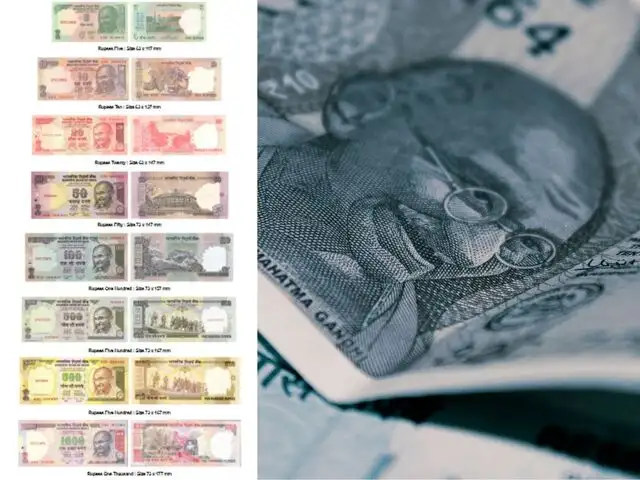
Today, Mahatma Gandhi’s portrait is almost instantly associated with Indian currency, but that was not the plan when India became independent. According to the Reserve Bank of India (RBI), the government initially considered replacing the portrait of King George on banknotes with Gandhi’s image. Designs were even prepared for this purpose. However, the final consensus was to use the Lion Capital of Ashoka at Sarnath instead. The RBI says the first banknote issued by independent India was the Re 1 note in 1949, carrying the Lion Capital symbol in place of the British king’s portrait.
Today, Mahatma Gandhi’s portrait is almost instantly associated with Indian currency, but that was not the plan when India became independent. According to the Reserve Bank of India (RBI), the govern..
Read More
For several decades, Indian banknotes featured symbols of the country’s culture, development and scientific progress rather than Gandhi’s portrait. According to the RBI, the Ashoka Pillar series included images and motifs representing science and technology, progress and Indian art forms. The designs also featured subjects such as animals, dams and other symbols of a developing India. This approach continued through much of the 1950s, 1960s and beyond, before Gandhi’s image began appearing on commemorative and later regular currency notes.
For several decades, Indian banknotes featured symbols of the country’s culture, development and scientific progress rather than Gandhi’s portrait. According to the RBI, the Ashoka Pillar series incl..
Read More
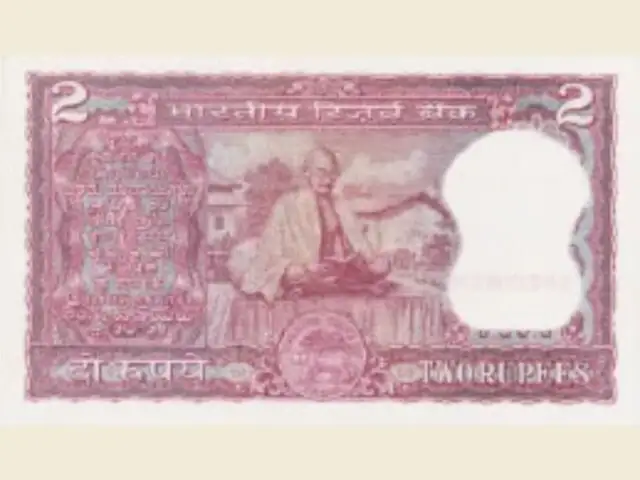
Gandhi’s image eventually made its way onto Indian currency in 1969, marking his birth centenary. The RBI Museum records that a special commemorative series showed Gandhi seated with Sevagram Ashram in the background. This was different from the later banknotes that carried his portrait as a standard design feature.
Gandhi’s image eventually made its way onto Indian currency in 1969, marking his birth centenary. The RBI Museum records that a special commemorative series showed Gandhi seated with Sevagram Ashram ..
Read More
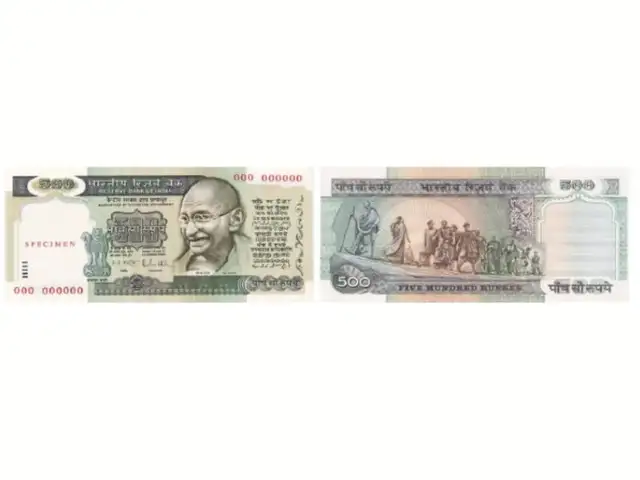
A major change came in October 1987, when the Rs 500 banknote was introduced with a portrait of Mahatma Gandhi along with the Ashoka Pillar watermark, according to the RBI’s currency records. The design showed Gandhi leading a group of people. This marked Gandhi’s return to a regular banknote denomination after his earlier commemorative appearance in 1969.
A major change came in October 1987, when the Rs 500 banknote was introduced with a portrait of Mahatma Gandhi along with the Ashoka Pillar watermark, according to the RBI’s currency records. The des..
Read More
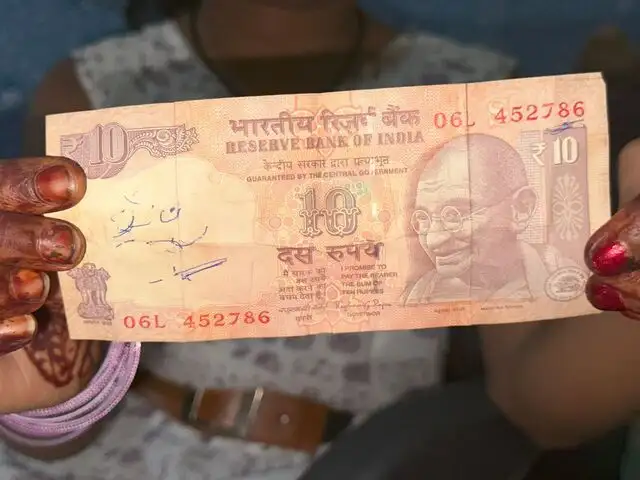
The next major step came with the Mahatma Gandhi Series launched in 1996. The RBI says the series replaced the Ashoka Pillar portrait position on the front of the notes with Gandhi’s portrait, while retaining the Ashoka Pillar emblem elsewhere on the note. The series was introduced across denominations over several years, including Rs 10 and Rs 100 in 1996, Rs 50 in 1997 and higher denominations later. The notes also brought enhanced security features such as security threads and watermarks.
The next major step came with the Mahatma Gandhi Series launched in 1996. The RBI says the series replaced the Ashoka Pillar portrait position on the front of the notes with Gandhi’s portrait, while ..
Read More
Gandhi’s place on Indian currency has occasionally been debated. In 2016, when asked whether the government planned to replace or add portraits of other leaders, then Minister of State for Finance Arjun Ram Meghwal told the Rajya Sabha that “a Committee was formed during UPA which has already decided that there is no need to change Mahatma Gandhi's photo on the currency notes.” The government has also said that banknote designs and security features are decided by the Centre in consultation with the RBI. Over the years, names including Jawaharlal Nehru, Subhas Chandra Bose and Sardar Patel have been suggested in public debates, while a 2022 proposal by the Aam Aadmi Party to feature Lakshmi and Ganesha also triggered political debate. Separately, Gandhi’s great-grandson Tushar Gandhi criticised the absence of Bapu’s image from the digital rupee design in a social media post. Despite these debates, Gandhi’s portrait remains a defining feature of India’s banknotes.
Gandhi’s place on Indian currency has occasionally been debated. In 2016, when asked whether the government planned to replace or add portraits of other leaders, then Minister of State for Finance Ar..
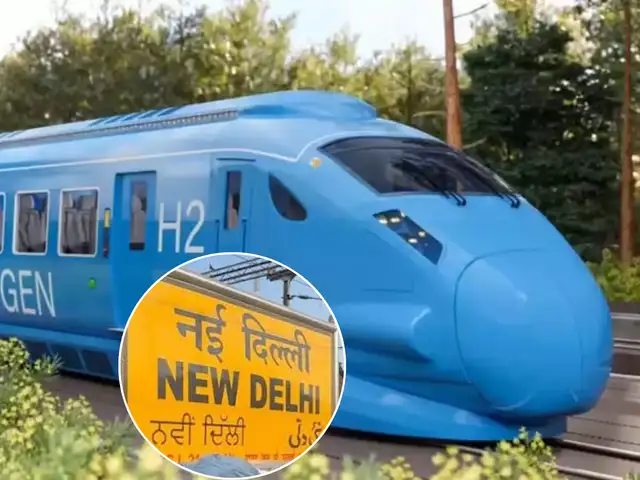
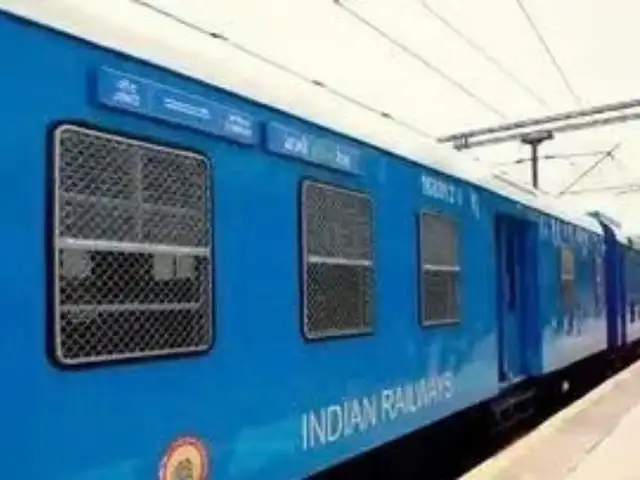
India’s first indigenous hydrogen-powered train could soon be extended to Delhi after seeing limited passenger traffic on its existing 89-km Jind-Sonipat route in Haryana. The train, which began operations on July 17, has a capacity of around 2,600 passengers, but only about 40-60 passengers reportedly travel on the full route, according to officials cited by PTI.
India’s first indigenous hydrogen-powered train could soon be extended to Delhi after seeing limited passenger traffic on its existing 89-km Jind-Sonipat route in Haryana. The train, which began oper..
Read More
Indian Railways is considering extending the hydrogen train to Azadpur station in Delhi, located close to the city’s wholesale fruits and vegetables market. Railway officials said the train has completed two months of successful operations as a technology demonstrator, while teams are working on the requirements for extending its service towards Delhi.
Indian Railways is considering extending the hydrogen train to Azadpur station in Delhi, located close to the city’s wholesale fruits and vegetables market. Railway officials said the train has compl..
Read More
The low ridership appears to be linked more to the route than the train itself. The hydrogen service replaced a DEMU train that also had limited passenger traffic. Railway staff said there are few office commuters or industrial workers travelling between Jind and Sonipat, while three other DEMU services on the route also reportedly see low footfall. Local passengers have therefore suggested extending the train towards Delhi to make better use of the service.
The low ridership appears to be linked more to the route than the train itself. The hydrogen service replaced a DEMU train that also had limited passenger traffic. Railway staff said there are few of..
Read More
Fuel range is not expected to be the biggest hurdle. Officials said the train can cover around 250-300 km on a full tank, while the distance between Jind and Delhi is about 130 km. At present, however, the train can be refuelled only at Jind. Capacity could be a bigger challenge, as the 10-coach hydrogen train can carry around 2,600 passengers, while trains serving Delhi often require 18-20 coaches because of high commuter demand and track capacity constraints.
Fuel range is not expected to be the biggest hurdle. Officials said the train can cover around 250-300 km on a full tank, while the distance between Jind and Delhi is about 130 km. At present, howeve..
Read More
If extending the hydrogen train to Delhi proves difficult, local passengers have suggested changing its route within Haryana. One proposal is to run the train from Jind to Sonipat, then towards Panipat and Safidon before returning to Jind. The proposed circuit would cover around 180 km and could serve more commuters, particularly because Panipat is an important industrial area.
If extending the hydrogen train to Delhi proves difficult, local passengers have suggested changing its route within Haryana. One proposal is to run the train from Jind to Sonipat, then towards Panip..
Read More
The train’s launch in July marked an important step in Indian Railways’ efforts to explore hydrogen-powered transportation. Railway officials have described it as a pilot project and said experts are closely monitoring its operation and trial runs towards Delhi. Since the technology is new and passenger safety remains a priority, the final decision on extending the hydrogen train service to Delhi will be taken after further assessment.
The train’s launch in July marked an important step in Indian Railways’ efforts to explore hydrogen-powered transportation. Railway officials have described it as a pilot project and said experts are..
The Chaturthi Tithi begins at 2:36 pm on October 28 and ends at 11:39 am on October 29, 2026.
Karwa Chauth is observed during the Krishna Paksha Chaturthi, making the timing of the lunar day important for determining the festival date.
ADVERTISEMENT
Why is Karwa Chauth celebrated?
Karwa Chauth is traditionally associated with prayers for the long life, wellbeing and prosperity of one's husband. Married women observe the fast and take part in evening rituals, worshipping Lord Shiva, Goddess Parvati, Lord Ganesha and other members of the Shiva family.
A central part of the festival is the worship of the moon. After moonrise, devotees offer arghya, or a water offering, to the moon and then traditionally break their fast.
ADVERTISEMENT
While the festival has traditionally been associated with married women, customs and ways of observing Karwa Chauth can vary between families and regions.
What is Karwa Chauth fasting?
Karwa Chauth is traditionally considered a strict fast. In the customary form, women begin the fast after the pre-dawn meal and refrain from food and water during the day until the moon is sighted in the evening.
The fast is then traditionally concluded after the moonrise rituals.
Practices can differ from one household to another, and people may observe the vrat according to their family traditions and personal circumstances.
What is Karak Chaturthi?
Karwa Chauth is also known as Karak Chaturthi. The word karwa or karak refers to the earthen pot traditionally used to offer water, or arghya, to the moon during the evening rituals.
The karwa has an important place in the festival's puja and may also be given as daan according to traditional customs.
Karwa Chauth and Sankashti Chaturthi
Karwa Chauth coincides with Sankashti Chaturthi, a monthly fasting day dedicated to Lord Ganesha.
In Maharashtra and some other regions, the day is observed as Vakratunda Sankashti Chaturthi, with devotees worshipping Lord Ganesha in his Vakratunda form. Vakratunda is traditionally counted among the eight forms of Lord Ganesha associated with Ashta Vinayaka.
Although the two vrats fall on the same lunar day, their rituals and traditional significance are distinct.
Karwa Chauth and Ahoi Ashtami
Karwa Chauth is followed four days later by Ahoi Ashtami, another important Hindu vrat. Traditionally, Ahoi Ashtami is associated with prayers for the wellbeing and prosperity of children, particularly sons in some traditional practices.
Karwa Chauth 2026: Key timings at a glance
Occasion
Date/time
Karwa Chauth
Wednesday, October 28, 2026
Chaturthi Tithi begins
October 28, 2:36 pm
Fasting begins
October 28, 7:44 am
Puja Muhurat
6:31 pm to 7:50 pm
Moonrise
8:22 pm
Fasting ends
October 28, 8:22 pm
Chaturthi Tithi ends
October 29, 11:39 am
Note: Timings can vary slightly depending on the location. Devotees should check local panchang timings for their city before following the vrat or puja schedule.
Business News › News › Trending › Karwa Chauth 2026 date, fasting time, puja muhurat and moonrise: What women observing the vrat need to knowText Size:AAA