ISRO scientist used to wake up at 5 am to memorise Vedas: Meet Kerala’s Govind Krishnan, who left regular school after Class 4, studied at a gurukula, cracked JEE Advanced & joined IIST
Govind Krishnan from Kerala left conventional school at 10 to study the Vedas at a gurukula in Thrissur. He later returned to regular schooling, cleared JEE, studied electronics and communication at IIST and was selected to join ISRO. His unusual ...
By Trending Desk, ET Online |

ET Online
Govind Krishnan balanced Vedic learning and science
At 10, while most children were getting used to school timetables, homework and classroom lessons, Govind Krishnan M was following a very different routine. His day began at 5 am at a gurukula in Thrissur, where he spent years learning the Vedas through chanting, listening and memorisation.
Years later, that same student would take a very different academic route. He cleared JEE Main and JEE Advanced, studied Electronics and Communication at the Indian Institute of Space Science and Technology (IIST) in Thiruvananthapuram and was selected to join the Vikram Sarabhai Space Centre (VSSC), ISRO’s lead centre at Thumba.
Read more - WhatsApp changes for parents: New controls let you track teen group activity, manage privacy settings & limit Meta AI, without seeing chats
After his upanayanam, or sacred thread ceremony, Govind joined Bhramaswam Madham in Thrissur. The course was expected to take five years, but he completed it in four.

There were no conventional textbooks or visual aids for much of the Vedic training. Govind listened to his guru, repeated the verses and committed them to memory.
Although he was enrolled in a nearby government school, his main focus during those years was gurukula education, with the school largely serving his formal examination requirements.
The strict routine was demanding, particularly for a child living away from home. But it also taught him how to structure his day and stay focused on a task.
His schedule became extremely demanding. Gurukula sessions continued in the morning and again after school, leaving him with limited time to prepare for his regular academic subjects.
Despite the packed routine, he completed Class 10 with full A+ grades. He later moved to Alva’s College in Moodbidri, Mangaluru, for higher secondary education and began preparing for engineering entrance examinations.
His efforts paid off when he cleared both JEE Main and JEE Advanced.
The move from traditional Vedic education to a specialised institute focused on space science and technology may seem like a dramatic change. For Govind, however, the two experiences could coexist.
He continued the spiritual practices he had picked up at the gurukula even after leaving it. He compared the habit to going to a gym, except that his focus was on mental clarity, concentration and memory.
Over time, the routine became less rigid but remained part of his daily life.
He has also clarified that learning the Vedas alone does not make someone a temple priest. Traditional priesthood requires additional training in rituals and related practices.
For Govind, the Vedic education remained valuable even as his career moved in another direction.
His journey from a small gurukula classroom to one of India’s best-known space centres brought together two very different forms of learning, one rooted in oral tradition and the other in modern science and technology.
Govind has said that he never saw the two as mutually exclusive. The discipline and concentration developed during his childhood continued to be part of his approach to life, even as his academic career took him into engineering and space science.
His story is ultimately not about abandoning one education system for another. It is about carrying lessons from one phase into the next, from waking up at 5 am for Vedic lessons and memorising verses to clearing JEE Advanced, studying at IIST and beginning a career at ISRO.
For Govind, the two worlds did not have to compete. He chose to make room for both.
Inputs from TOI
Years later, that same student would take a very different academic route. He cleared JEE Main and JEE Advanced, studied Electronics and Communication at the Indian Institute of Space Science and Technology (IIST) in Thiruvananthapuram and was selected to join the Vikram Sarabhai Space Centre (VSSC), ISRO’s lead centre at Thumba.
Read more - WhatsApp changes for parents: New controls let you track teen group activity, manage privacy settings & limit Meta AI, without seeing chats
Why Govind left regular school after Class 4
As per a 2025 report by Onmanorama, Govind’s journey into Vedic education began after he completed Class 4 at Kendriya Vidyalaya in Payyannur. In 2011, his father, Hareesh Kumar, a former Indian Navy officer, decided to introduce him to traditional Vedic learning.After his upanayanam, or sacred thread ceremony, Govind joined Bhramaswam Madham in Thrissur. The course was expected to take five years, but he completed it in four.
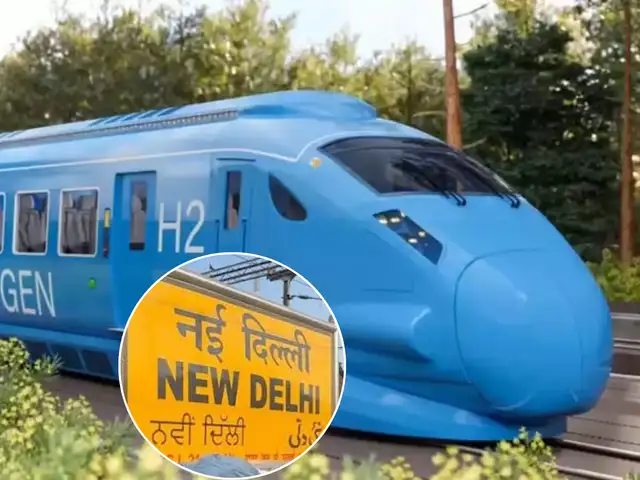
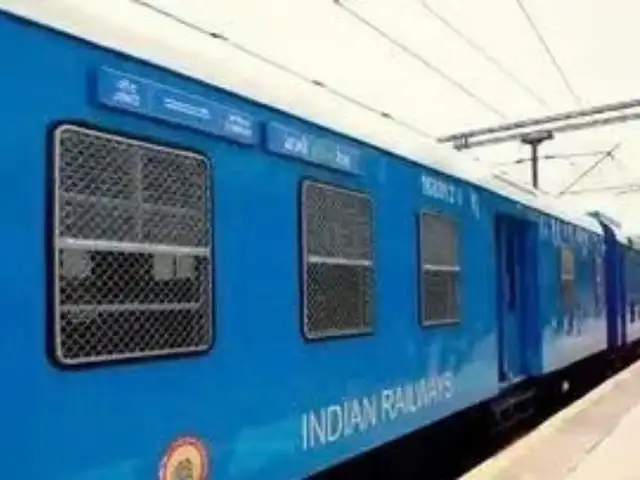
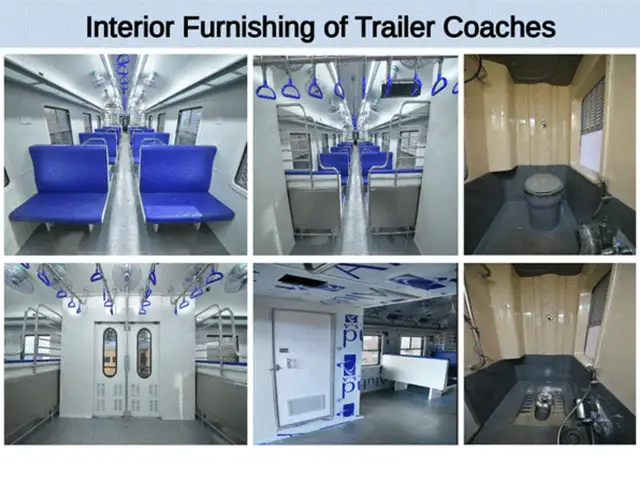
India’s first indigenous hydrogen-powered train could soon be extended to Delhi after seeing limited passenger traffic on its existing 89-km Jind-Sonipat route in Haryana. The train, which began operations on July 17, has a capacity of around 2,600 passengers, but only about 40-60 passengers reportedly travel on the full route, according to officials cited by PTI.

ADVERTISEMENT
A school life without textbooks
The gurukula routine was unlike conventional schooling. Students began their day early and spent much of their time learning through oral instruction.There were no conventional textbooks or visual aids for much of the Vedic training. Govind listened to his guru, repeated the verses and committed them to memory.
Although he was enrolled in a nearby government school, his main focus during those years was gurukula education, with the school largely serving his formal examination requirements.
The strict routine was demanding, particularly for a child living away from home. But it also taught him how to structure his day and stay focused on a task.
ADVERTISEMENT
He eventually had to balance two demanding worlds
By the fifth year, Govind returned to regular schooling while continuing his gurukula sessions. He joined Vivekodayam Boys Higher Secondary School in Nadakkavu for Classes 8 to 10.His schedule became extremely demanding. Gurukula sessions continued in the morning and again after school, leaving him with limited time to prepare for his regular academic subjects.
ADVERTISEMENT
Despite the packed routine, he completed Class 10 with full A+ grades. He later moved to Alva’s College in Moodbidri, Mangaluru, for higher secondary education and began preparing for engineering entrance examinations.
His efforts paid off when he cleared both JEE Main and JEE Advanced.
From Vedic education to space technology
His JEE Advanced performance opened the door to IIST, where he joined the BTech Electronics and Communication programme in 2021.The move from traditional Vedic education to a specialised institute focused on space science and technology may seem like a dramatic change. For Govind, however, the two experiences could coexist.
He continued the spiritual practices he had picked up at the gurukula even after leaving it. He compared the habit to going to a gym, except that his focus was on mental clarity, concentration and memory.
Over time, the routine became less rigid but remained part of his daily life.
Govind’s classmates chose a different path
His own career path was unusual even within his gurukula batch. While the other students eventually moved towards priesthood, reflecting their family backgrounds, Govind chose engineering and science.He has also clarified that learning the Vedas alone does not make someone a temple priest. Traditional priesthood requires additional training in rituals and related practices.
For Govind, the Vedic education remained valuable even as his career moved in another direction.
The journey eventually led to ISRO
In 2025, Govind was selected through the ISRO Centralised Recruitment Board process and was scheduled to join the Vikram Sarabhai Space Centre in July that year.His journey from a small gurukula classroom to one of India’s best-known space centres brought together two very different forms of learning, one rooted in oral tradition and the other in modern science and technology.
Govind has said that he never saw the two as mutually exclusive. The discipline and concentration developed during his childhood continued to be part of his approach to life, even as his academic career took him into engineering and space science.
His story is ultimately not about abandoning one education system for another. It is about carrying lessons from one phase into the next, from waking up at 5 am for Vedic lessons and memorising verses to clearing JEE Advanced, studying at IIST and beginning a career at ISRO.
For Govind, the two worlds did not have to compete. He chose to make room for both.
Inputs from TOI
Download
The Economic Times Business News App for the Latest News in Business, Sensex, Stock Market Updates & More.
The Economic Times Business News App for the Latest News in Business, Sensex, Stock Market Updates & More.
Download
The Economic Times News App for Quarterly Results, Latest News in ITR, Business, Share Market, Live Sensex News & More.
The Economic Times News App for Quarterly Results, Latest News in ITR, Business, Share Market, Live Sensex News & More.
ADVERTISEMENT


