
India's first hydrogen train, with water as its only byproduct, launched: Route, timings, stoppages, how it works and more
1/7
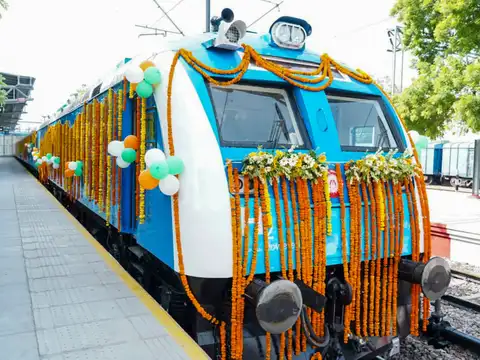
PM Modi flags off India's first hydrogen train
Prime Minister Narendra Modi has flagged off India's first hydrogen-powered train, marking the country's entry into zero-emission rail transport. The train will initially operate as a pilot service in Haryana.
2/7
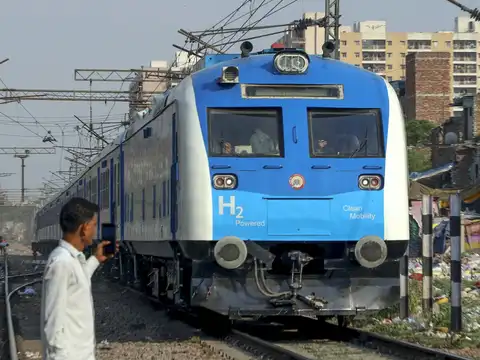
Full list of stations
The train will halt at the following stations:
- Jind Junction
- Bishanpur Haryana
- Kinana
- Jai Jai Wanti
- Julana
- Kila Zafargarh
- Lakhan Majra Halt
- Karainthi
- Sampla
- Ismaila Haryana
- Rohad Nagar
- Asaudah
- Ghevra
- Rathdhana
- Harsana Kalan
- Sonipat Junction
3/7
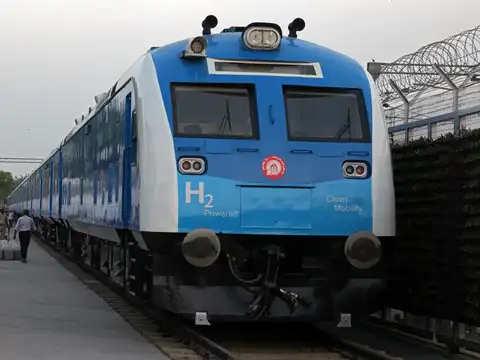
Train timings
Train No. 04913 (Jind to Sonipat): Departs 5:05 am, arrives 7:35 am
Train No. 04914 (Sonipat to Jind): Departs 8:05 am, reaches 10:35 am
The journey takes about 2 hours and 30 minutes.
Train No. 04914 (Sonipat to Jind): Departs 8:05 am, reaches 10:35 am
The journey takes about 2 hours and 30 minutes.
Amazon Top Deals
POWERED BY
4/7
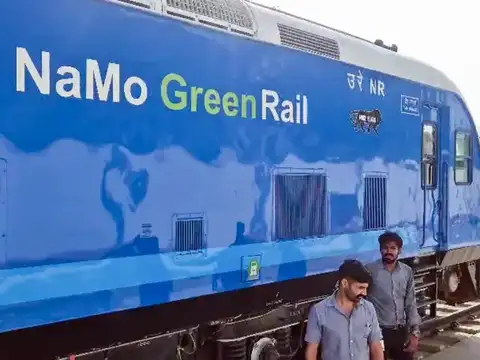
Which route will the train run on
The hydrogen train will operate on the Jind-Sonipat route in Haryana under Northern Railway. The line stretches 89 km and connects key towns in the state.
5/7
Speed and passenger capacity
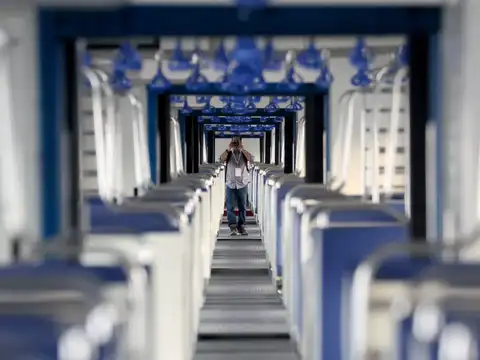
- Maximum operating speed: 75 kmph
- Coaches: 10
- Passenger capacity: Around 2,600
6/7
How often will it run
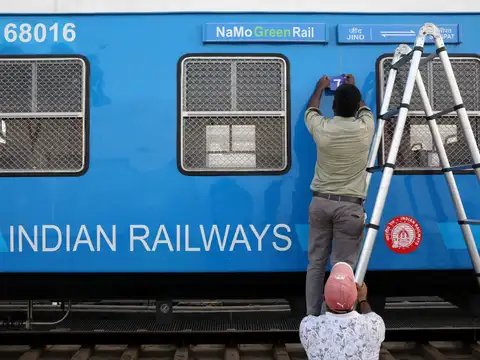
The hydrogen-powered train has been introduced as a daily passenger service on the Jind-Sonipat section. It will replace a diesel-powered DEMU on the route as part of Indian Railways' green mobility initiative.

7/7
How does the train work
Instead of diesel, the train uses hydrogen fuel cells to generate electricity. The only by-product of the process is water vapour, making it an eco-friendly alternative to conventional diesel trains.