
How to use baking soda as natural pest control solution & make your plants healthier
1/5
Easy baking soda gardening tricks
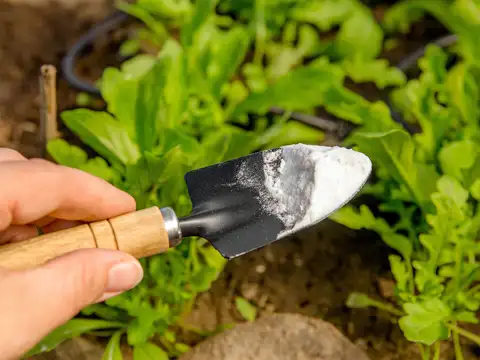
Baking Soda is no longer just a kitchen essential. Gardeners across the UK and around the world are increasingly using baking soda in the garden as a simple, affordable and chemical-free way to support healthier plants, brighter flowers and better pest control. Thanks to its mild alkaline properties, baking soda can help tackle common garden problems naturally when used correctly and in moderation. From preventing fungal diseases to keeping pests away, baking soda gardening hacks have become popular among both beginner and experienced gardeners.
2/5
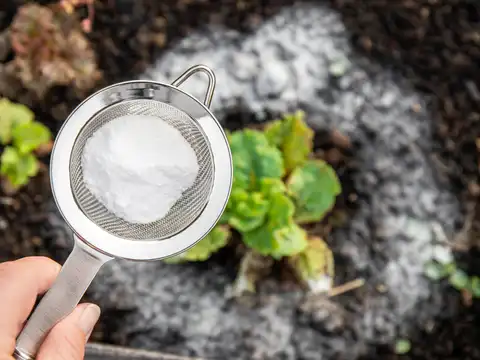
Use baking soda to prevent fungal diseases on garden plants
One of the most common ways to use baking soda in gardening is to help control fungal infections such as powdery mildew, black spot and leaf fungus. Garden experts often recommend mixing one teaspoon of baking soda with a litre of water and a few drops of mild liquid soap to create a gentle homemade plant spray. This baking soda spray can help reduce fungal growth on roses, tomatoes, cucumbers and flowering plants. However, experts warn that excessive use may damage leaves, so the solution should only be applied occasionally and preferably during cooler parts of the day.
3/5
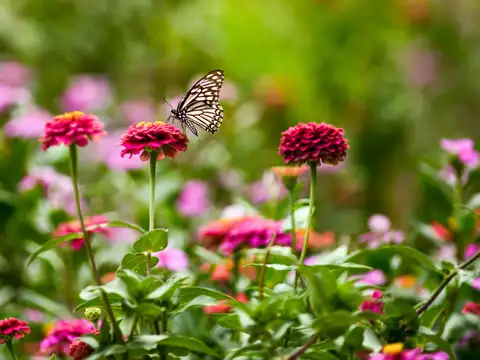
Baking soda can help boost flower growth and healthier blooms
Many home gardeners also use small amounts of baking soda to encourage brighter blooms in certain flowering plants. Because baking soda slightly increases soil alkalinity, it may benefit flowers that prefer less acidic conditions, including hydrangeas, begonias and geraniums. Some gardeners lightly sprinkle baking soda around the base of plants to improve bloom quality and support healthier growth. However, horticulture specialists advise testing soil conditions first, as not all plants tolerate alkaline soil well.
Amazon Top Deals
POWERED BY

4/5
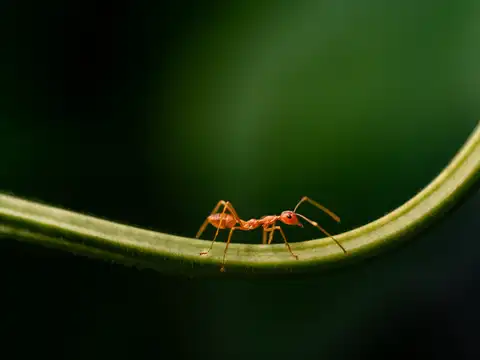
Natural baking soda pest control for ants, slugs and garden insects
Baking soda is also widely used as a natural garden pest control remedy. Many gardeners mix baking soda with flour or sugar to help deter ants and small crawling insects around plants and garden beds. It can also help discourage slugs when lightly sprinkled near affected areas, although it should never be overused directly on soil because excessive sodium build-up can affect plant health. Unlike harsh pesticides, baking soda offers a gentler and more environmentally friendly alternative for small-scale pest problems in home gardens.
5/5
How to use baking soda safely in the garden
While baking soda offers several gardening benefits, experts stress the importance of careful usage. Overusing baking soda in the garden can alter soil pH levels and potentially damage sensitive plants. It is always best to test homemade baking soda solutions on a small section of the plant before wider application. Gardeners should also avoid applying baking soda during extreme heat or directly onto dry leaves. Used correctly, baking soda can become a useful addition to natural gardening routines, helping improve plant care, flower growth and pest management during the growing season.