
How to grow mushrooms at home: Step-by-step guide for beginners
1/6
Mushroom growing at home
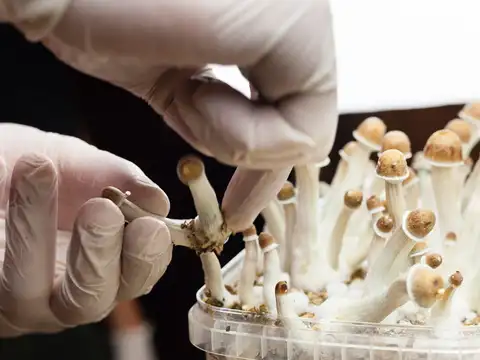
Growing mushrooms at home may sound like a project for experienced gardeners, but it can actually be surprisingly simple. Unlike plants, mushrooms do not need sunlight or traditional soil to grow. With the right growing medium, moisture, temperature and a little patience, beginners can grow fresh mushrooms indoors using a ready-made kit or mushroom spawn.
2/6
Choose the right mushrooms for beginners
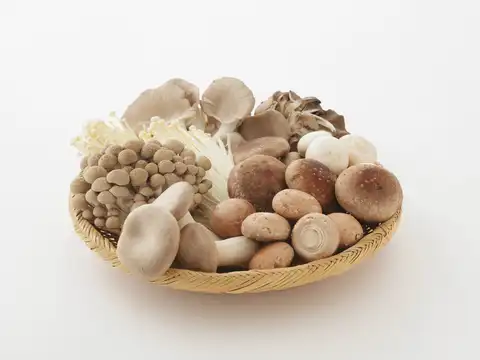
For first-time growers, oyster mushrooms are among the easiest varieties to grow at home because they are relatively forgiving and can grow on materials such as straw, cardboard or suitable prepared growing substrates. Mushroom-growing kits are another beginner-friendly option because they usually contain colonised growing material and provide instructions for fruiting. Choose a reputable kit or spawn supplier and avoid collecting wild mushrooms for cultivation unless you have specialist knowledge.
3/6
Prepare the mushroom growing medium
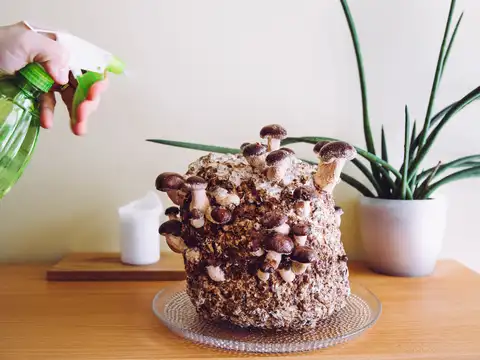
Mushrooms need a suitable growing substrate, rather than ordinary garden soil. Depending on the variety, this can include straw, wood-based materials or specially prepared mushroom-growing blocks. If you are starting with a kit, follow the manufacturer's instructions rather than adding your own materials. Clean hands, containers and tools are important because mould and other microorganisms can compete with the mushroom mycelium and spoil the growing medium.
Amazon Top Deals
POWERED BY
4/6
Give mushrooms the right moisture and temperature
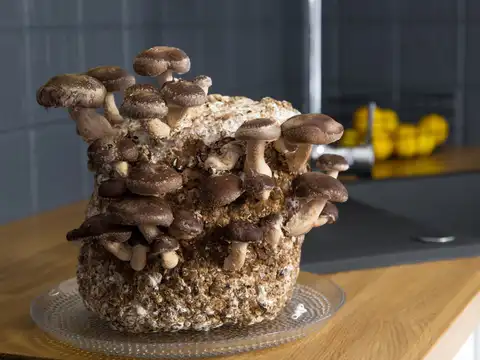
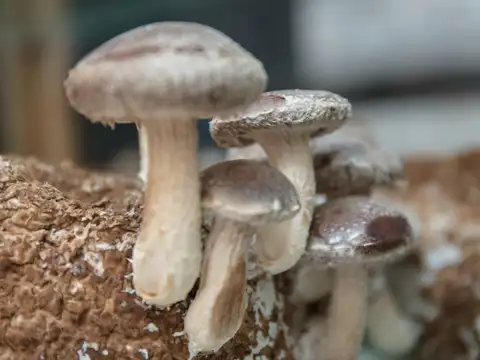
Once the mushroom substrate is ready, place it somewhere clean with the temperature and humidity recommended for the particular species. Oyster mushrooms generally prefer a humid environment with fresh air and indirect light during fruiting. The growing material should remain appropriately moist but not waterlogged. If the surface becomes dry, misting can help, but avoid constantly soaking it. Different mushroom species have different requirements, so checking the instructions for your chosen variety is essential.
5/6
Watch for mushroom growth and harvest at the right time
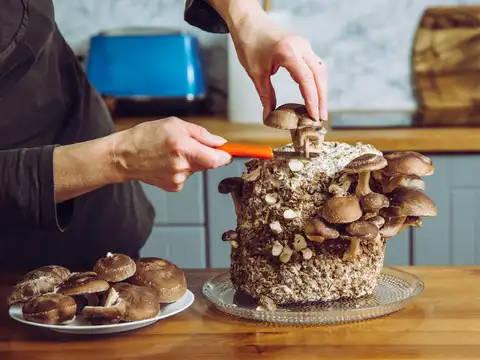
After the mycelium has colonised the growing medium, small mushroom pins should eventually begin appearing. Keep monitoring moisture, airflow and cleanliness as the mushrooms develop. Oyster mushrooms are generally ready to harvest when their caps have opened but before they become overly flat and dry. Harvest the entire cluster gently according to the instructions supplied with your kit or spawn. Some growing blocks can produce multiple flushes of mushrooms after the first harvest.
6/6
Keep your home mushroom garden clean and safe
The biggest challenge for beginners is usually contamination. Green, black or unusual-looking mould, unpleasant smells or unexplained changes in the growing substrate can indicate contamination. Do not eat mushrooms if you are unsure that they are the intended cultivated species or if they appear contaminated. For an easy start, a commercially prepared mushroom-growing kit is often the safest and simplest option. With the right variety and basic care, growing mushrooms at home can become a rewarding little indoor gardening project.