
Gastroenterologist Dr Pal ranks the top ten iron-rich foods to fight iron deficiency and boost haemoglobin
1/7
Why iron matters now
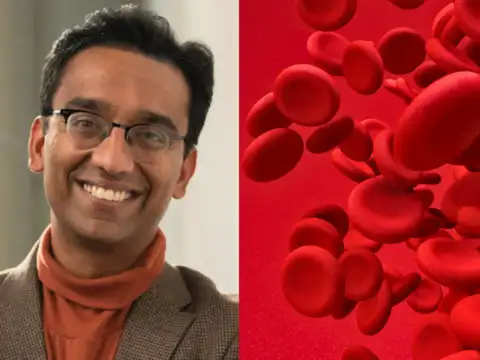
Renowned gastroenterologist Dr Pal Manickam lists top ten iron-rich foods to improve your haemoglobin content naturally. Haemoglobin carries oxygen through your blood, yet many people fall short. Pal Manickam warns that hidden iron deficiency is a common reason for fatigue and brain fog.
2/7
Liver and Mackerel
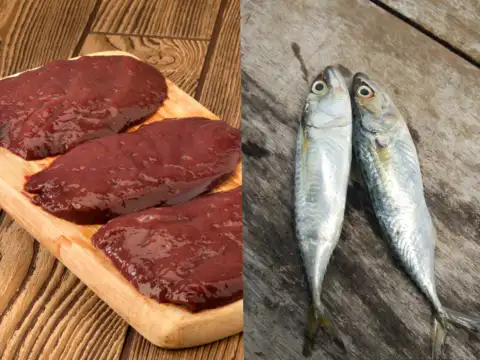
Liver and other organ meats are among the richest heme-iron sources, absorbed efficiently by your body. The National Institutes of Health notes that 100 g of beef liver gives over 5 mg of iron. Mackerel also provides iron plus omega-3s, supporting both blood health and heart function. Eating small servings weekly can rapidly raise iron levels.
3/7
Moringa and Pumpkin Seeds
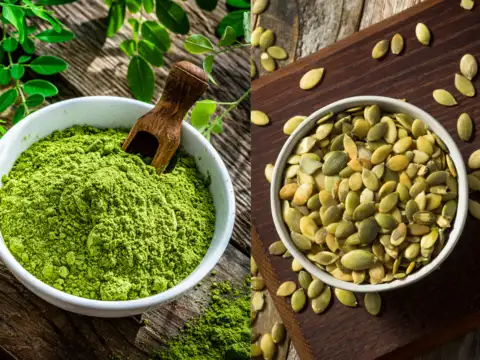
Moringa leaves are packed with plant iron, calcium, and antioxidants. US Department of Agriculture reports they contain about 4 mg iron per 100 g dried. Pumpkin seeds offer 2–3 mg per ounce, along with zinc and magnesium. Combining them with vitamin C-rich foods boosts the absorption of their non-heme iron.
Amazon Top Deals
POWERED BY

Crompton Ozone 75 Litres Desert Air Cooler for home | Large & Easy Clean Ice Chamber | 4-Way Air Deflection | High Density Honeycomb Pads | Everlast Pump | Auto Fill| 3 Year Brand Warranty
₹9,798Buy Now43%
OFF

LG 32 L Convection Microwave Oven (MC3286BRUM, Black, 360° Motorised Rotisserie for Bar-be-queing, 301 Auto Cook Menu, Stainless steel cavity, Indian Cuisine, Tandoor Se, Steam Clean & Diet Fry)
₹18,490Buy Now23%
OFF
4/7
Spinach and Lentils
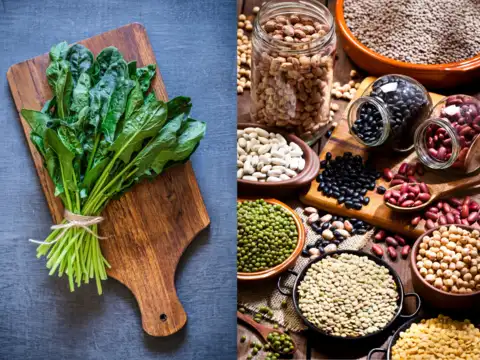
Spinach provides 2–3 mg iron per cooked cup, plus folate and vitamin A for red blood cell production. The American Society for Nutrition confirms lentils have about 6.6 mg iron per cup. Eating them with citrus or tomatoes helps your body absorb more, supporting energy levels and immunity.
5/7
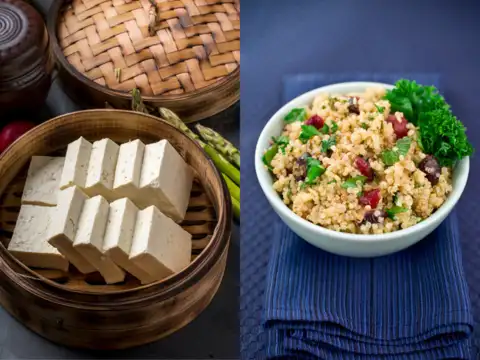
Tofu and Quinoa
Tofu offers nearly 20 % of daily iron in half a cup while also giving complete plant protein. The Harvard T.H. Chan School of Public Health lists quinoa as another iron-rich plant food with around 2.8 mg per cup. These are excellent options for vegetarians to maintain healthy iron levels.
6/7
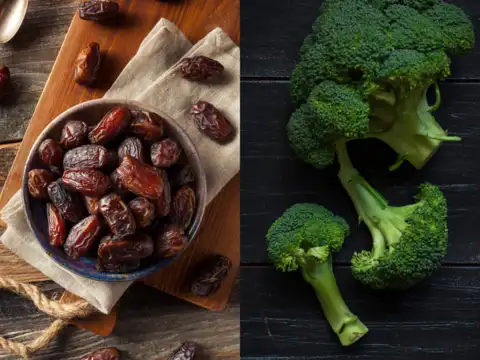
Dates and Broccoli
Dates concentrate plant iron along with natural sugars for quick energy. The British Nutrition Foundation notes they give about 1 mg per handful. Broccoli adds smaller amounts of iron plus vitamin C, which enhances absorption from other foods. Pairing them together can lift your iron intake in balanced snacks.
7/7
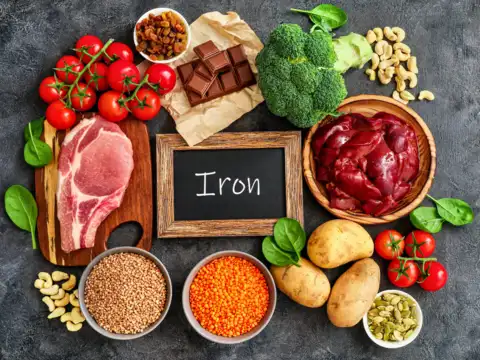
Building an iron-smart plate
Adding even a few of these foods daily can improve your iron stores over weeks. Pal Manickam says consistent food-based iron works better than relying only on supplements. Combining heme (meat, fish) and non-heme (plants, seeds) iron sources helps your body absorb more and maintain healthy blood for the long term.
(Disclaimer: This content is for educational purposes only and not a substitute for professional medical advice. If you suspect iron deficiency, consult a qualified healthcare provider for testing and personalised guidance.)
(Disclaimer: This content is for educational purposes only and not a substitute for professional medical advice. If you suspect iron deficiency, consult a qualified healthcare provider for testing and personalised guidance.)