
Garden mistakes to avoid: 7 flowers you should never plant
1/8
Hidden dangers in your garden: 7 flowers to skip
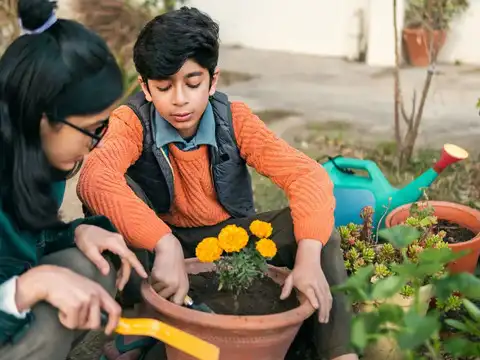
A beautiful garden isn't just about colourful blooms—it should also be safe and easy to maintain. While some flowering plants look stunning, they can become a nightmare for gardeners by spreading aggressively, attracting harmful pests, triggering allergies, or posing health risks to children and pets. Before you add these popular flowers to your landscape, here's why gardening experts recommend avoiding them.
2/8
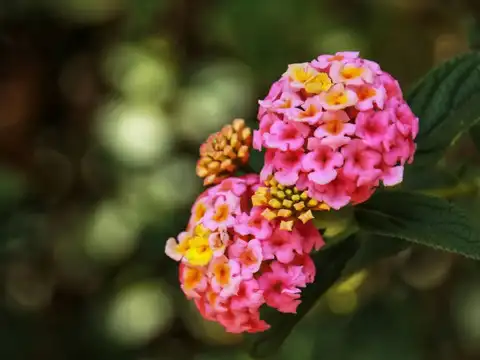
Lantana
Lantana is admired for its vibrant clusters of flowers in shades of yellow, orange, pink and red, but it's one of the world's most invasive ornamental plants. It spreads rapidly through seeds carried by birds and dense underground roots, making it difficult to remove once established. The plant can outcompete native species, reducing biodiversity in gardens and surrounding areas.
Its leaves and unripe berries are also toxic if ingested, especially by children, pets and livestock. Unless you're prepared for constant pruning and control, lantana can quickly dominate your garden.
Its leaves and unripe berries are also toxic if ingested, especially by children, pets and livestock. Unless you're prepared for constant pruning and control, lantana can quickly dominate your garden.
3/8
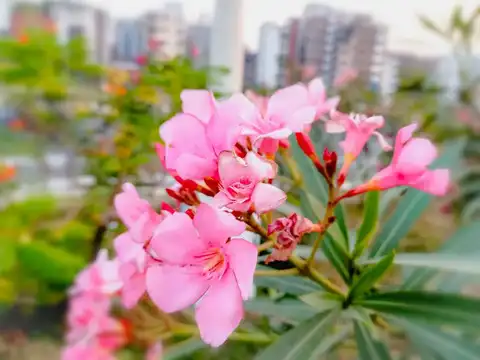
Oleander
Oleander is a favourite landscaping shrub because of its colourful blooms and drought tolerance, but it is also among the most poisonous ornamental plants. Every part of the plant—including the flowers, leaves, stems and sap—contains toxic compounds called cardiac glycosides.
Even small amounts can cause severe poisoning in humans and animals, leading to nausea, irregular heartbeat and, in extreme cases, death. Burning oleander branches is also dangerous because the smoke can carry toxic particles.
Even small amounts can cause severe poisoning in humans and animals, leading to nausea, irregular heartbeat and, in extreme cases, death. Burning oleander branches is also dangerous because the smoke can carry toxic particles.
Amazon Top Deals
POWERED BY

4/8
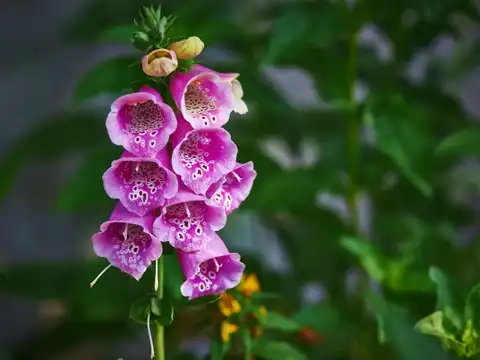
Foxglove
Foxglove's tall spikes of bell-shaped flowers make it a popular cottage garden plant, but it comes with significant risks. The plant contains digitalis compounds that directly affect heart function.
While these compounds are used in certain prescription medicines under strict medical supervision, consuming any part of the plant can cause vomiting, dizziness, slowed heartbeat and potentially life-threatening cardiac problems. It's best avoided in gardens frequented by children and pets.
While these compounds are used in certain prescription medicines under strict medical supervision, consuming any part of the plant can cause vomiting, dizziness, slowed heartbeat and potentially life-threatening cardiac problems. It's best avoided in gardens frequented by children and pets.
5/8
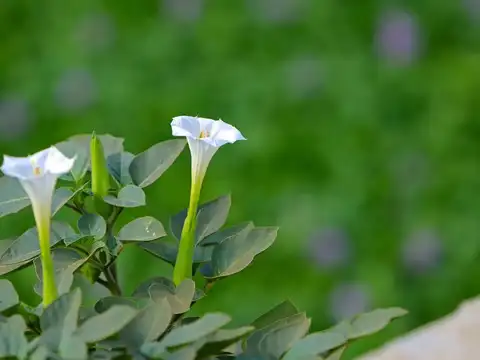
Datura
With its large trumpet-shaped flowers, Datura is undeniably eye-catching. However, beneath its beauty lies a highly poisonous plant. Its leaves, flowers and seeds contain powerful alkaloids that can affect the nervous system.
Accidental ingestion may lead to hallucinations, confusion, rapid heartbeat, breathing difficulties and other serious medical emergencies. Since the plant self-seeds easily, it can also spread throughout a garden if left unchecked.
Accidental ingestion may lead to hallucinations, confusion, rapid heartbeat, breathing difficulties and other serious medical emergencies. Since the plant self-seeds easily, it can also spread throughout a garden if left unchecked.
6/8
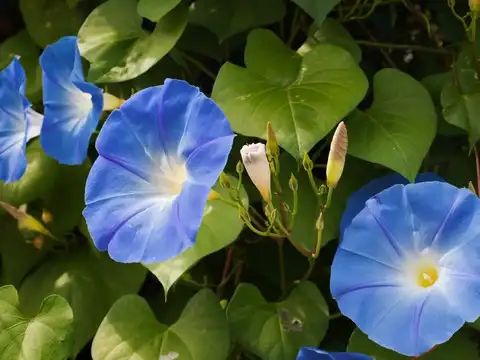
Morning Glory
Morning Glory vines produce attractive blue, purple and pink flowers, but they grow incredibly fast. In favourable conditions, the vines can cover fences, walls, trees and nearby plants within a single season.
Without frequent trimming, they can block sunlight from reaching other plants, weaken shrubs and become difficult to remove. Some varieties also self-seed aggressively, allowing them to return year after year even after removal.
Without frequent trimming, they can block sunlight from reaching other plants, weaken shrubs and become difficult to remove. Some varieties also self-seed aggressively, allowing them to return year after year even after removal.
7/8
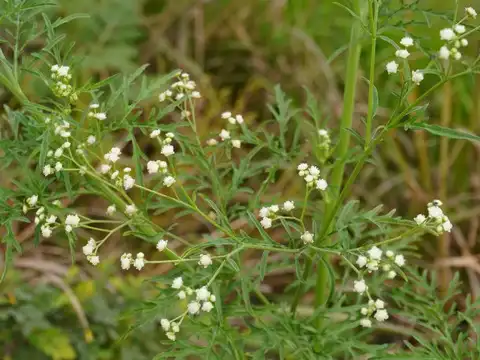
Parthenium Weed
Often considered one of the most troublesome invasive weeds, Parthenium spreads rapidly through thousands of lightweight seeds that are easily carried by wind and water. It competes aggressively with nearby plants for nutrients and space, reducing the health of gardens and agricultural land.
The plant is also notorious for causing skin rashes, hay fever, asthma and other allergic reactions in sensitive individuals. Because of its invasive nature and health hazards, many regions actively encourage its removal rather than cultivation.
The plant is also notorious for causing skin rashes, hay fever, asthma and other allergic reactions in sensitive individuals. Because of its invasive nature and health hazards, many regions actively encourage its removal rather than cultivation.
8/8
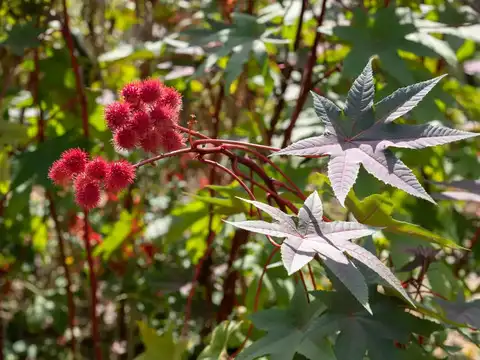
Castor Bean Plant
The castor bean plant is often grown for its dramatic tropical foliage and striking seed pods. However, its seeds contain ricin, an extremely potent natural toxin.
Although the seeds need to be chewed to release the toxin, accidental ingestion can cause severe poisoning. The plant also self-seeds readily in warm climates, making it difficult to control once established. Families with young children or curious pets should avoid planting it altogether.
Although the seeds need to be chewed to release the toxin, accidental ingestion can cause severe poisoning. The plant also self-seeds readily in warm climates, making it difficult to control once established. Families with young children or curious pets should avoid planting it altogether.