
Gandhi wasn’t first choice for Indian currency notes: Who was considered instead & how 'Father of the Nation' became part of our banknotes
1/6
Gandhi was considered, but the Lion Capital won
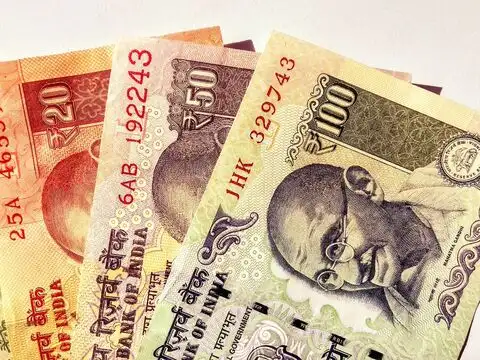
Today, Mahatma Gandhi’s portrait is almost instantly associated with Indian currency, but that was not the plan when India became independent. According to the Reserve Bank of India (RBI), the government initially considered replacing the portrait of King George on banknotes with Gandhi’s image. Designs were even prepared for this purpose. However, the final consensus was to use the Lion Capital of Ashoka at Sarnath instead. The RBI says the first banknote issued by independent India was the Re 1 note in 1949, carrying the Lion Capital symbol in place of the British king’s portrait.
2/6
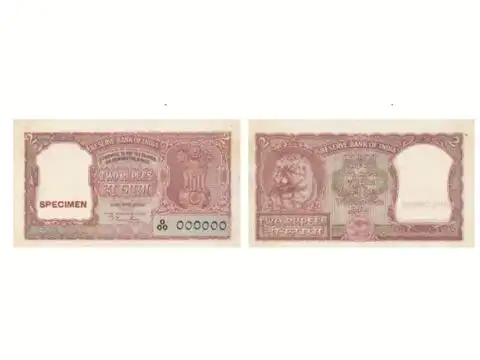
Early Indian notes showcased India’s heritage
For several decades, Indian banknotes featured symbols of the country’s culture, development and scientific progress rather than Gandhi’s portrait. According to the RBI, the Ashoka Pillar series included images and motifs representing science and technology, progress and Indian art forms. The designs also featured subjects such as animals, dams and other symbols of a developing India. This approach continued through much of the 1950s, 1960s and beyond, before Gandhi’s image began appearing on commemorative and later regular currency notes.
3/6
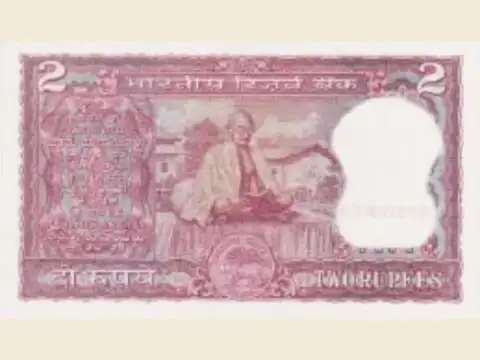
Gandhi first appeared on a note in 1969
Gandhi’s image eventually made its way onto Indian currency in 1969, marking his birth centenary. The RBI Museum records that a special commemorative series showed Gandhi seated with Sevagram Ashram in the background. This was different from the later banknotes that carried his portrait as a standard design feature.
Amazon Top Deals
POWERED BY

4/6
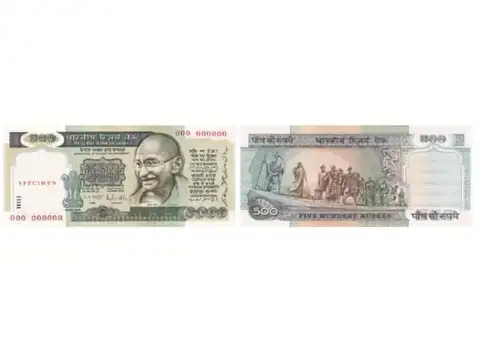
The Rs 500 note brought Gandhi back
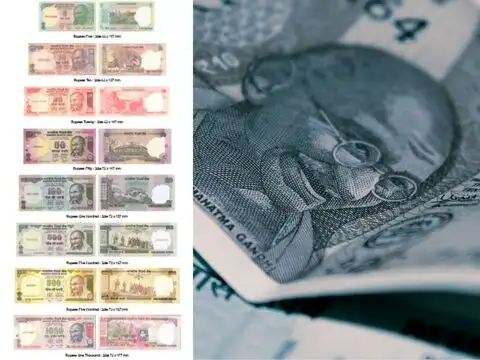
A major change came in October 1987, when the Rs 500 banknote was introduced with a portrait of Mahatma Gandhi along with the Ashoka Pillar watermark, according to the RBI’s currency records. The design showed Gandhi leading a group of people. This marked Gandhi’s return to a regular banknote denomination after his earlier commemorative appearance in 1969.
5/6
The Mahatma Gandhi Series made his portrait a standard feature
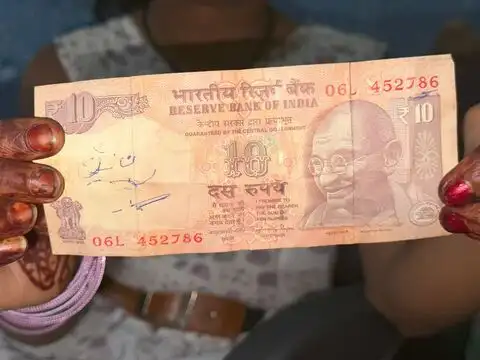
The next major step came with the Mahatma Gandhi Series launched in 1996. The RBI says the series replaced the Ashoka Pillar portrait position on the front of the notes with Gandhi’s portrait, while retaining the Ashoka Pillar emblem elsewhere on the note. The series was introduced across denominations over several years, including Rs 10 and Rs 100 in 1996, Rs 50 in 1997 and higher denominations later. The notes also brought enhanced security features such as security threads and watermarks.
6/6
There have been calls for other faces, too
Gandhi’s place on Indian currency has occasionally been debated. In 2016, when asked whether the government planned to replace or add portraits of other leaders, then Minister of State for Finance Arjun Ram Meghwal told the Rajya Sabha that “a Committee was formed during UPA which has already decided that there is no need to change Mahatma Gandhi's photo on the currency notes.” The government has also said that banknote designs and security features are decided by the Centre in consultation with the RBI. Over the years, names including Jawaharlal Nehru, Subhas Chandra Bose and Sardar Patel have been suggested in public debates, while a 2022 proposal by the Aam Aadmi Party to feature Lakshmi and Ganesha also triggered political debate. Separately, Gandhi’s great-grandson Tushar Gandhi criticised the absence of Bapu’s image from the digital rupee design in a social media post. Despite these debates, Gandhi’s portrait remains a defining feature of India’s banknotes.