
Gandhi facts you may not know: He was called ‘Monu’, married at 13, ran football clubs in South Africa and more
1/11
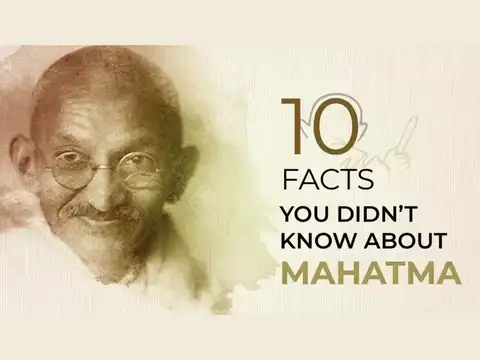
10 surprising facts about Mahatma Gandhi
Mahatma Gandhi is one of India’s most recognisable historical figures. But how much do you know about his lesser-known life? From his childhood nickname to his years in South Africa, here are some surprising facts about Gandhi.
2/11
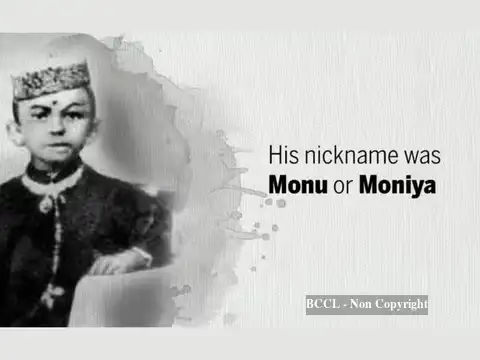
His childhood nickname
Mahatma Gandhi was affectionately called Monu or Moniya by his family and close ones.
3/11
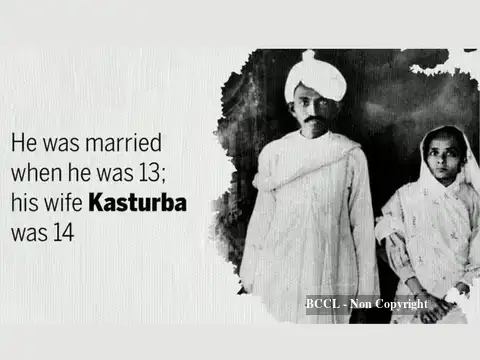
He married at 13
Gandhi was just 13 years old when he married Kasturba Gandhi, who was 14 at the time.
Amazon Top Deals
POWERED BY

4/11
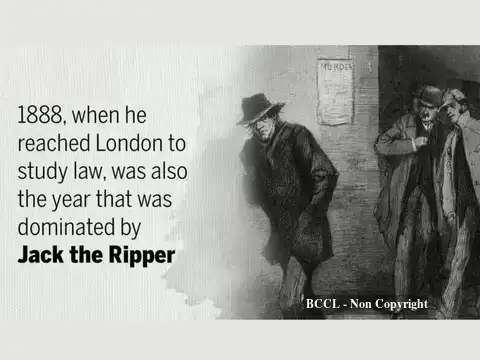
He reached London in the Jack the Ripper era
In 1888, Gandhi travelled to London to study law. The same year was also marked by the infamous Jack the Ripper murders in London.
5/11
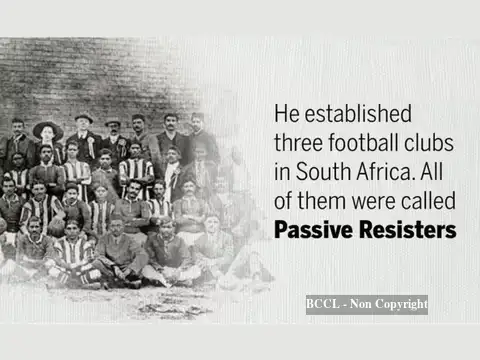
He started football clubs
During his time in South Africa, Gandhi helped establish three football clubs. All three were reportedly named Passive Resisters, reflecting his philosophy of non-violent resistance.
6/11
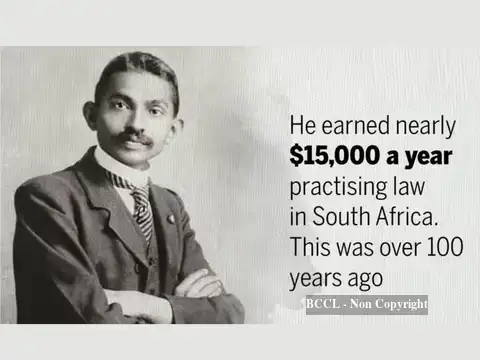
He earned a high income as a lawyer
While practising law in South Africa, Gandhi reportedly earned nearly $15,000 a year, a substantial income more than a century ago.

7/11
A railway station named after him
The railway station in Pietermaritzburg, South Africa, where Gandhi was famously thrown off a train in 1893, has been named after him.
8/11
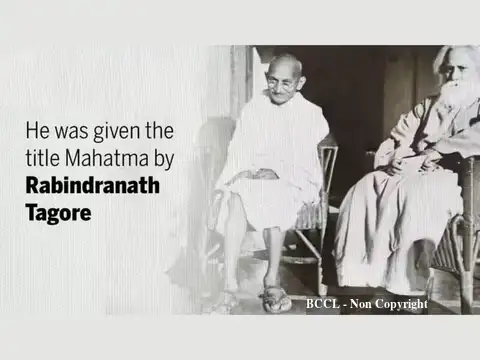
Who gave him the title ‘Mahatma’?
The title ‘Mahatma’, meaning ‘great soul’, is widely associated with Rabindranath Tagore, who is credited with giving Gandhi the title.
9/11
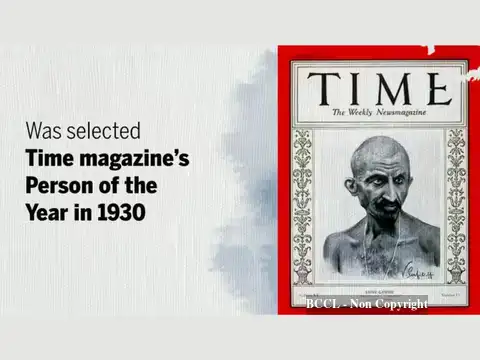
Time magazine’s Person of the Year
Gandhi was selected as Time magazine’s Person of the Year in 1930, recognising his influence during India’s freedom struggle.
10/11
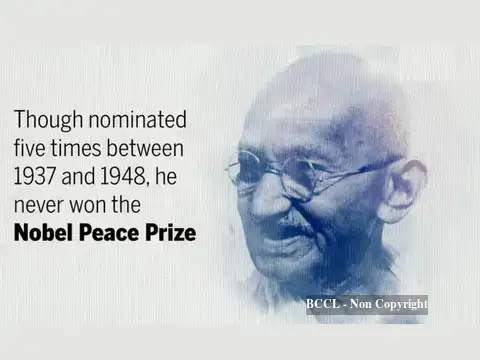
He never won the Nobel Peace Prize
Gandhi was nominated for the Nobel Peace Prize five times between 1937 and 1948, but he never received the award.
11/11
October 2 is observed as Non-Violence Day
The United Nations observes October 2, Gandhi’s birth anniversary, as the International Day of Non-Violence, recognising his philosophy of peaceful resistance.