
Are you cooking these 7 Indian vegetables wrong? Here's how to fix it

1/7
Cabbage
Cabbage is often cooked with heavy spices and for too long, which breaks down its vitamin C and glucosinolates—natural compounds that offer anti-cancer benefits. Long cooking also ruins its natural crunch. To retain its nutrients, lightly stir-fry or steam cabbage for a few minutes and avoid covering it tightly, which traps steam and accelerates nutrient loss.
2/7
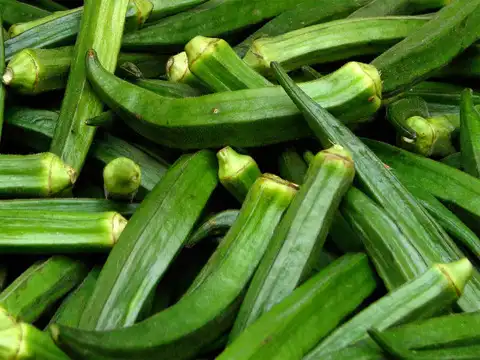
Okra (Bhindi)
Bhindi is often deep-fried or overcooked to deal with its slimy texture, but doing so significantly reduces its fibre and depletes vitamins A and C. The trick is to pat the okra dry before cooking and sauté it on medium heat using just a bit of oil. Avoid crowding the pan, and consider using acidic ingredients like lemon or dry mango powder to reduce stickiness naturally.
3/7
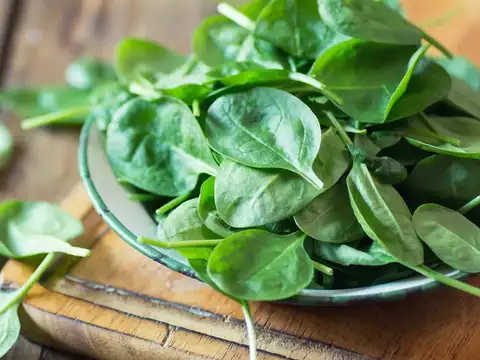
Spinach (Palak)
Many people boil or overcook spinach, which leads to a major loss of iron, folate, and vitamin C—nutrients that are highly sensitive to heat. This also dulls the vibrant green colour and reduces iron absorption. Instead, blanch spinach quickly or sauté it lightly in minimal oil, and always add a splash of lemon juice after cooking to enhance nutrient uptake.
Amazon Top Deals
POWERED BY

Crompton Ozone 75 Litres Desert Air Cooler for home | Large & Easy Clean Ice Chamber | 4-Way Air Deflection | High Density Honeycomb Pads | Everlast Pump | Auto Fill| 3 Year Brand Warranty
₹9,798Buy Now43%
OFF

atomberg Studio Smart+ 1200mm BLDC Ceiling Fan with IoT & Remote | BEE 5 star Rated Energy Efficient Ceiling Fan | High Air Delivery with LED Indicators | 3 Year Warranty (Earth Brown)
₹5,882Buy Now36%
OFF

LG 32 L Convection Microwave Oven (MC3286BRUM, Black, 360° Motorised Rotisserie for Bar-be-queing, 301 Auto Cook Menu, Stainless steel cavity, Indian Cuisine, Tandoor Se, Steam Clean & Diet Fry)
₹19,340Buy Now19%
OFF
4/7
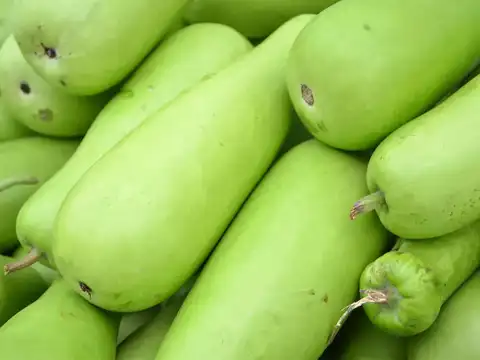
Bottle Gourd (Lauki)
Lauki is often overboiled or cooked until mushy in heavy gravies, which strips it of water-soluble nutrients like vitamin C and undermines its natural cooling and digestive qualities. To preserve its health benefits, it’s best to lightly steam or stir-fry it with gentle spices like cumin, ginger, or coriander that don’t overpower its subtle flavour.
5/7
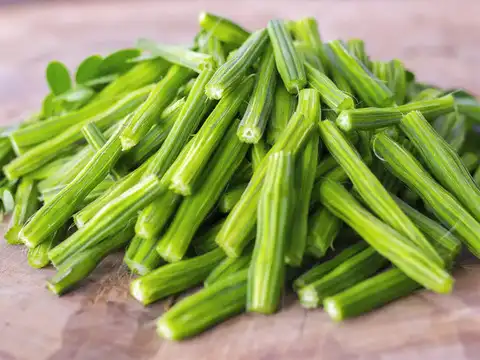
Drumstick (Moringa Pods)
Drumsticks are typically overboiled in sambar or curries, which causes loss of antioxidants, iron, and calcium. Instead of letting them simmer too long, add them toward the end of cooking or steam them separately. The leaves, too, should be lightly stir-fried rather than boiled to retain their impressive nutritional profile and avoid bitterness.
6/7
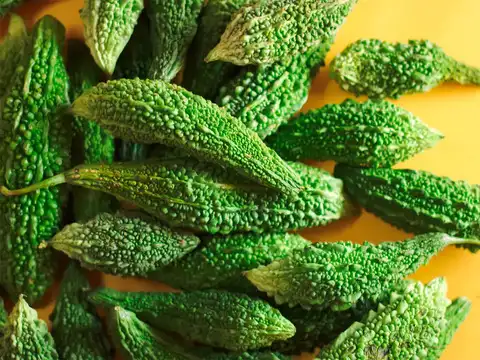
Bitter Gourd (Karela)
To reduce karela’s bitterness, it’s commonly deep-fried or excessively salted—both of which remove its vital compounds that support blood sugar control. These methods also load the dish with unnecessary oil and sodium. A healthier approach is to bake, grill, or stir-fry it lightly with minimal oil and pair it with spices like turmeric and amchur for balance without compromising nutrition.
7/7
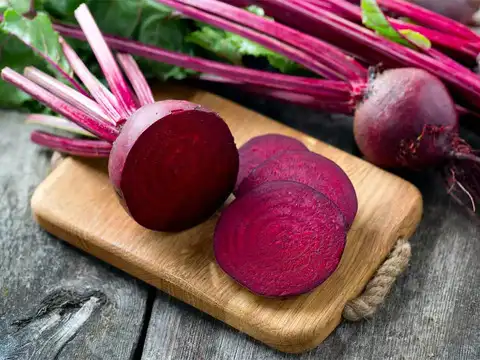
Beetroot
Boiling beetroot for too long not only washes away its earthy sweetness but also reduces its betalain content—antioxidants responsible for its deep red colour and health benefits. For better nutrient retention, roast or steam beetroot until just tender. It can also be eaten raw—grated into salads or mixed with yogurt for a refreshing and nutritious raita.