
7 rare and endangered Indian flowers that are both beautiful and useful
1/7
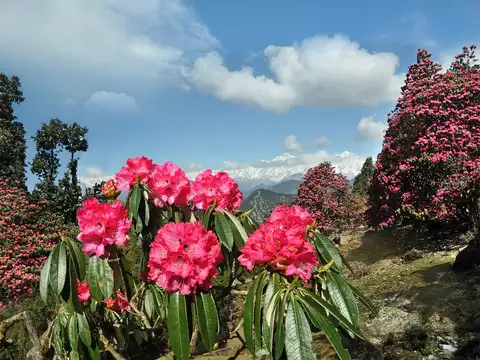
Rhododendron (Buransh)
Buransh is a red flower found in the Himalayan regions. People make juice from it which helps with heart health and high blood pressure. It’s still seen in some places, but because too much of it is being picked and forests are being cut down, it may become endangered soon.
2/7
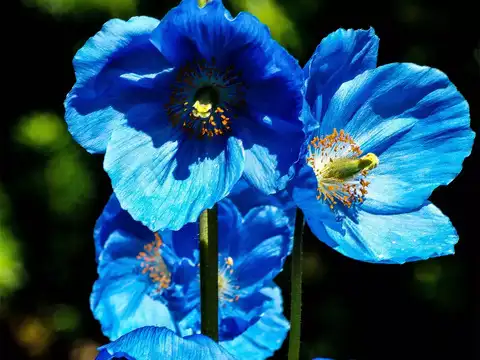
Himalayan Blue Poppy
This pretty blue flower grows high up in the mountains of Kashmir and Himachal Pradesh. It’s used in traditional Tibetan medicine to help with brain problems and pain. Because people collect it too much and its climate is changing, it's now very rare.
3/7
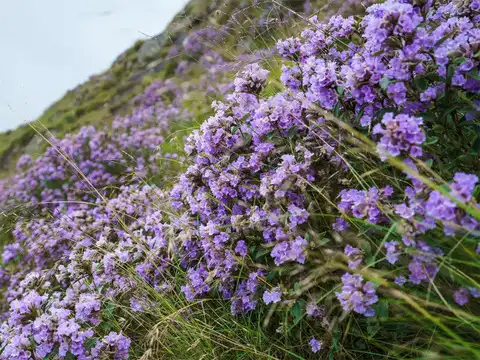
Neelakurinji
This beautiful purple-blue flower grows in the hills of the Western Ghats and blooms only once every 12 years. When it flowers, it covers the hillsides in a magical blue shade. Local tribes use it to mark time, like a natural calendar. But due to cutting down of forests, this flower is now becoming rare.
Amazon Top Deals
POWERED BY

4/7
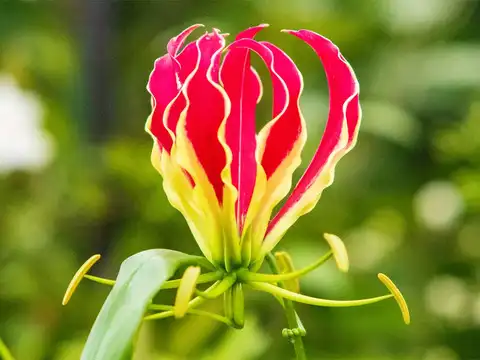
Flame Lily
This eye-catching flower has petals shaped like flames. It grows in parts of South and East India and is used in Ayurveda to treat pain and swelling. But because it’s used so much in medicine and sold as decoration, it’s now becoming hard to find in nature.
5/7
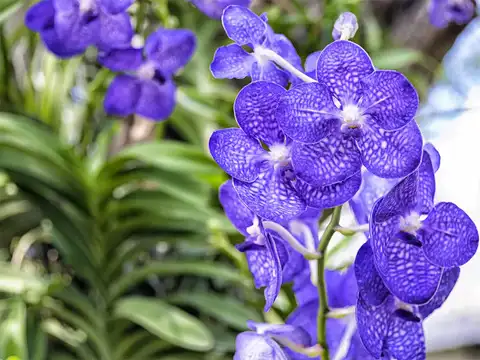
Blue Vanda
The Blue Vanda is a rare orchid found in Assam and Arunachal Pradesh. Its bright blue color makes it very special and people also use it in perfumes and for skin treatments. Sadly, it is now critically endangered because too many people collect it from the wild.
6/7
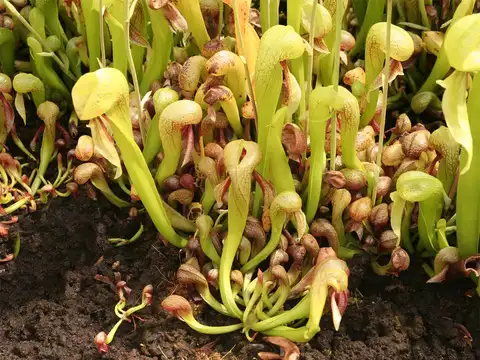
Cobra Lily
The Cobra Lily looks like a snake, which is how it got its name. It grows in the Nilgiris and Himalayan areas. Some tribal communities use it in traditional medicine, but it can also be poisonous. Because its forest home is being lost, it’s becoming harder to find.
7/7
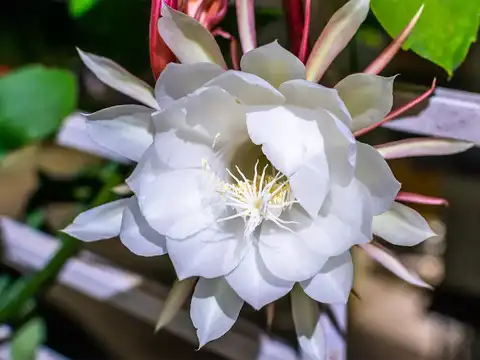
Brahma Kamal
This white flower blooms only at night and grows in very high places in Uttarakhand and Sikkim. It is considered very holy and is used in religious rituals. It also helps with fevers in local medicine. Since it grows slowly and only in cold places, it’s rare and protected.