
7 key causes and early symptoms of kidney stones you shouldn’t ignore
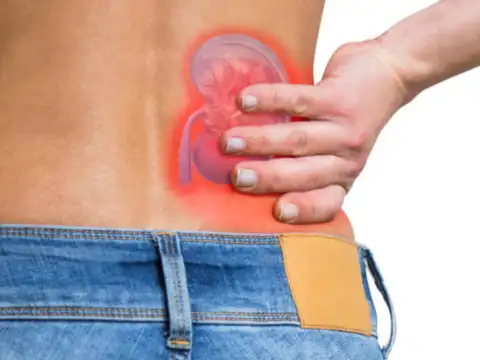
1/7
What are kidney stones?
Kidney stones are hard mineral deposits that form in the kidneys. They vary in size—from tiny grains to golf ball–sized stones—and can either cause intense pain or remain unnoticed for years.

2/7
Causes – Low water intake
Not drinking enough water leads to concentrated urine. When minerals and salts are more concentrated, they’re more likely to stick together and form stones.

3/7
Causes – Diet high in salt, sugar & protein
A diet rich in salt, red meat, poultry, and sugary foods increases calcium and uric acid levels in urine—key triggers for kidney stone formation.
Amazon Top Deals
POWERED BY

atomberg Studio Smart+ 1200mm BLDC Ceiling Fan with IoT & Remote | BEE 5 star Rated Energy Efficient Ceiling Fan | High Air Delivery with LED Indicators | 3 Year Warranty (Earth Brown)
₹5,882Buy Now36%
OFF

LG 32 L Convection Microwave Oven (MC3286BRUM, Black, 360° Motorised Rotisserie for Bar-be-queing, 301 Auto Cook Menu, Stainless steel cavity, Indian Cuisine, Tandoor Se, Steam Clean & Diet Fry)
₹19,340Buy Now19%
OFF

4/7
Causes – Genetics, obesity & medical conditions
Family history, obesity, and health issues like UTIs, gout, chronic diarrhea, or Crohn’s disease can raise your risk of developing kidney stones.

5/7
Medications & supplements can trigger stones
Certain drugs, calcium-based antacids, and excessive intake of vitamin D or calcium supplements can contribute to stone formation in susceptible individuals.

6/7
Early signs of kidney stones
Kidney stones often remain undetected until they begin to move. One of the earliest symptoms is pain in the side or lower back, ranging from a dull ache to sharp, intense discomfort. Urine changes such as cloudiness, foul smell, or pink/red color may occur due to blood in the urine. Some may also feel an increased urge to urinate or nausea and vomiting without any clear cause. If these symptoms appear together, they may point to the presence of a kidney stone.

7/7
How to lower your risk
Preventing kidney stones starts with simple lifestyle changes. Stay hydrated by drinking plenty of water throughout the day. Cut down on salt, red meat, and sugary foods and beverages. Maintaining a healthy body weight also helps reduce stone formation risk. Avoid taking supplements or medications—especially calcium and vitamin D—without consulting your doctor. These preventive measures can significantly lower the chances of developing kidney stones.
READ MORE:
what causes kidney stones |early signs of kidney stones |kidney stone symptoms and prevention |how to prevent kidney stones |diet for kidney stone prevention |kidney stone risk factors |signs of kidney stones in urine |natural ways to avoid kidney stones |kidney stone pain symptoms |hydration and kidney stone prevention