
7 dangerous ingredients hidden in your everyday packaged snacks
1/7
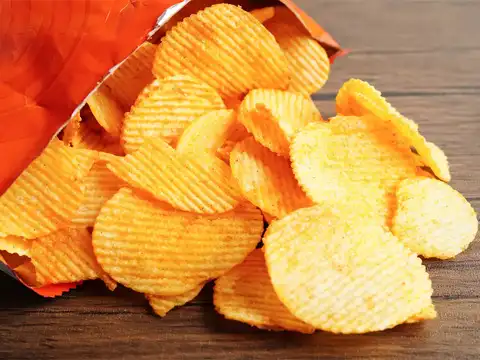
Trans Fats (Partially Hydrogenated Oils)
Trans fats are used to extend shelf life in baked goods, frozen foods, and margarine. They raise LDL (bad cholesterol) and lower HDL (good cholesterol), contributing to heart disease, stroke, and inflammation. Many countries have banned or restricted their use due to severe health risks.
2/7
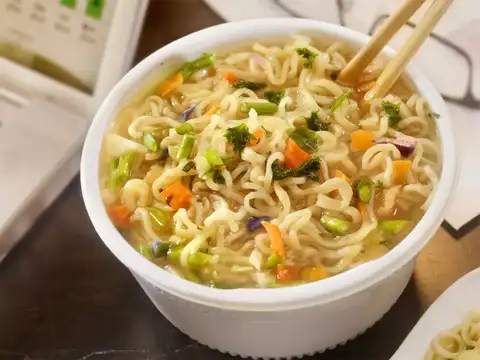
Monosodium Glutamate (MSG)
A flavor enhancer in soups, noodles, canned foods, and snacks. Though deemed safe in moderation, some people report symptoms like headaches, sweating, and chest pain after consumption—known as "MSG symptom complex." Long-term effects are still debated in scientific circles.

3/7
High-Fructose Corn Syrup (HFCS)
This cheap, sugary syrup is widely used in soft drinks, sauces, and cereals. Overconsumption is linked to obesity, insulin resistance, fatty liver disease, and metabolic disorders. It can also lead to excessive calorie intake without providing any nutritional value.
Amazon Top Deals
POWERED BY

Crompton Ozone 75 Litres Desert Air Cooler for home | Large & Easy Clean Ice Chamber | 4-Way Air Deflection | High Density Honeycomb Pads | Everlast Pump | Auto Fill| 3 Year Brand Warranty
₹9,798Buy Now43%
OFF

LG 32 L Convection Microwave Oven (MC3286BRUM, Black, 360° Motorised Rotisserie for Bar-be-queing, 301 Auto Cook Menu, Stainless steel cavity, Indian Cuisine, Tandoor Se, Steam Clean & Diet Fry)
₹19,340Buy Now19%
OFF
4/7
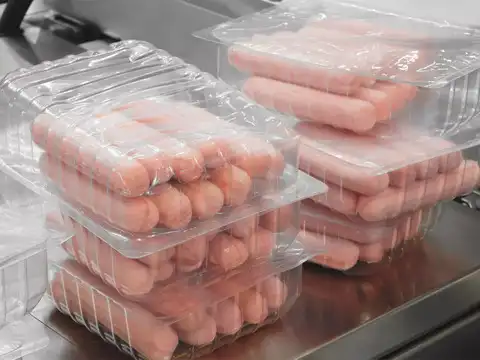
Sodium Nitrite/Nitrate
Used in processed meats like bacon, sausages, and deli cuts to preserve color and prevent bacterial growth. When exposed to high heat, these compounds can form nitrosamines—carcinogenic chemicals linked to an increased risk of certain cancers, especially colorectal cancer.
5/7
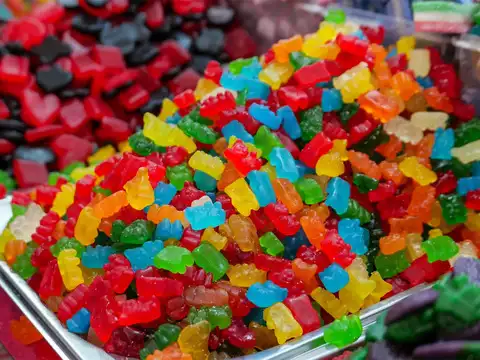
Artificial Food Colors (e.g. Red 40, Yellow 5)
Common in candies, sodas, and brightly packaged snacks. These synthetic dyes are suspected of contributing to behavioral issues in children, including hyperactivity and attention problems. Some dyes have also been linked to allergic reactions and potential cancer risks.
6/7
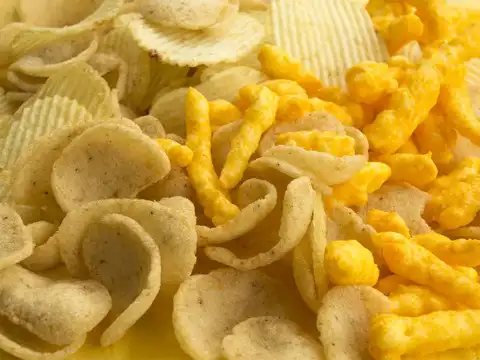
BHA and BHT (Butylated Hydroxyanisole/Toluene)
These synthetic antioxidants are added to prevent fats in snacks, cereals, and gum from spoiling. Both BHA and BHT are classified as possible human carcinogens and may disrupt hormone function. Long-term exposure has raised concerns about liver and kidney toxicity.

7/7
Excess Sodium (Salt)
Packaged and processed foods often contain hidden sodium for taste and preservation. High sodium intake is associated with elevated blood pressure, which increases the risk of heart attacks, strokes, and kidney issues. Even seemingly healthy snacks may contain unsafe levels.