
5 majestic Lord Shiva temples in Uttarakhand
1/6
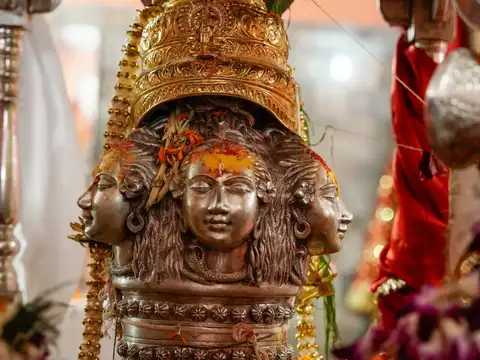
Devbhumi: A Himalayan tapestry of Lord Shiva’s grace
Uttarakhand, fondly known as Devbhumi, the Land of the Gods, is a realm where snow-capped peaks, whispering forests, and ancient temple spires converge in timeless harmony. Among its many sacred treasures, Shiva temples stand pre-eminent, drawing pilgrims and wanderers alike into an embrace of spiritual tranquillity and mythic resonance. From high mountain shrines that reign above the clouds to valley sanctuaries steeped in age-old traditions, these temples embody both the ascetic austerity and cosmic benevolence of Lord Shiva. In this article, we explore five of the most beautiful and spiritually resonant Shiva temples across Uttarakhand. Each site is a journey into Devotion, Nature and History etched into the Himalayan landscape.
2/6
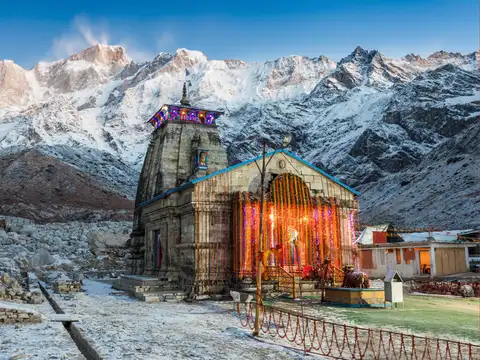
Kedarnath Temple: Jewel of the Himalayas
No compendium of Shiva temples in Uttarakhand would be complete without Kedarnath, one of the twelve Jyotirlingas and a cornerstone of Hindu pilgrimage. Set dramatically at about 3,583 metres amidst the snow-draped Garhwal Himalayan range, Kedarnath is accessible chiefly between May and October, due to extreme winter conditions. Its fierce yet compassionate deity represents Shiva in the Sadashiva form, while the temple’s austere stone architecture and the pristine Mandakini River at its feet lend the site an almost otherworldly presence. Each season, thousands of devotees traverse the mountain trails to stand before Kedarnath’s ancient sanctum, seeking solace, strength and spiritual renewal.
3/6
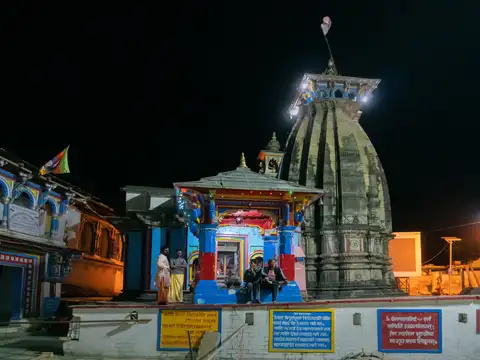
Omkareshwar Temple: Ukhimath
In the historic pilgrimage town of Ukhimath, nestled at an altitude of about 1,300 metres, the Omkareshwar Temple serves as the winter abode of Lord Kedarnath and Lord Madhyamaheshwar. During the snowy months, roughly November through April, the Utsava murtis (festival idols) of these high-Himalayan shrines are brought here for worship, allowing devotees to continue their pilgrimages despite the harsh climate. The temple’s appellation, “Omkareshwar”, honours Shiva in his cosmic sound form (Om), making it a focal point of devotional life in the Garhwal region throughout the year.
Amazon Top Deals
POWERED BY

4/6
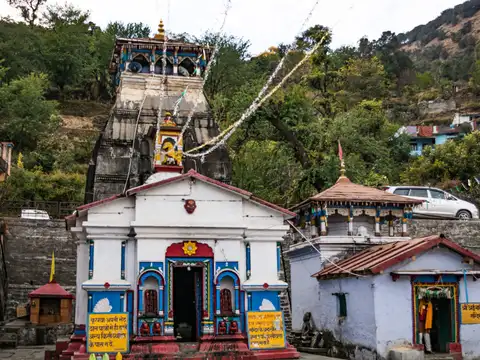
Shri Kashi Vishwanath Temple: Guptkashi
Tucked in the sacred town of Guptkashi in the Rudraprayag district, the Vishwanath Temple is dedicated to Lord Shiva as Vishwanath, the “Lord of the Universe”. Unlike the Kashi Vishwanath complex in Varanasi, Guptkashi’s temple sits amidst serene Himalayan foothills, making its spiritual ambience deeply intimate. Pilgrims on their way to Kedarnath or other hill shrines often stop here to seek blessings before ascending further into the mountains. The temple’s architecture, marked by stone masonry and traditional Himalayan sloping roofs, harmonises beautifully with its panoramic surroundings, while nearby sacred ponds and smaller shrines enhance the contemplative atmosphere.
5/6
Tungnath Temple: The world’s highest Lord Shiva shrine
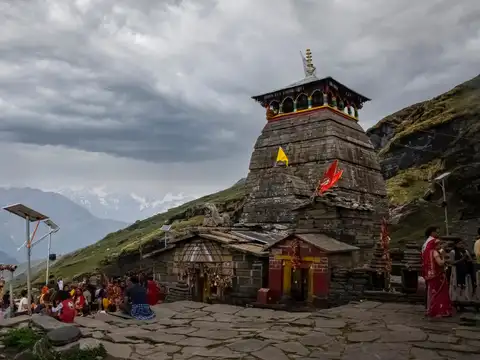
Among Shiva’s Himalayan abodes, the Tungnath Temple stands pre-eminent: perched at about 3,680 metres above sea level, it is reputed to be one of the highest Lord Shiva temples in the world. Part of the sacred Panch Kedar circuit, Tungnath is revered not only for its divine significance but also for the breathtaking views it offers of the Chaukhamba and Nanda Devi peaks. Tradition holds that the Pandavas built or restored this temple in their search for Shiva after the Kurukshetra war, making it a theological link between epic narrative and enduring pilgrimage.
6/6
Neelkanth Mahadev Temple: Near Rishikesh
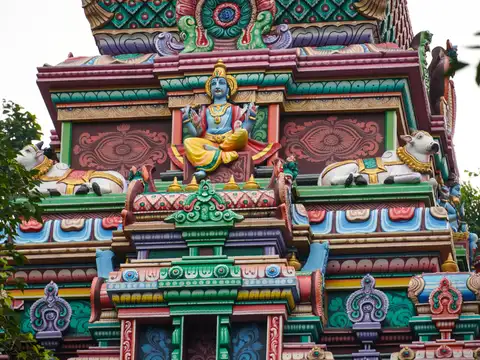
Perched amidst deep forests and river valleys roughly 32 km from Rishikesh, Neelkanth Mahadev Temple honours Shiva’s Neelkanth form, so called after he consumed poison to save the universe, a central episode of the Samudra Manthan. The temple’s striking Dravidian-influenced architecture, dense tree canopy and confluence of clear water streams combine to create a setting of profound serenity. For many devotees, the trek to Neelkanth Mahadev is both a physical pilgrimage and a meditation, echoing the timeless legend of sacrifice and spiritual fortitude.