
5 Indian destinations you should avoid travelling during summer

1/6
Avoid these 5 destinations during peak heat before it becomes unbearable
Planning a summer holiday in India can be exciting, but extreme temperatures in several regions can make travel uncomfortable and even risky during peak summer months (May to June). Many popular tourist destinations experience severe heatwaves, high humidity or dry desert conditions, which can lead to dehydration, heat exhaustion and reduced travel enjoyment. Here are five well-known Indian destinations that travellers often prefer to avoid during peak summer, along with safer alternatives and practical travel advice.
2/6
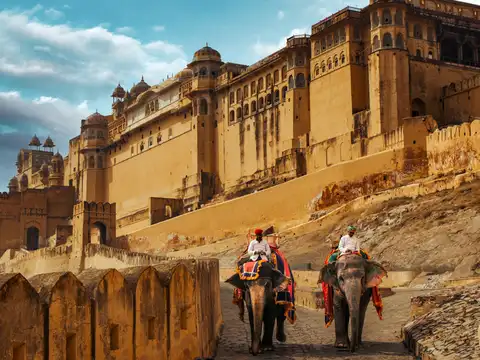
Rajasthan desert cities experience extreme summer heatwaves
Cities such as Jaisalmer, Bikaner and Jodhpur are among India’s hottest summer destinations, where temperatures frequently exceed 45°C. The intense desert climate, combined with hot winds known as “loo”, makes daytime sightseeing extremely difficult. While these destinations are culturally rich and beautiful in winter, peak summer travel is generally discouraged due to heat-related health risks.

3/6
Delhi and northern plains face severe heat and air dryness
The capital region, including New Delhi, often experiences harsh summer conditions with temperatures crossing 44°C along with dry and dusty winds. Travellers may find outdoor attractions uncomfortable during the day, especially in May and June when heatwaves are most intense. Air quality can also worsen during hot spells, making it less ideal for sensitive travellers such as children and the elderly.
Amazon Top Deals
POWERED BY

4/6
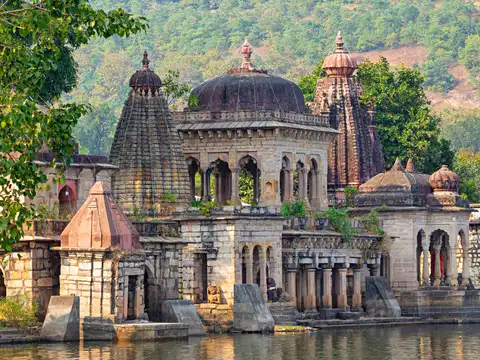
Central India cities can become extremely hot and humid
Cities like Nagpur in central India regularly record some of the highest summer temperatures in the country. The combination of dry heat and humidity can make outdoor movement exhausting. Although Nagpur is an important commercial and transit hub, summer tourism is often avoided unless absolutely necessary due to extreme thermal conditions.
5/6
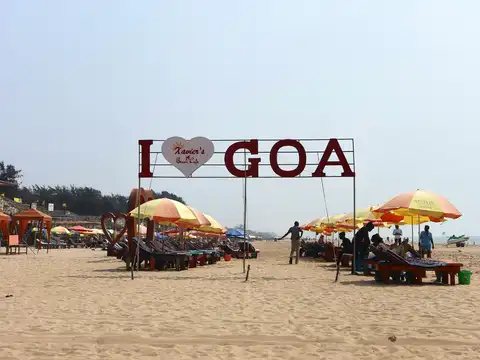
Coastal regions like Goa face high humidity and uncomfortable heat
While Goa is a popular beach destination, peak summer months can bring excessive humidity along with high temperatures. This combination often leads to discomfort during daytime beach activities. Many hotels operate at lower tourist occupancy during this period, as the ideal season for visiting Goa is generally between November and February when the weather is cooler and more pleasant.
6/6
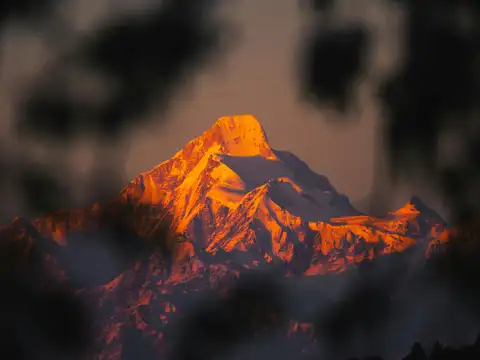
Himalayan destinations become risky due to crowds and unpredictable weather
Hill stations such as Manali attract heavy tourist crowds during summer, which can lead to congestion, traffic delays and limited accommodation availability. In addition, sudden weather changes, landslides in surrounding areas and over-tourism can affect travel safety. Although the Himalayas offer cooler temperatures, planning carefully is essential to avoid overcrowded peak-season conditions.