
5 beautiful animals of Uttarakhand's Corbett National Park
1/6
Wildlife wonders
Nestled in the foothills of the Himalayas in Uttarakhand, Jim Corbett National Park is India’s oldest national park and one of the country’s most celebrated wildlife destinations. Established in 1936, the park is known for its rich biodiversity, dense forests, riverine belts and grasslands. It is particularly famous for its role in protecting endangered species. Here are five beautiful animals you may encounter in Corbett National Park.
2/6
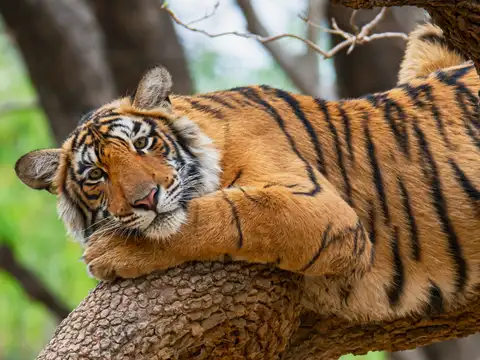
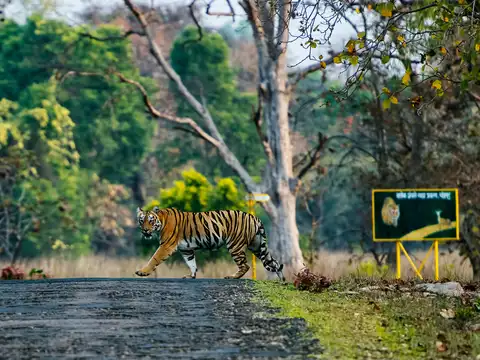
Tiger
The most iconic resident of Corbett is the Bengal tiger. This majestic big cat is the largest tiger subspecies in the world. Corbett has one of the highest densities of Bengal tigers in India, thanks to strong conservation efforts under Project Tiger. With its striking orange coat and black stripes, the tiger is both powerful and graceful. Although sightings are never guaranteed, spotting one in the wild is an unforgettable experience.
3/6
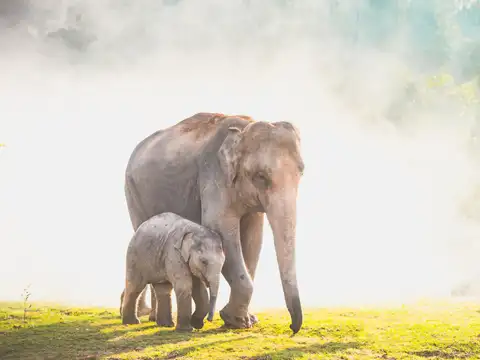
Asian elephant
Another remarkable animal found in Corbett is the Asian elephant. The park supports a healthy population of these gentle giants. Elephants are often seen in herds, especially near water bodies such as the Ramganga River. They play a crucial role in maintaining the forest ecosystem by dispersing seeds and creating clearings in dense vegetation. Watching a herd move silently through the forest is a truly impressive sight.
Amazon Top Deals
POWERED BY

Crompton Ozone 75 Litres Desert Air Cooler for home | Large & Easy Clean Ice Chamber | 4-Way Air Deflection | High Density Honeycomb Pads | Everlast Pump | Auto Fill| 3 Year Brand Warranty
₹9,798Buy Now43%
OFF

LG 32 L Convection Microwave Oven (MC3286BRUM, Black, 360° Motorised Rotisserie for Bar-be-queing, 301 Auto Cook Menu, Stainless steel cavity, Indian Cuisine, Tandoor Se, Steam Clean & Diet Fry)
₹19,340Buy Now19%
OFF
4/6
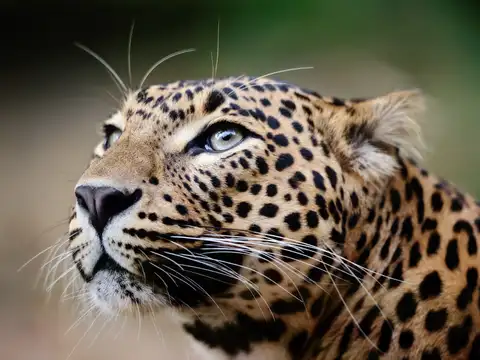
Leopard
The Leopard is another beautiful yet elusive predator of Corbett. Leopards are smaller than tigers but are highly adaptable and skilled climbers. They prefer hilly and forested areas and are usually active during dawn and dusk. Their golden coat with dark rosettes makes them one of the most elegant big cats in the wild.
5/6
Spotted deer
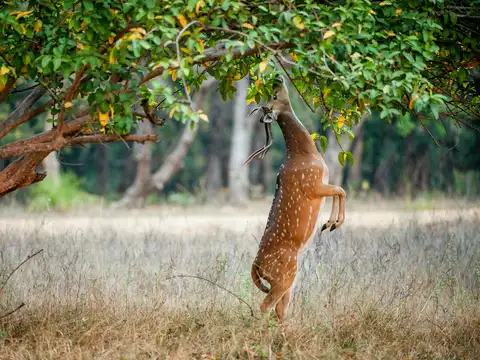
Among the herbivores, the Spotted deer, also known as chital, is commonly seen in open grasslands and forest clearings. Recognisable by its reddish-brown coat covered in white spots, the spotted deer often moves in large groups. They are an important prey species for predators such as tigers and leopards, making them vital to the park’s food chain.
6/6
Gharial
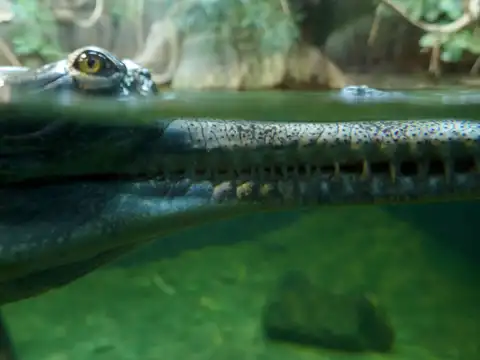
The Gharial adds to the park’s unique wildlife. This critically endangered crocodilian species is found in the Ramganga River that flows through Corbett. The gharial is easily identified by its long, narrow snout, which is specially adapted for catching fish. Conservation programmes have helped protect this rare reptile within the park’s boundaries.
READ MORE:
Jim Corbett National Park wildlife |animals of Corbett National Park |Bengal tiger in Corbett |Asian elephant in Uttarakhand |leopard in Jim Corbett National Park |spotted deer in Corbett |gharial in Ramganga River |best wildlife safari in Corbett |Corbett National Park animals list |wildlife tourism in Uttarakhand